Over the past two years, due to the Covid-19 pandemic, tourism has been one of the economic sectors hardest hit by governments closing borders, imposing travel restrictions, and strict lockdowns. However, in Vietnam, the Ministry of Culture, Sports and Tourism issued Decision No. 2292/QD-BVHTTDL dated August 13, 2021 on promulgating the Action Program for tourism development in the 2021-2025 period, setting out the radical solution to restore the tourism industry after the pandemic is pushed bac...
Over the past two years, due to the Covid-19 pandemic, tourism has been one of the economic sectors hardest hit by governments closing borders, imposing travel restrictions, and strict lockdowns. However, in Vietnam, the Ministry of Culture, Sports and Tourism issued Decision No. 2292/QD-BVHTTDL dated August 13, 2021 on promulgating the Action Program for tourism development in the 2021-2025 period, setting out the radical solution to restore the tourism industry after the pandemic is pushed bac...
 |
| Photo: Xuan Quan flower village (Van Giang district) |
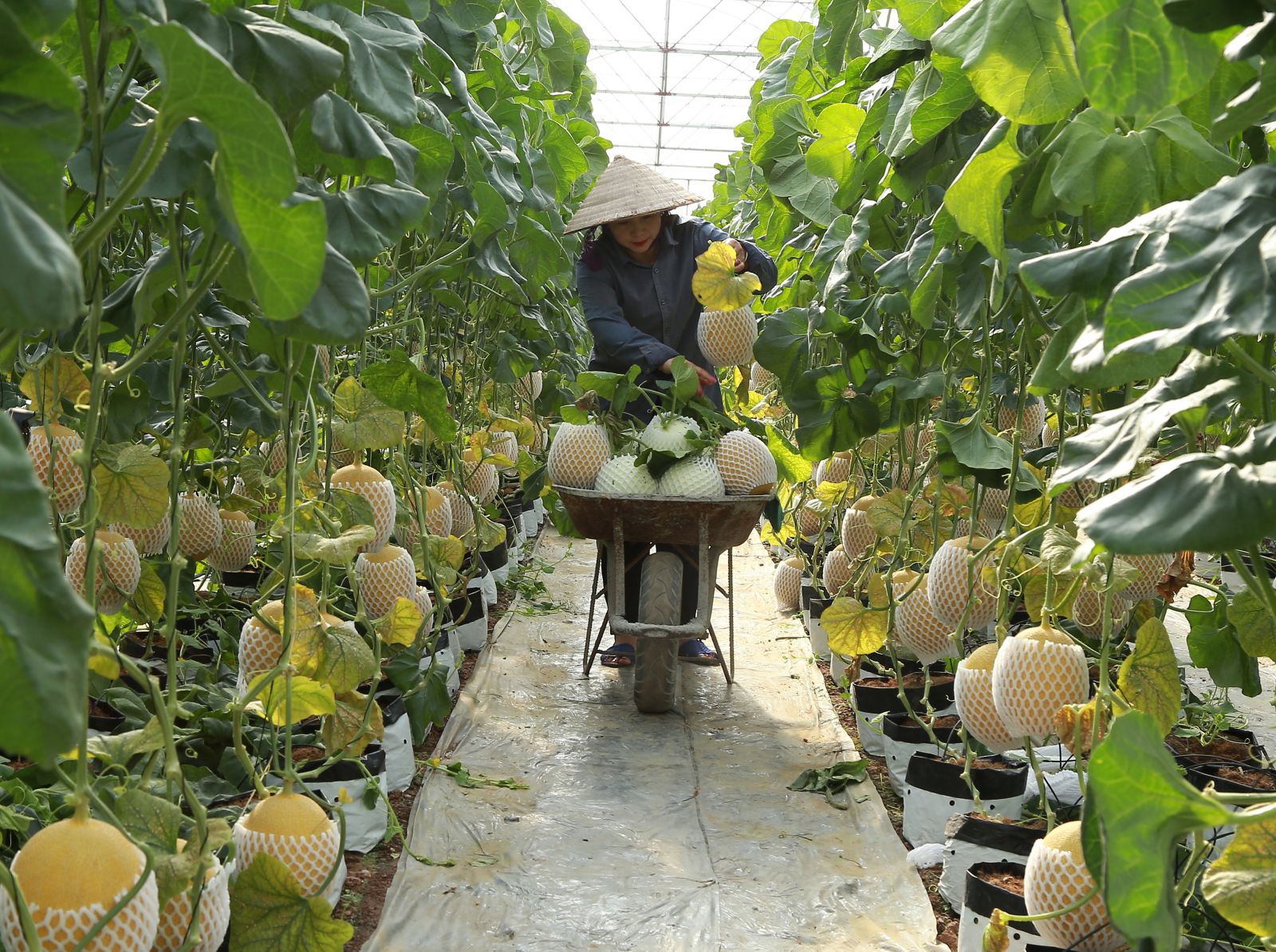
Hung Yen province is home to many agricultural specialties that are attractive to tourists such as Dong Tao chicken, longan. Especially, a number of famous flower and bonsai villages in Hung Yen province have appeared recently. According to Decision No.1987/QD-UBND dated August 27, 2020 issued the Provincial People's Committee, with the orientation to 2025, the flower growing area of the whole province is 1,500 hectares and the area for ornamental plants is 1,000 hectares.
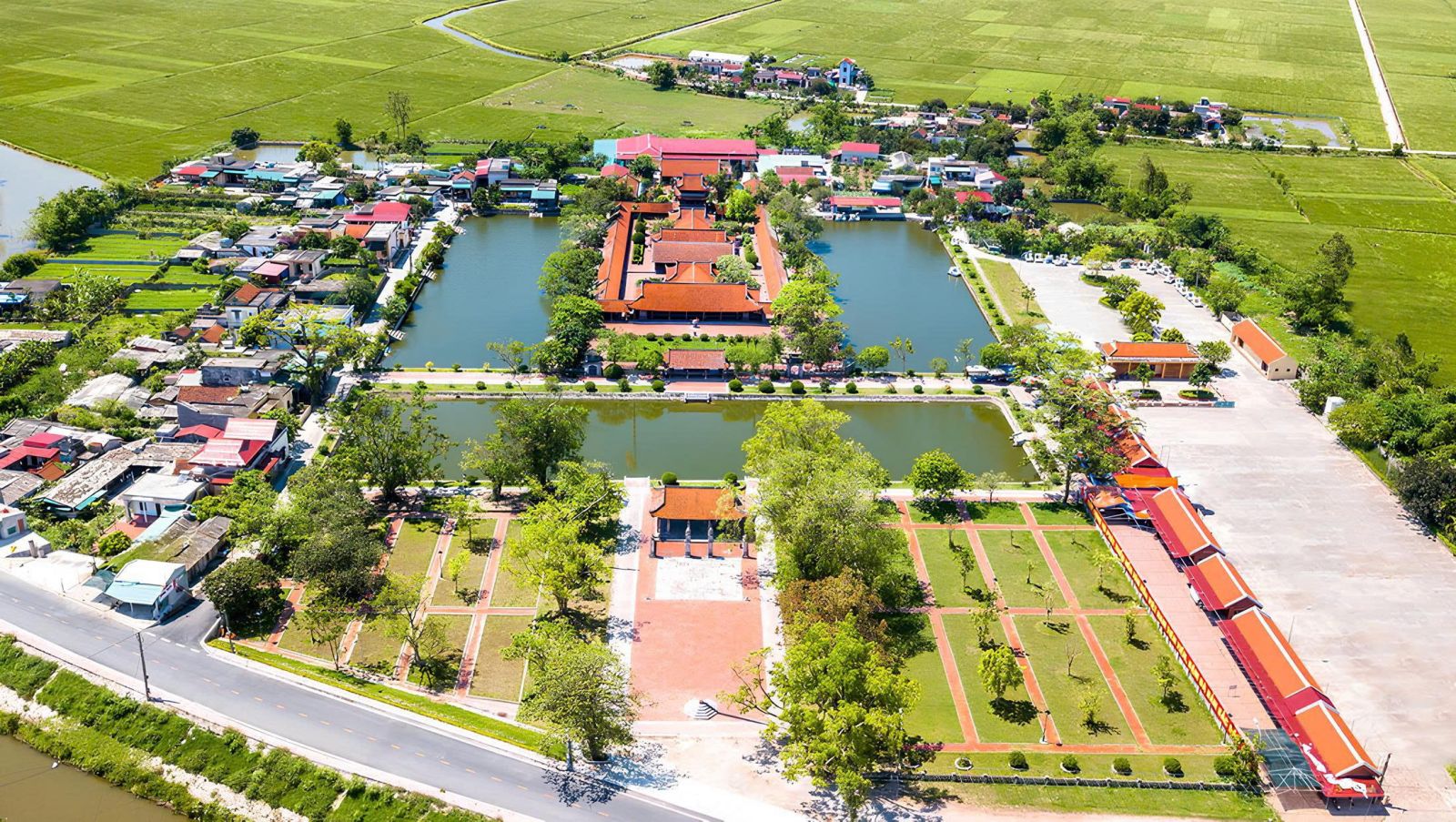
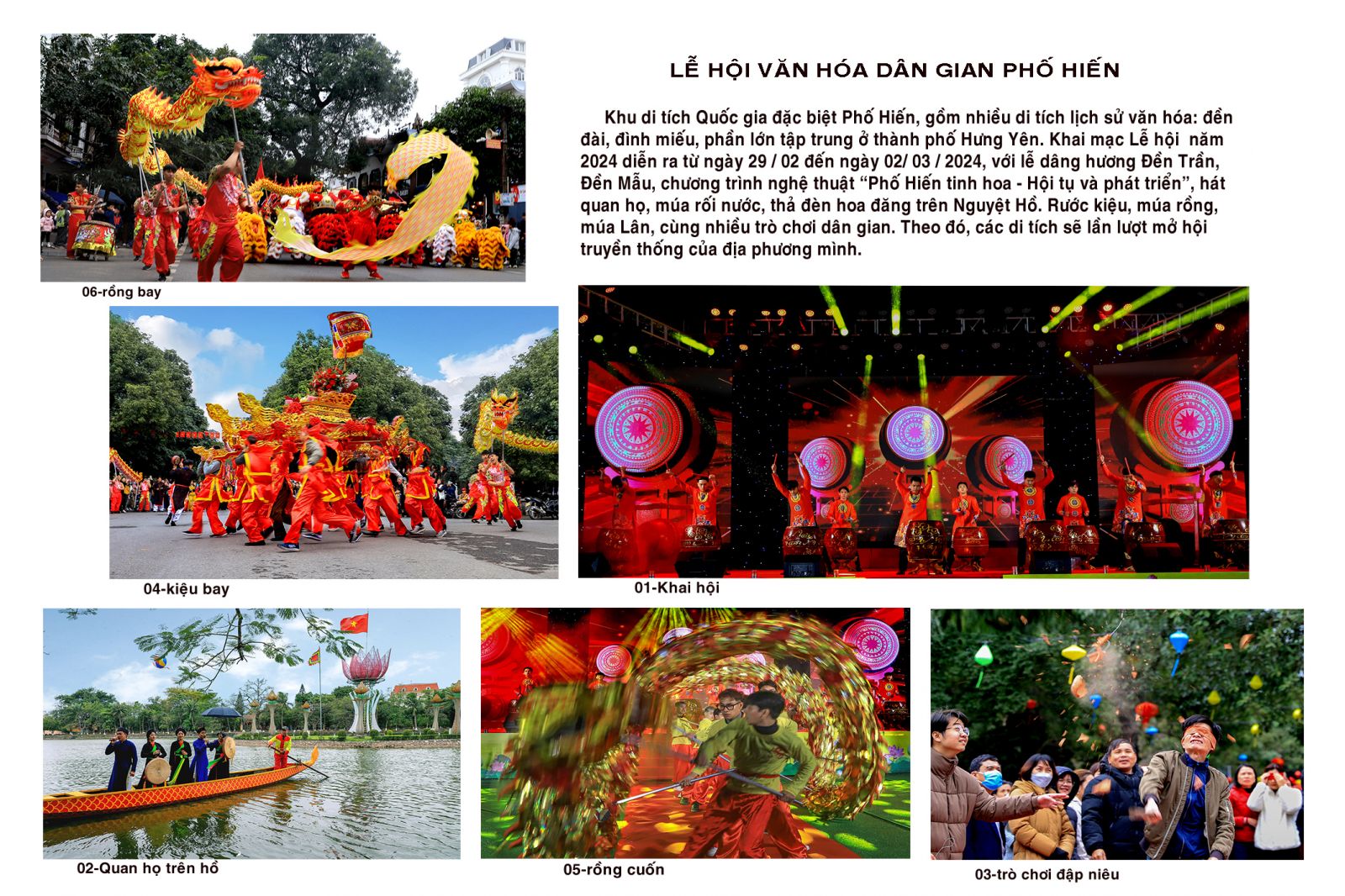
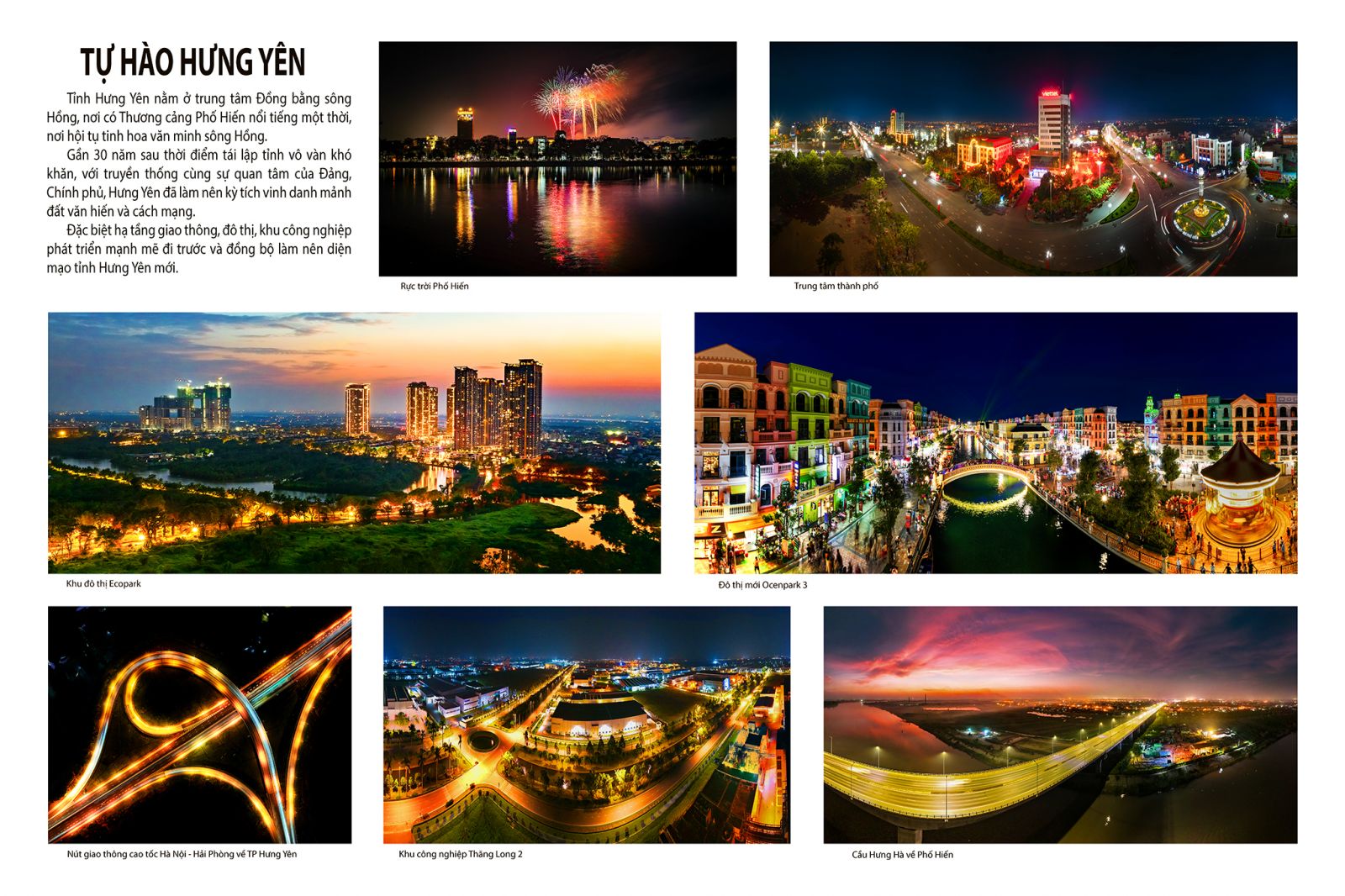
In addition, Hung Yen province is famous forvarious famous historical sites, including 172 relics ranked nationally, and thousands of valuable ancient documents and artifacts. The Red River and Luoc River areas have an array of long-standing historical, cultural and spiritual relics such as Pho Hien relic complex, Da Hoa - Da Trach tourism area, Chu Dong Tu - Tien Dung festival, Mau temple, Banyan tree and La Tien temple, Tong Tran - Cuc Hoa temple. In addition, there are intangible assets with over 400 festivals, rituals, customs, poems and Han Nom heritages. This system of heritages is the important proof of nature, history and people of Hung Yen in the past and in the now, the typical characteristics and beliefs of Hung Yen province in particular and Red River Delta in general
In addition, Hung Yen province has a system of traditional handicraft villages associated with the long-standing cultural traditions of residents in the Red River Delta such as food processing villages, flower and ornamental plant growing villages, bamboo and rattan craft villages, silver carving village, carpentry village... These are favorable conditions for the development of humanistic tourism in combination with historical tourism, eco-tourism, landscape tourism, craft village tourism and folk cultural activities along with local products such as Dong Tao chicken, longan, ornamental flowers...
Through the process of formation and development, craft villages across the country have been playing an important role in rural areas such as creating jobs, increasing incomes, contributing to the transformation and restructuring of the agricultural sector. In addition, craft villages are also considered as cultural heritages and developing craft villages is to preserve national cultural identity in the process of international economic integration.
 |
| Photo: Fish pot weaving in Thu Sy commune (Tien Lu district). Photo: Le Hao |
The planning and construction of the tourism landscape of craft villages to develop tourism products for flower and ornamental plant villages associated with tourismregions, spots and routes of the province has been determined in Decision No. 380/QD-UBND January 26, 2018 of the Provincial People's Committee. Accordingly, the goal by 2025 is the flower and ornamental plant village receiving about 0.2-0.4 million tourists (out of a total of 1.3 million tourists in the province).
According to statistics, Hung Yen is one of the provinces with the largest business in the production and trading of ornamental plants in the country. However, by 2016, the province did not set up the craft villages to production and trade of ornamental plants. Up to now, there are 7 recognized flower and bonsai villages in the province, concentrated in Van Giang district with 5 villages and Khoai Chau district with 2 craft villages.
The branding of flower and ornamental plant products has been implemented by localities and craft villages. Up to now, there are 3 flower and bonsai villages recognized collective marks, including: Flower and bonsai village in Xuan Quan commune, Phung Cong flower and bonsai village; Kumquat village in Thang Loi commune (Van Giang district) and many other craft villages are in the process to make plans and inquire about guidance and support of branding.
 |
| Photo: Production in flower and ornamental plant village (Me So commune) |
Trade promotion to introduce productsvia media, social networks Facebook, Zalo has been paid attention to by a number of localities and craft villages that actively participate in fairs and exhibitions to seek and expand consumption markets such as: Organizing Xuan Quan Flower Festival in 2017 and 2020; setting up flower and bonsai agents of gardeners in Hanoi; promoting Hung Yen tourism (including flower and bonsai villages) on the pedestrian street in Hanoi.
Along with the potentials and advantages, Hung Yen province also faces obstacles and challenges in tourism development, especially for agricultural tourism products such as: Firstly, the geographical location of Hung Yen provinceis adjacent to Hanoi capital, which is both an advantage but also a challenge. Hanoi market is a fastidious market with high quality requirements. Tourism products of provincial flower and bonsai villages will have to compete fiercely with similar ones of Hanoi capital and some provinces in the region.Secondly, the flower and bonsai villages have hardly paid attention to building the landscape of craft villages associated with tourism. Thirdly, policies to connect product development of craft villages with tourism development are not strong enough to exploit the inherent advantages of tourism of flower and bonsai villages. Fourthly, many localities no longer have suitable land fund to develop concentrated flowers and ornamental plant area due to land reserve for construction of new urban areas, industrial zones and clusters, infrastructure development according to the planning approved by the competent authority
In the orientation of Vietnam tourism development strategy, ecotourism associated with agriculture and rural areas is identified as one of the five main product lines. According to Decision No. 933/QD-TTg dated June 14, 2021 of the Prime Minister approving the task of making tourism system planning for the period 2021 - 2030, with a vision to 2045, sustainable tourism development towards green growth, ensuring harmony between tourism development with conservation and promotion of natural resources, especially cultural resources to build tourism products imbued with national identity, solve social problems, protect the environment, adapt to climate change and ensure national defense and security.
 |
| Photo: Ban soy sauce (My Hao town). Photo: Duong Tang |
To Hung Yen, Decision No. 380/QD-UBND dated January 26, 2018 of the Provincial People's Committee stated: By 2025, Hung Yen tourism strives to become an economic sector with an important position, creating a favorable premise for development, making Hung Yen anattractive destination for tourists, havingcompetition ability and becoming one of the localities ranking at the fairly average level of tourism.
Hung Yen province has potential strengths to develop green tourism, agro-ecological tourism, especially tourism of the flower and ornamental plant villages, which will be an attractive tourism product and will thrive in the future. Today, when the income and living standards of people in all parts of the world in general and Vietnam in particular are increasing, and people's intellectual level is getting higher and higher, the need to enjoy, experience and learn about history is also growing. That is one of the driving forces for tourism development. In order to satisfy those needs, a new tourism product has been born and developed in Vietnam, namely tourism programs ofcraft villages in general, flower and bonsai village tourism in particular..
Enjoying tourism in flower and bonsai villages has affirmed an important position in tourism products in each locality. These craft villages are like an image full of identity, affirming their distinctive, unique and irreplaceable features. They are vivid ways to introduce traditions, culture, products, specialties and people of each region, and locality. Developing tourism in flower and ornamental plant villages is a right and appropriate direction, prioritized by many localities in tourism promotion and development policies. The great benefits of developing craft village tourism are not only reflected in the economic profit growth figures, in creating more jobs for local workers and but also as a way of preserving cultural values of the nation. They are long-term benefits that are difficult to quantify economically. Besides, tourism of flower and ornamental plant villagescarries profound philosophical and humanistic values. Flower tourism not only aims at the unique natural value of flowers and ornamental plants, but also in a broad sense as thematic flower parks, flower villages and traditional ornamental plant villages that are typical in each localities over the province.
Nguồn trích dẫn: baohungyen.vn
.jpg)
.jpg)
.jpg)