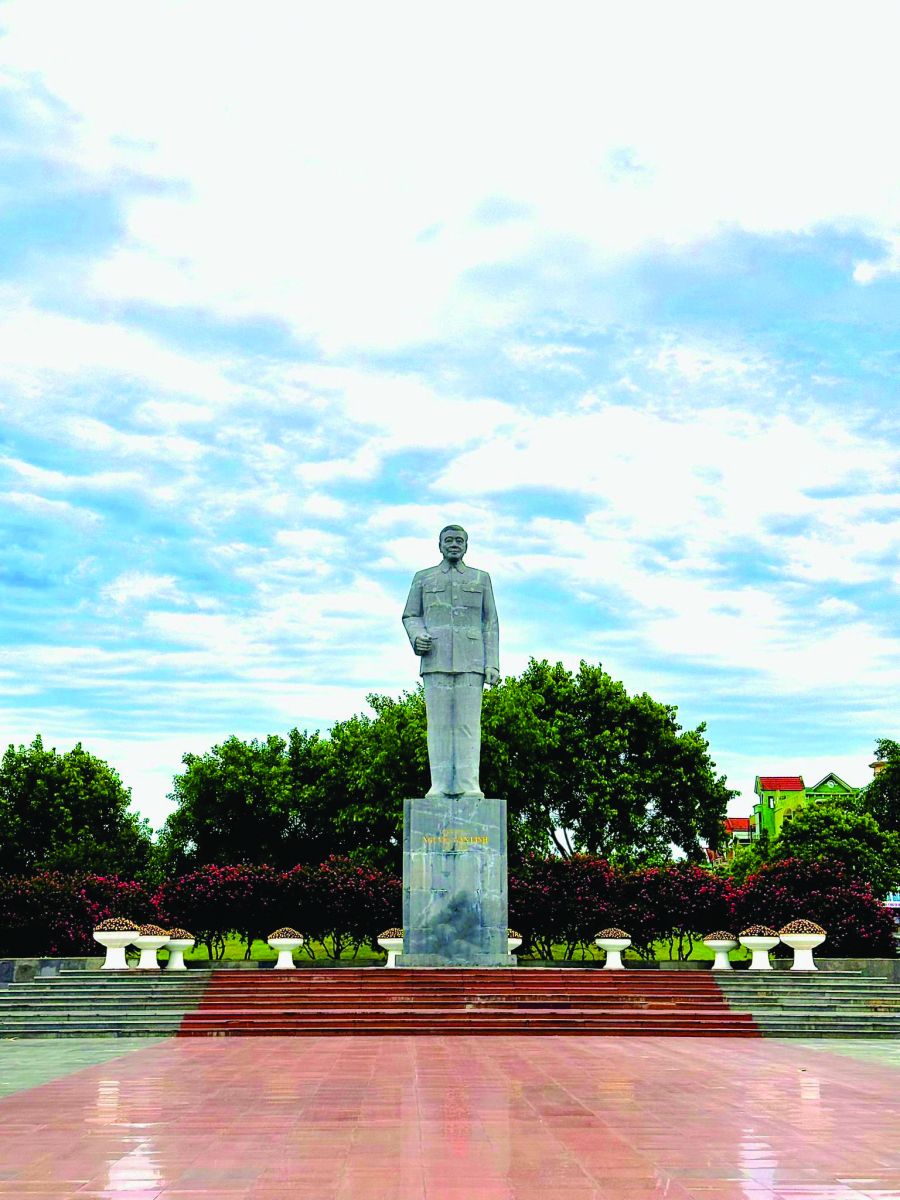
Amid today's pace of renewal, A Sao Commune still preserves historical and cultural values nurtured over many generations. Ancient communal houses, sacred temples and sites marking important historical events have helped preserve the community's memory and forge the patriotism and determination to rise of the local people.
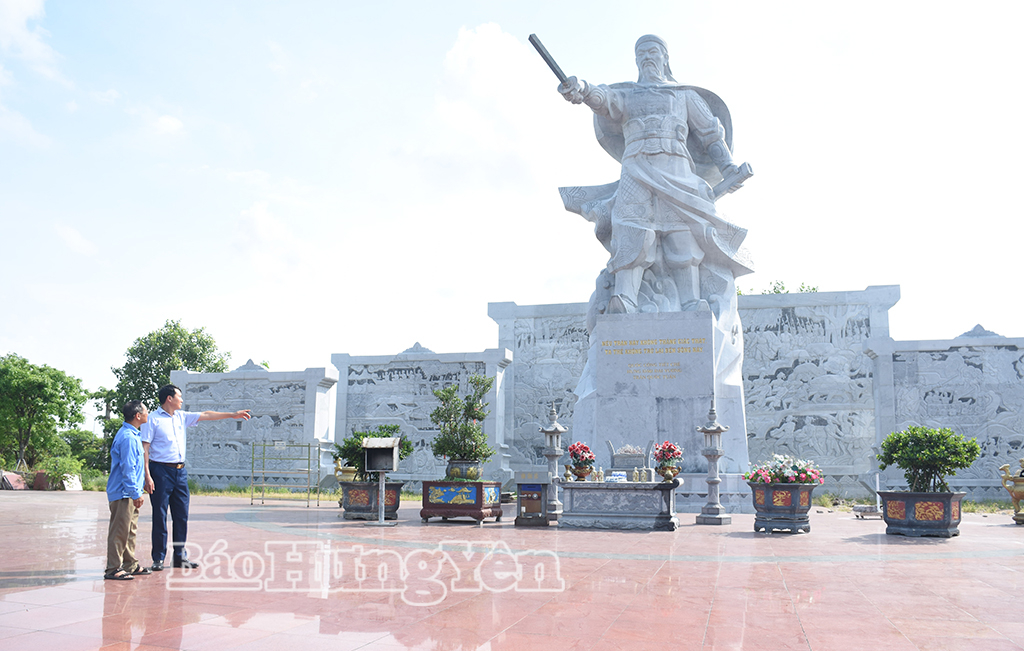 A Sao Elephant Wharf, a site associated with the name of Supreme Commander Hung Dao Dai Vuong (Grand Prince Hung Dao) Tran Quoc Tuan
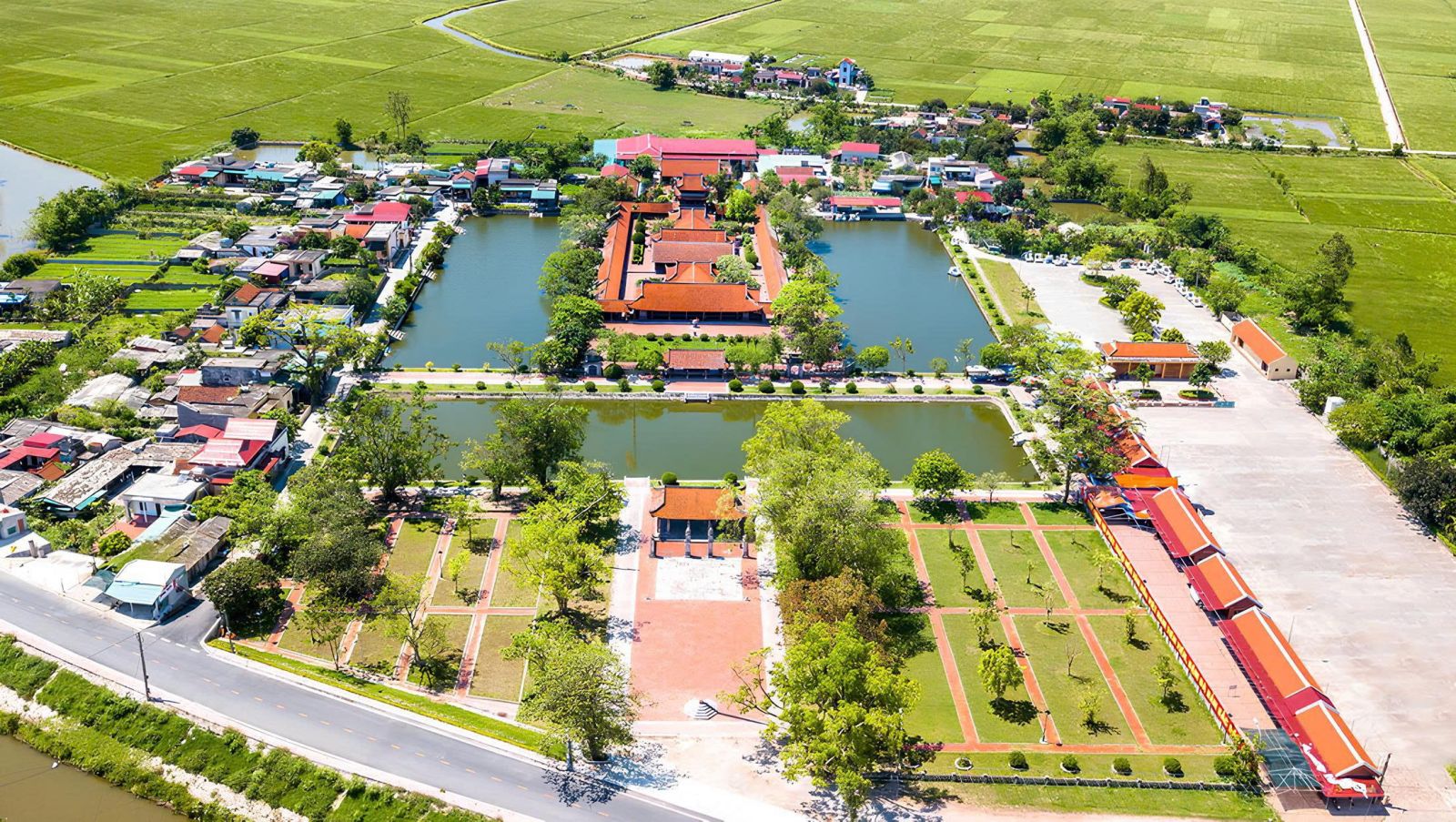
A Sao Commune is known as a land with a long history and rich culture, home to many relics of architectural and artistic value. Each relic is associated with a story, a figure or a period in the development of the homeland, contributing to the distinctive identity of this land. A typical example is the A Sao Communal House – Temple – Elephant Wharf complex, a national historical and cultural relic associated with events involving the national hero Supreme Commander Hung Dao Dai Vuong Tran Quoc Tuan. According to historical records, when the Tran Dynasty waged the first resistance war against the Yuan-Mongol invaders, Tran Quoc Tuan, who was just 18 years old, was granted the title of Thuong Vi Hau (Marquis Thuong Vi) and assigned by the royal court to guard A Sao. Before the second resistance war, the Tran King personally came with Tran Quoc Tuan to direct the building of the area along the Hoa River, and A Sao became hallowed ground in the naval battle formation against the Yuan-Mongol invaders in the northern coastal region. During the third resistance war against the Yuan-Mongols, A Sao was chosen as the site of Tran Hung Dao's general headquarters.
A Sao is also home to Long Khe Temple, which worships the National Preceptor of the Ly Dynasty, Duong Khong Lo, who made great contributions to helping local people reclaim land, control floods and build a prosperous, peaceful life. The temple also worships Grand Commandant Ly Thuong Kiet, with Hung Dao Dai Vuong Tran Quoc Tuan venerated alongside. Under the Ly Dynasty, several areas of present-day A Sao were renowned for their beauty in the region. Historical records once noted: "Phu Phuong (i.e. Phu Duc) has four ancient scenic spots: Dao Dong, Long Khe, To De and A Sao." Today, A Sao still has many other famous historical and cultural relics, such as Hiep Luc Communal House, a national historical and cultural relic, and Vuoc Communal House, an architectural and artistic relic.
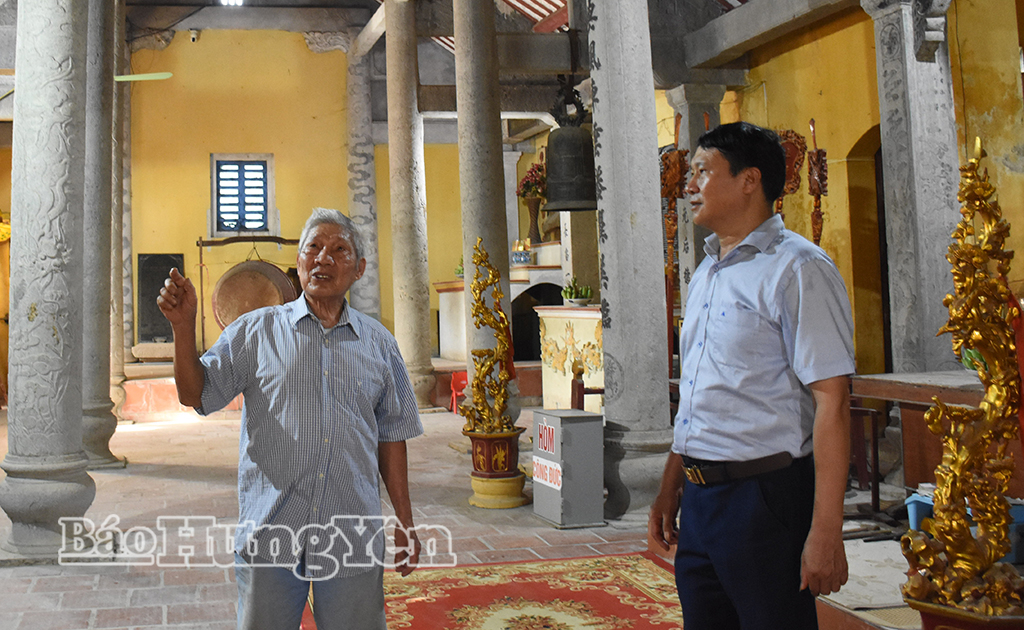
Vuoc Communal House, an architectural and artistic relic in A Sao Commune
Nguyen Dat Vinh of Nguyen Xa Village, A Sao Commune, confided: "Born and raised in a land rich in historical and cultural tradition, each of us always carries a deep sense of pride. Every communal house roof, banyan tree, water well or village road seems to hold its own story and imprint. These values make us understand that we are living in a land that has not only familiar scenery but also a cultural and historical depth worthy of respect."
Nguyen Duc Tien, Head of the Culture and Social Affairs Division of A Sao Commune, said that the commune currently has 52 relics included in the inventory list. Of these, 16 relics have been ranked, including three national-level and 13 provincial-level historical and cultural relics. In addition, two festivals have been recognized as national intangible cultural heritage. The historical and cultural relics not only reflect the architectural and artistic skills of our ancestors but also vividly demonstrate the tradition of solidarity, patriotism and indomitable spirit of previous generations.
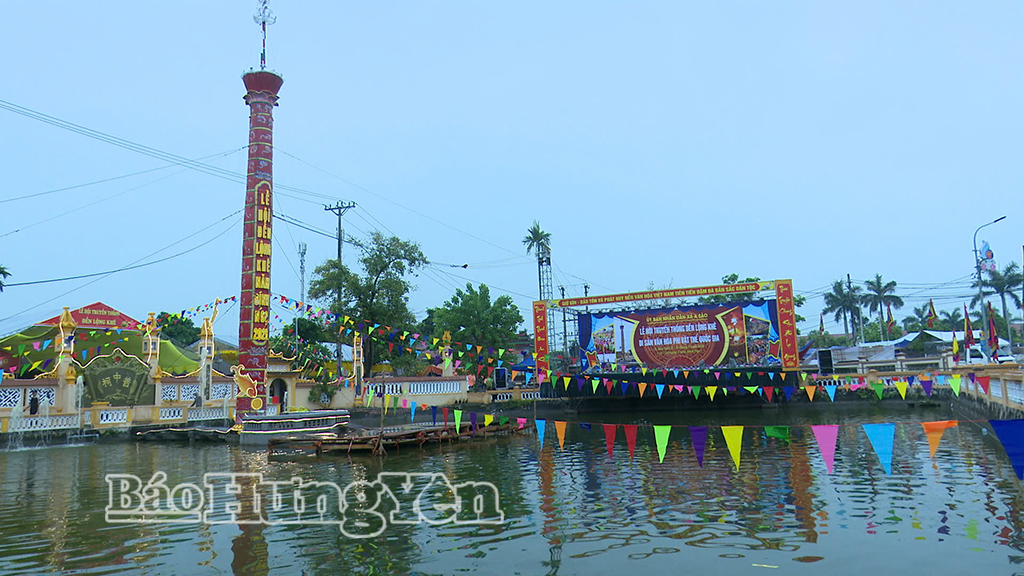
The traditional festival of Long Khe Temple, A Sao Commune.
Over the past time, the Party committee and authorities of A Sao Commune have identified the preservation and promotion of heritage values as an important task in socio-economic development. Nguyen Van Do, Vice Chairman of the A Sao Commune People's Committee, said that the locality regularly reviews and assesses the condition of relics and has developed management and protection regulations to keep the inherent values of each structure intact. A Sao Commune places special emphasis on promoting the values of relics through traditional education activities, cultural festivals, community activities, and sightseeing and experiential programs for students, Youth Union members and young people. Mass organizations have actively coordinated to encourage people to take part in protecting relics, preserving the landscape and environment, and building a civilized lifestyle at relic sites and festivals.
Promoting the values of cultural heritage goes beyond preservation to also include rational exploitation to serve socio-economic development. A Sao Commune is gradually tapping the potential of its cultural heritage in association with tourism development, so that cultural heritage is not only a spiritual asset but also gradually becomes an economic resource, contributing positively to the building of the homeland.
Nguồn trích dẫn: baohungyen.vn
.jpg)
.jpg)
.jpg)