Pho Hien- the ancient city renowned for the folk saying: "Thứ nhất kinh kỳ, thứ nhì Phố Hiến" (the most bustling place is the capital city, the second one is Pho Hien town). This is used to be a big port and a prosperous center ofinternational trade exchange during 16th century and 17th century....
Pho Hien- the ancient city renowned for the folk saying: "Thứ nhất kinh kỳ, thứ nhì Phố Hiến" (the most bustling place is the capital city, the second one is Pho Hien town). This is used to be a big port and a prosperous center ofinternational trade exchange during 16th century and 17th century....
Historical documents record that since the 13rd century, Chinese people evacuated here and established Hoa Duong village together the natives. People thronged and then, markets and trading ports appeared. Chinese people and Japanese people were present at the early stage. However, the tracks of the latter were less clear while Chinese people were identified as the indispensable part of this place. Their culture was found in various existing relics and in spiritual and cultural practices. In addition, disorder and tangle in China caused the en mass immigration to the South. They went by boats and the majority of them stayed. Chinese people became dominant here, produced handicraft products and worked as brokers for foreign traders.
Initially, Pho Hien was just a residential area where the trading activities between the local residents and the neighborhood occurred. Until the 15th and 16th century, agriculture and the cottage industry thrived and brought about trading activities through the market network. This was the precursor of the developed foreign trade in this place. With the advantage of the major transportation on the Red river axis and being an outport leading to the sea, until the 16th century, Pho Hien emerged as a bustling urban area and trading port.
Thanks to the reasonable policies of the dynasty, the stimulation role of the foreign trade and the majority of foreign traders, especially, the development of a section of economic goods in the area, Pho Hien reached the top notch prosperity of an urban area in the 17th century. Traders from China, Japan, Cambodia, Malaysia, Portugal, Netherlands, France...gravitated to Vietnamese sea shore. Meanwhile, Le and Trinh dynasty imposed a ban on free entrance of foreigners into the capital city; thus, Pho Hien became an accommodation of foreign traders. In this period, two large commercial centers were formed namely Pho Hien and Hoi An.
Pho Hien not only had over 2,000 households, prosperous scenes and 20 wards but also had a number of Chinese streets and stores of Chinese traders. The exported merchandise originated from Pho hien and the neighborhood was silk, pottery, cinnamon,…The imported goods was mainly gold, silver, jewelry and gun powder provided for kings. In the yard of Hien pagoda, there is a stone board praising Pho Hien as the little Trang An where four directions converge. In the following century, due to the natural change in Red river's flow, there was no longer the river port in Pho Hien. A golden age passed. Pho Hien marked the opening of trade with the foreign market which triggered the domestic economy development in two centuries.
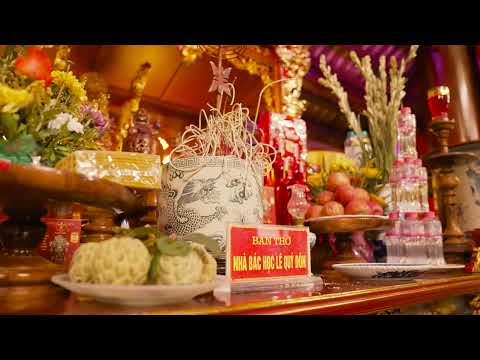
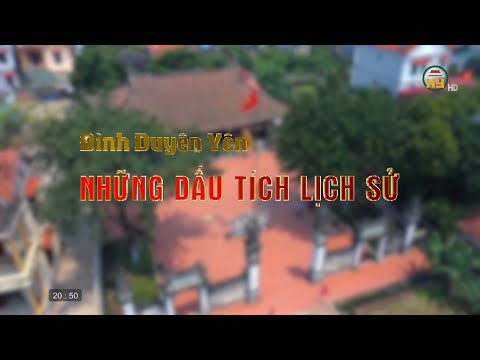
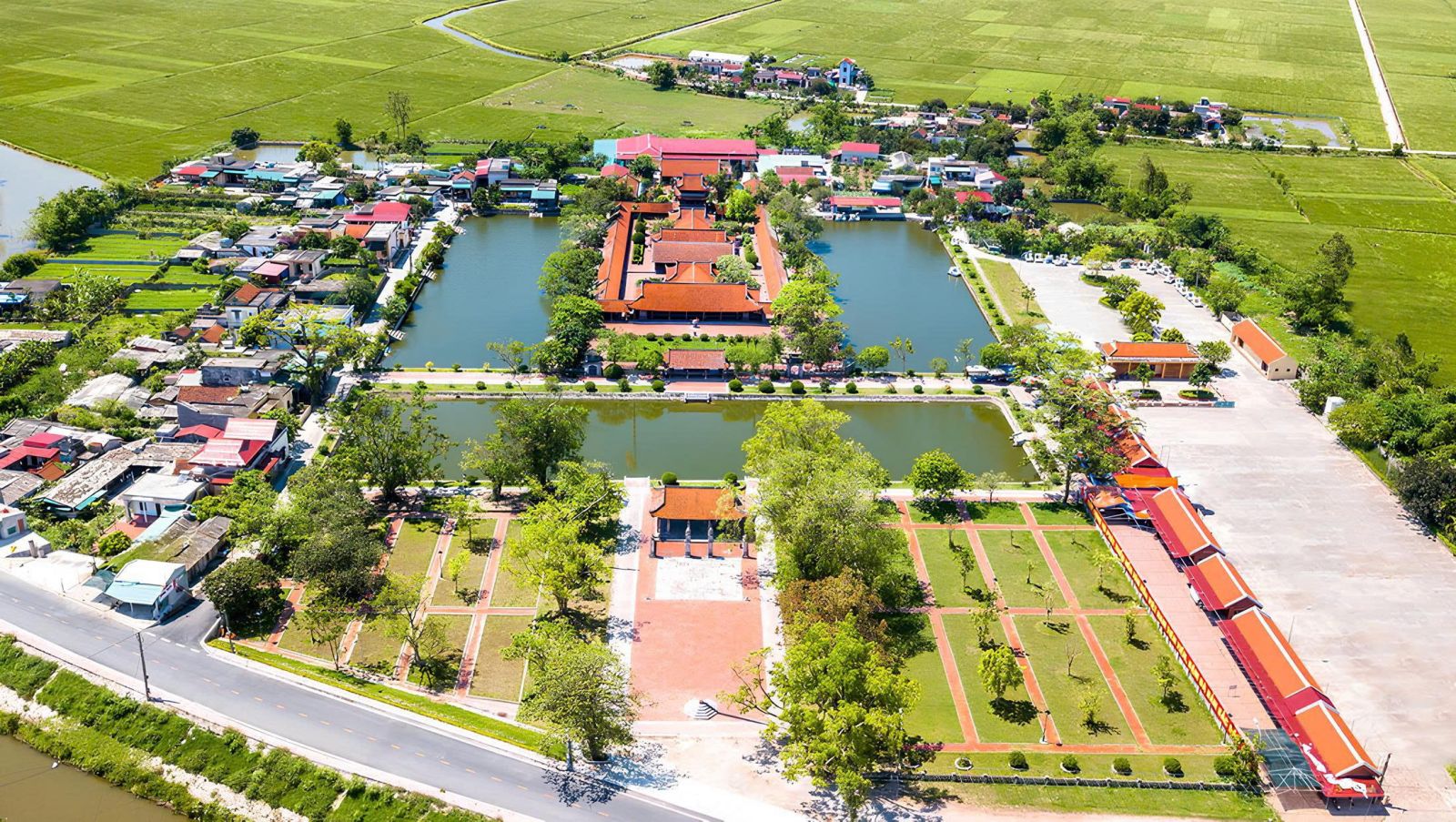
Through various vicissitudes, the bustling trading port disappeared and left this area with an ancient Pho Hien relic cluster and poetic Nguyet Ho (a lake) which were the proof of a prosperous and golden age. Pho hien now still retains over 100 historic relic sites, in whichmany are ranked as the national cultural historical relics. There are 16 typical relics in the national special Pho hien relic area such as May temple, Xich Dang literature temple, Kim Dang temple, Tran temple, Mau temple, Thien Hau temple.
Relics are the convergence of native Vietnamese architecture and Chinese essence. The relic clusters depict the appearance of an ancient Pho Hien trading port and illustrated many intangible values and tangible values of a region where varied residential communities settled. Pho Hien was approved the planning of preservation, renovation and promotion of an ancient urban area attached with tourism by the Prime Minister in the Decision ref 744/QĐ-TTg dated 27/5/2010. The PM also issued the Decision ref 2408/QĐ-TTg ranking Pho hien relic site as the special national relic.
Spiritual culture is an invisible bridge connecting the presence and the past. Come to Hung Yen to contemplate and enjoy longan and dried longan lotus dessert absorbed the taste of sky and land. Hung Yen people with the friendly and honest smile always warmly welcome the tourists.
Nguồn trích dẫn: hungyentourism.com.vn
.jpg)
.jpg)
.jpg)