Ca Tru is a traditional art form of the Northern Vietnam, appearing and increasingly getting popular since the 15th century (Le Dynasty) after Dinh Le invented "dan Day"(a musical instrument). In the early twentieth century, ca tru became more popular in cultural life in Vietnam. Through a long process of development, Ca Tru has increasingly penetrated into most aspects of life and affirmed its independent and unique status in the general picture of Vietnamese national culture....
Ca Tru is a traditional art form of the Northern Vietnam, appearing and increasingly getting popular since the 15th century (Le Dynasty) after Dinh Le invented "dan Day"(a musical instrument). In the early twentieth century, ca tru became more popular in cultural life in Vietnam. Through a long process of development, Ca Tru has increasingly penetrated into most aspects of life and affirmed its independent and unique status in the general picture of Vietnamese national culture....
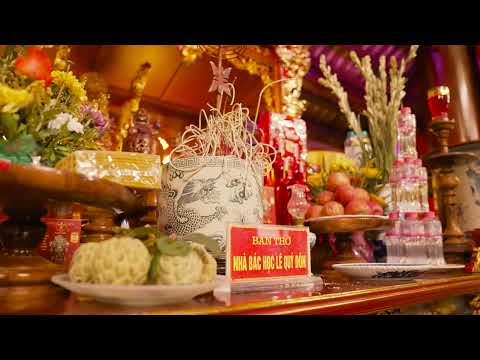
Ca Tru singing takes place in cultural spaces such as village communal houses, god temples, craft ancestral worshiping house, mansions and auditoriums. Ca Tru is derived from folk songs mixed with a number of folk performances and dances. Ca Truwas originally a general art including music, poetry, dance and performance. The unique feature of Ca Tru is the smooth and flexible combination between poetry and music, and even dancing sometimes. Depends on each area and different performance space, Ca Tru is also called "a dao" and other diverse names. Ca tru performance deploy numerous literature kinds; of which, the most popular one is hat noi. Hat noi appeared soon; however, not until the 19th century, were there famous works of Nguyen Cong Tru, Cao Ba Quat. The origin of hat noi in Vietnamese literature is explained by reasons and events. Before hat noi appeared, Vietnam saw other forms of hat xoan, hat cua den, cua chua. Previously, Vietnamese literature was restraint in Mencio us's ideology, the demanding rules and limited illustration. In the end of the 18th century, due to the chaotic situation in the society, Zhuang Zhou's ideology has the chance to get dominant. Then, hat noi was the creativity of generous Confucian scholars to pass on their ideology and emotions beyond the norms with open expressions. Song that luc bat is the variant of literally "double seven, six eight". The book writer said that Hat noi is the transformation of Song that luc bat. However, during its development process, Hat noi is the mixture of various art forms. Ca tru uses three typical musical instruments namely đàn Đáy, Phách và Trống Chầu. This is a kind of opera, grown on the base of the Northern fork music. One singing session includes three main participants: one main vocalist called "dao" or " "ca nuong" using claves to make the beat; a male musician called "kep" playing "dan day" along with the voice; an audience called "quan vien" who is the composer, playing drum and showing his pleasure through the rhythm. In 2009, ca tru singing was recognized as the intangible asset in need of urgent protection by UNESCO.
Ca tru singing culture appears in over 16 provinces in the half of the Northern Vietnam namely Phu Tho, Vinh Phuc, Ha Noi, Bac Giang, Bac Ninh, Hai Phong, Hai Duong, Hung Yên, Ha Nam, Nam Đinh, Thai Binh, Ninh Binh, Thanh Hoa, Nghe An, Hà Tinh and Quang Binh.Ca Tru singing is also popular in Ho Chi Minhcity.There are some typical clubs such as Lo Khe Ca Tru club, Thang Long ca tru club, Ca tru club in Chanh village, Hanoi Ca tru club, Tieu Than ca tru club, Đông Tiến (Yên Phong)
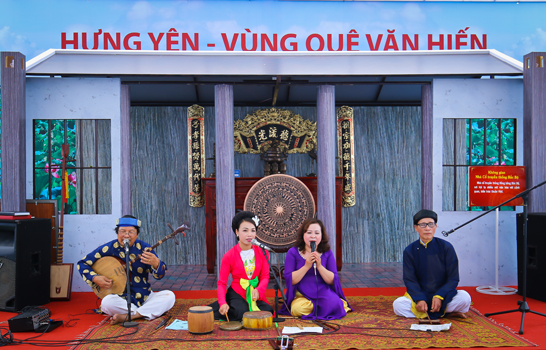
Hung Yen province is considered the birthplace of Ca Tru singing. Ngo Thoi Si once wrote in the book "Viet su tieu an": "In LyThai To dynasty (1010-1028), there was a beautiful singer named Dao thi who was rewarded by the King and named her a title; so all singers were called Dao nuong since then"
The writer of the book "Cong Du Tiep Ky"once wrote that in Ho dynasty(1400-1407), there was a female singer named Dao Thi Hue, born in Dao Dang village, Tien Lu district, Hung Yen province (Dao village, Trung Nghia commune, Hung Yen city today), who plotted to kill numerous soldiers of Minh dynasty and saved the whole locality. When she died, the villagers built a temple to show gratitude and called her home village A Dao. A dao, an important member of Ca Tru party, has different tasks from other singers. They sing and beat the claves at the same time. Among Ca tru singing clubs in Hung Yen province, Dao Dang Ca tru club affirms its position with 28 members. In addition to practice, this club also joins the Festival of lullaby and folk songs of Hung Yen province in 2014 and got 2nd prize; and got Silver Prize in Lullaby, folk and traditional singing festival of the Northern area organized in Bac Ninh province. In the National Ca tru singing festival co-hosted by the Ministry of Culture, Sports and Tourism and the National Musical Academy with the participation of over 100 performances, Hung Yen team sent 19 artists and all of them come from Dao Dang Ca tru club.
The team won the bronze prize with the performance of singers Do Thi Thanh Nhan, Nguyen Thi Hong Hanh, Vu Thi Dieu, musician Xuan The, and drummer Duc Hoang. Hung Yen province also got a prize with the youngest participant named Duong Tien Lam aged 5.Singer Do Thi Thanh Nhan, chairman of Dao Dang Ca tru club, was approved the submission profile of the Meritorious Artist to the Ministry of Culture, Sports and Tourism in 2015.
Hung Yen province is implementing the program "Protection of Ca tru singing heritage in the period 2014-2020" to restore, protect and develop the special values in culture and life style; to raise the awareness of preservation and enhancement of Ca tru singing in the province and to build a Vietnamese culture imbued with national identity.
Ca Tru clubs maintain activities, and regular practice to improve the quality of art, and be capable of performing to serve a wide range of people. Every year, the cultural sector organizes classes and training courses in order to disseminate knowledge and improve the qualifications of club members; restores singing and worshiping activities at the communal house on the occasions of festivals; and holdsperformances at annual festivals and contests organized by the province. While there are much efforts and support from some international organizations in Ca tru protection in Hung Yen in particular and the whole country in general, Ca tru singing's survival is not secured and in need of protection. Thus, as Ca tru is recognized as the intangible cultural heritage, people have greater awareness of benefits and responsibilities in protection of valuable cultural heritages.
.jpg)
.jpg)
.jpg)
.jpg)