Pho Hien - Hung Yen City, once a prosperous ancient urban center, carries within itself the essence of "Little Thang Long" of northern Vietnam in bygone eras. It is not by chance that this land is mentioned in folk tradition with the saying: "First comes Kinh Ky, second comes Pho Hien." This recognition speaks not only to its historical commercial status, but also serves as testament to the historical and cultural depth, as well as the unwavering aspirations for advancement of this land today an...
Pho Hien - Hung Yen City, once a prosperous ancient urban center, carries within itself the essence of "Little Thang Long" of northern Vietnam in bygone eras. It is not by chance that this land is mentioned in folk tradition with the saying: "First comes Kinh Ky, second comes Pho Hien." This recognition speaks not only to its historical commercial status, but also serves as testament to the historical and cultural depth, as well as the unwavering aspirations for advancement of this land today an...
.

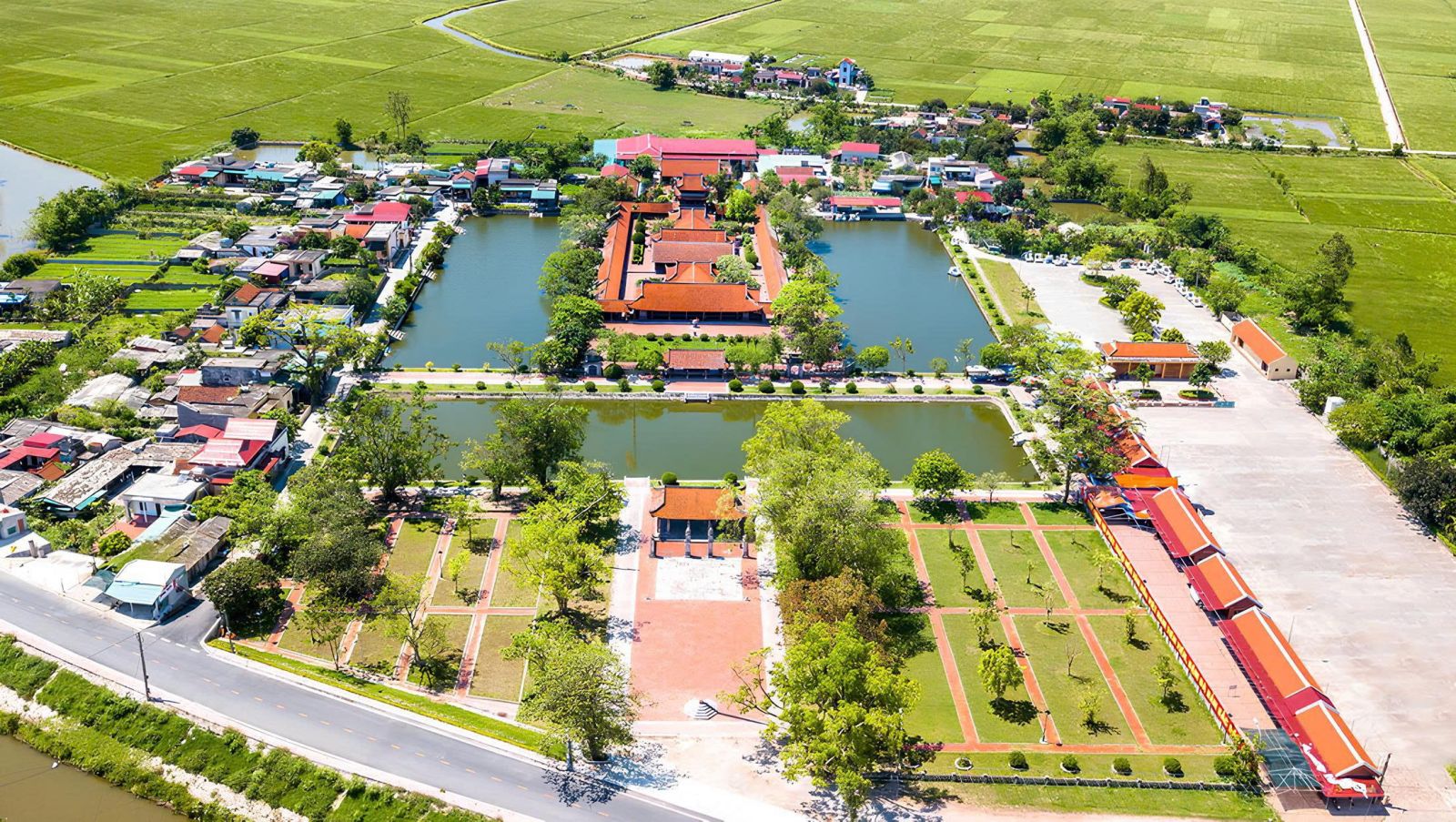
Dong Do Quang Hoi Historical Site
Photo: LE HAO
According to historical records, it was precisely the favorable hydrographical and topographical conditions that contributed to creating Pho Hien's most brilliant period of prosperity - a land where three major waterways converged: the Red River, Thai Binh River, and Day River. This constituted a strategic "commercial lifeline," serving as the gateway for maritime trade into the deep interior, connecting the northern coastal region with the imperial capital of Thang Long and extending even further to the southern territories (Dang Trong). Through this advantageous position, Pho Hien rapidly emerged as one of the most important political, economic, and cultural centers of the northern territories (Dang Ngoai) during the 17th and 18th centuries.
Under the Le-Trinh Dynasty, this location flourished as a bustling international commercial port. On the wharves and waterways, the Xich Dang River of that era regularly witnessed the busy traffic of heavy cargo vessels belonging to merchants from China, Japan, Portugal, the Netherlands, and England, among others, mooring and conducting trade. Beyond serving as a venue for commodity exchange, Pho Hien bore the characteristics of a genuine economic metropolis - featuring a complex of port facilities, central markets, commercial quarters, and notably, two trading posts operated by the Dutch and English, which functioned as international "representative offices," combined warehouses, and commercial coordination centers.
Due to the vibrant commercial activities, foreign communities - from Chinese, Siamese, and Malay peoples to European merchants - came to reside and establish businesses here. This gave rise to a multicultural, multi-religious cultural space. Architectural works, communal houses, temples, churches, and shrines displaying the fusion of Asian and European styles still leave their traces in the Pho Hien historical complex today.
This prosperity earned Pho Hien the designation of "Little Thang Long" - a miniature version of the capital during its golden age. While Kinh Ky was renowned for its 36 streets and quarters, Pho Hien once boasted over 20 bustling commercial districts with names that have been passed down through generations, such as: Tan Thi, Tien Mieu, Hau Truong... These streets served not merely as places of commerce, but as the soul of a city that once gained fame throughout the realm.
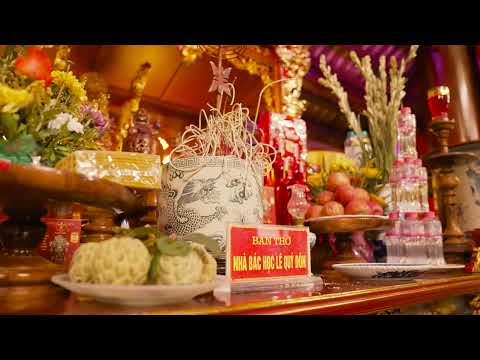
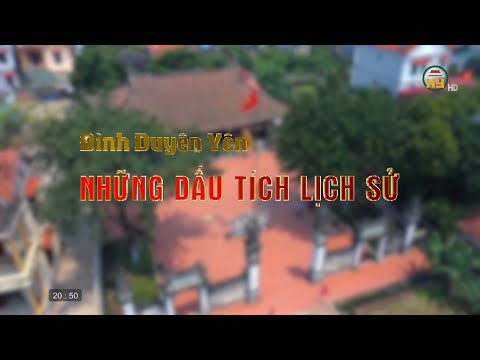
Turning through the historical pages of ancient Pho Hien, this was indeed a bustling commercial port that welcomed merchant fleets from both West and East in constant succession. As the nation's second-largest commercial center, Pho Hien not only developed economically but also preserved the cultural essence of multiple ethnicities - from architecture and beliefs to customs and traditions. From this "spiritually blessed land of outstanding people," heritage sites such as Chuong Pagoda, Mau Temple, and Xich Dang Confucian Temple have endured through time and become distinctive cultural symbols of the northern delta region.
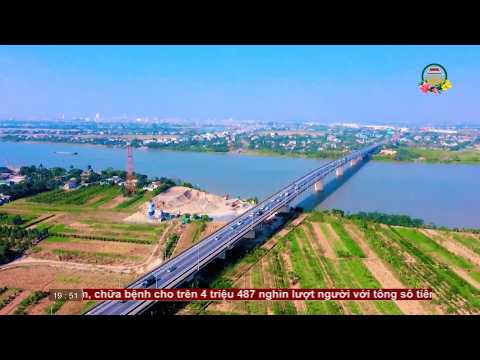
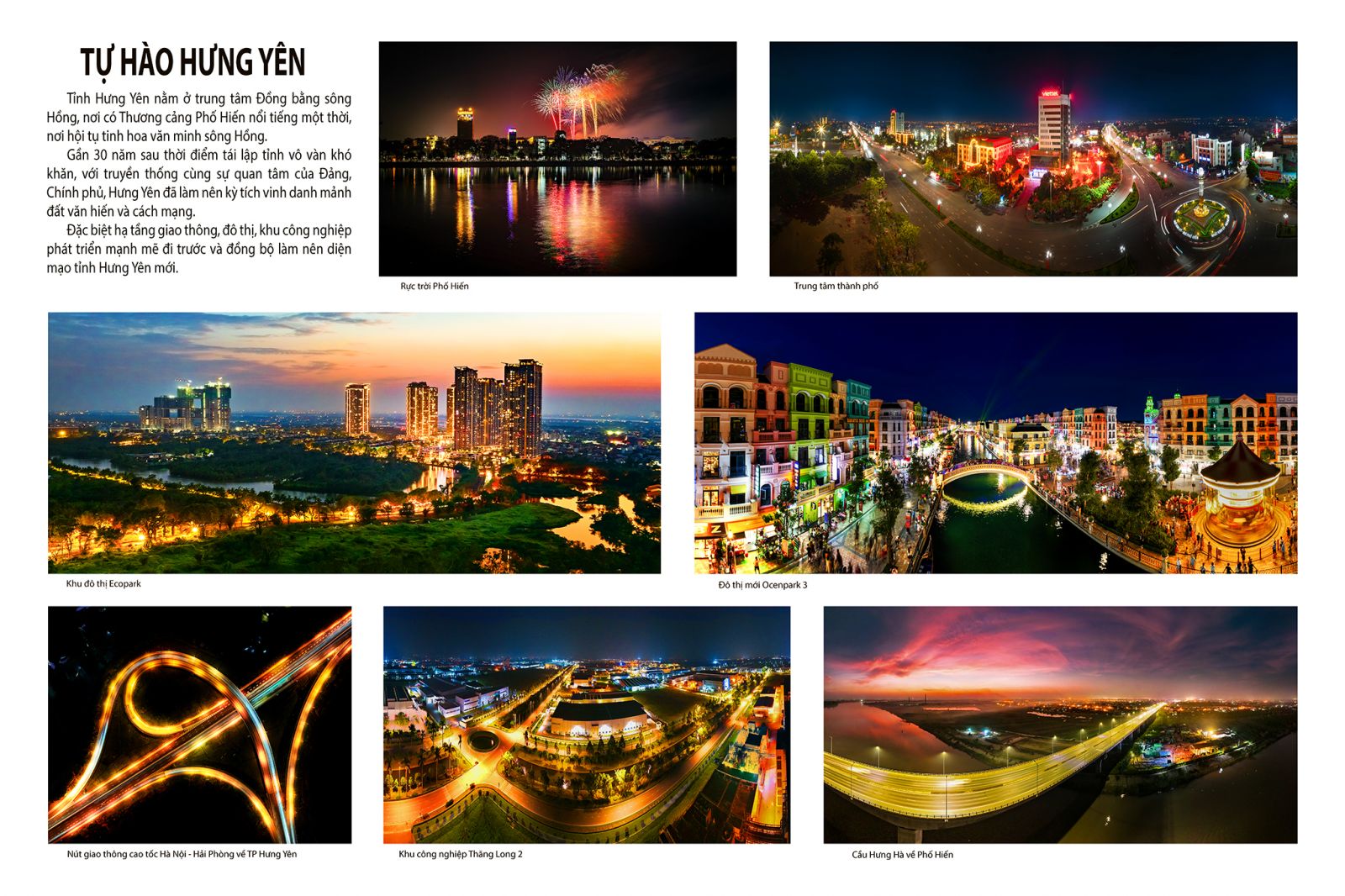
Beyond its historical depth, Hung Yen City possesses an advantageous geographical position. Located at the center of the Hanoi - Hai Phong - Quang Ninh development triangle and in close proximity to the capital Hanoi, the city easily connects with major urban centers in the region through vital transportation networks: National Routes 38 and 39, the Hanoi - Hai Phong Expressway, along with strategic bridges such as Yen Lenh, Hung Ha, and Trieu Duong.
The development does not stop there. Roads that have been, are being, and will be constructed - such as the heritage tourism and economic development route along the Red River (scheduled to commence construction mid-year), or the Hung Yen - Thai Binh transportation route - will continue to "unlock" the multi-dimensional growth potential of the region.
Over the past several decades, Hung Yen City has undergone a remarkable "transformation," evolving from a small town following the province's re-establishment in 1997 to achieving Grade III urban status today, while striving to reach Grade II classification by 2025. The economy has maintained sustainable growth, sustaining levels above 10% annually for consecutive years. The urbanization rate has reached nearly 53% - an impressive figure compared to other urban areas in northern Vietnam.
Alongside infrastructure development has come substantial growth in commercial activities, services, education, and healthcare. A livable city is taking shape - where modernity is intertwined with enduring cultural identity, where people are placed at the center of development.
Recently, the Provincial People's Committee has submitted to the Prime Minister the project "Construction and Reconstruction of Ancient Pho Hien" with a total projected investment of over 47 trillion VND. The project is scheduled for implementation during 2025-2035, covering an area of more than 1,700 hectares within Hung Yen City. The implementation scope includes the wards of Minh Khai, Hien Nam, Lam Son, Hong Chau, and the communes of Quang Chau, Hoang Hanh, and Tan Hung.
The project's objectives extend beyond preserving the existing system of historical sites such as communal houses, temples, pagodas, and ancient churches, to reconstructing the ancient urban space and recreating the appearance of Pho Hien - an international commercial center that once welcomed merchants from 12 nations. Iconic structures such as the Xich Dang commercial port, ancient residential quarters, and architecture featuring East-West fusion styles will be reconstructed, creating a harmonious blend of tradition and modernity within the urban landscape.
In the historical flow of our nation, there are lands that are remembered not merely through maps, but through pride and emotion. Pho Hien - today's Hung Yen City - is precisely such a place. From the magnificent ancient metropolitan center beside the Red River of yesteryear to a young city rising powerfully in today's era of renewal. And this place has never ceased to continue writing its dreams.
PV
Nguồn trích dẫn: baohungyen.vn
.jpg)
.jpg)
.jpg)