Hung Yen is a cultural land with thousands of precious relics being well preserved, which is the core of national and cultural identity, bringing great pride of the people here. Those layers of the cultural sediment havebecome resources to create new vitality....
Hung Yen is a cultural land with thousands of precious relics being well preserved, which is the core of national and cultural identity, bringing great pride of the people here. Those layers of the cultural sediment havebecome resources to create new vitality....
According to documents, in the 16th and 17th century, Pho Hien was located on the land of Hung Yen city. This place used to be a famous trading port with the busiest and the most bustling trading activities in Dang Ngoai. The vestiges of the heyday are still imprinted on the ancient architectures, in the customs and lifestyles of the community here. The city is preserving 182 historical, cultural and architectural monuments. There are 01 special national relic area, 20 relics of the national level, 25relics of the provincial level; nearly 100 inscriptions and thousands of antiques with rich historical and cultural value.
According to statistics, Hung Yen province has over 1,200 relics in which 165 are ranked at the national level; 214 is ranked at the provincial level. Relics contain numerous tangible cultural heritages. Besides historical and cultural values, there are also preserved values of Vietnamese architecture, sculpture, fine artsin many historical periods.
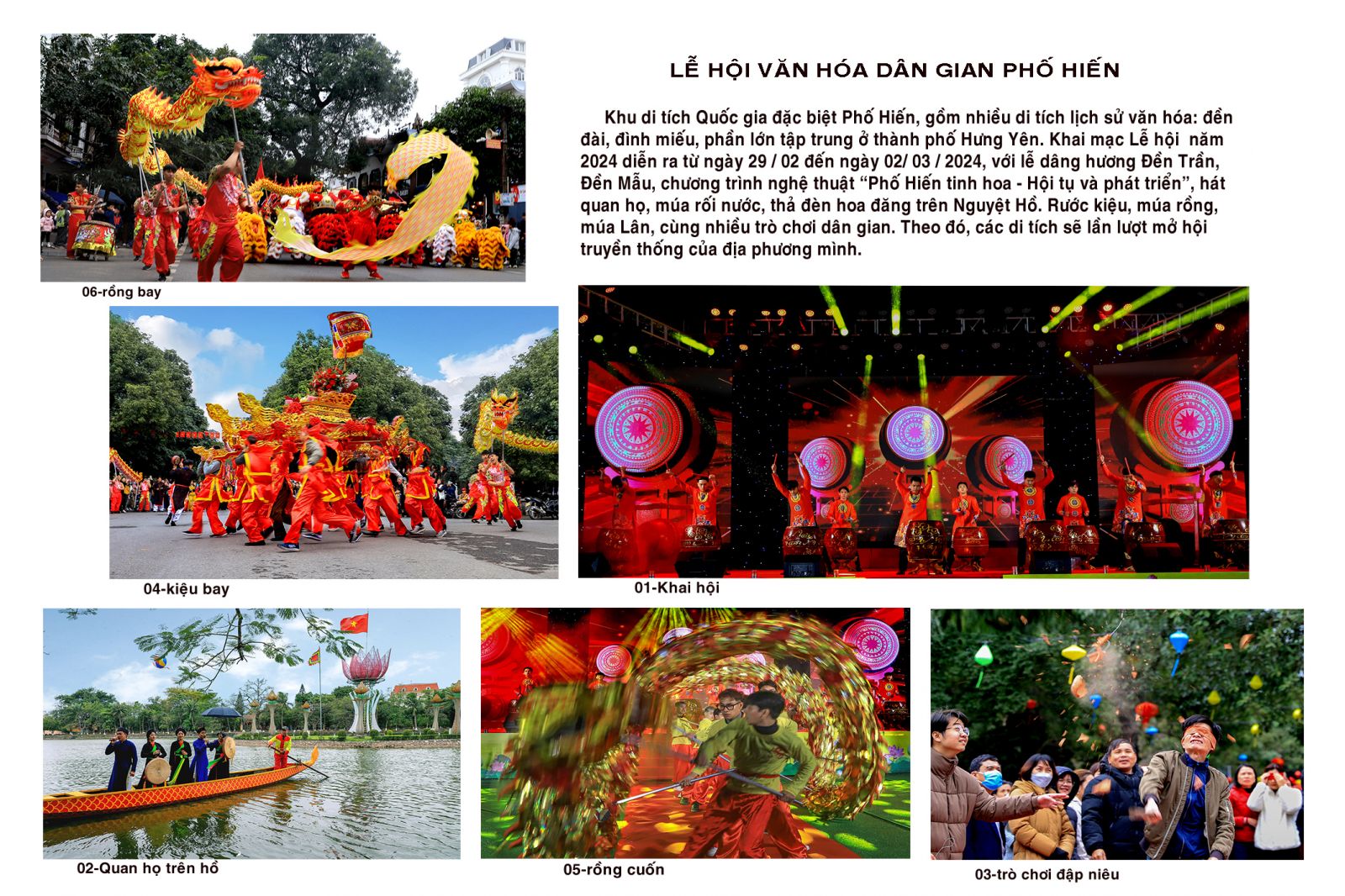
The Red River Delta still maintains over 400 festivals; many of them carry the culture of the water rice civilization such as: Rain praying festival, water procession festival, tug and war festival, Chu Dong Tu- Tien Dung festival which is one of the most unique love festivals in Vietnam. Hung Yen province also preserves "ca tru", which is recognized as the intangible asset of human beings and in need of urgent protection, and "trong quan" singing in Da Trach commune, Khoai Chau district
 |
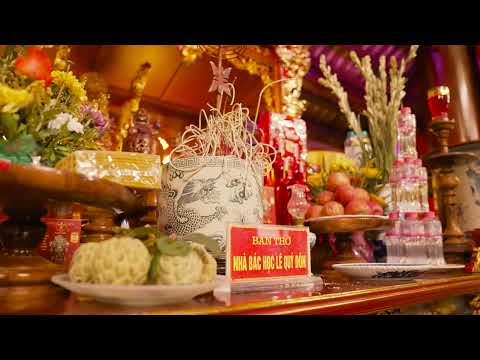
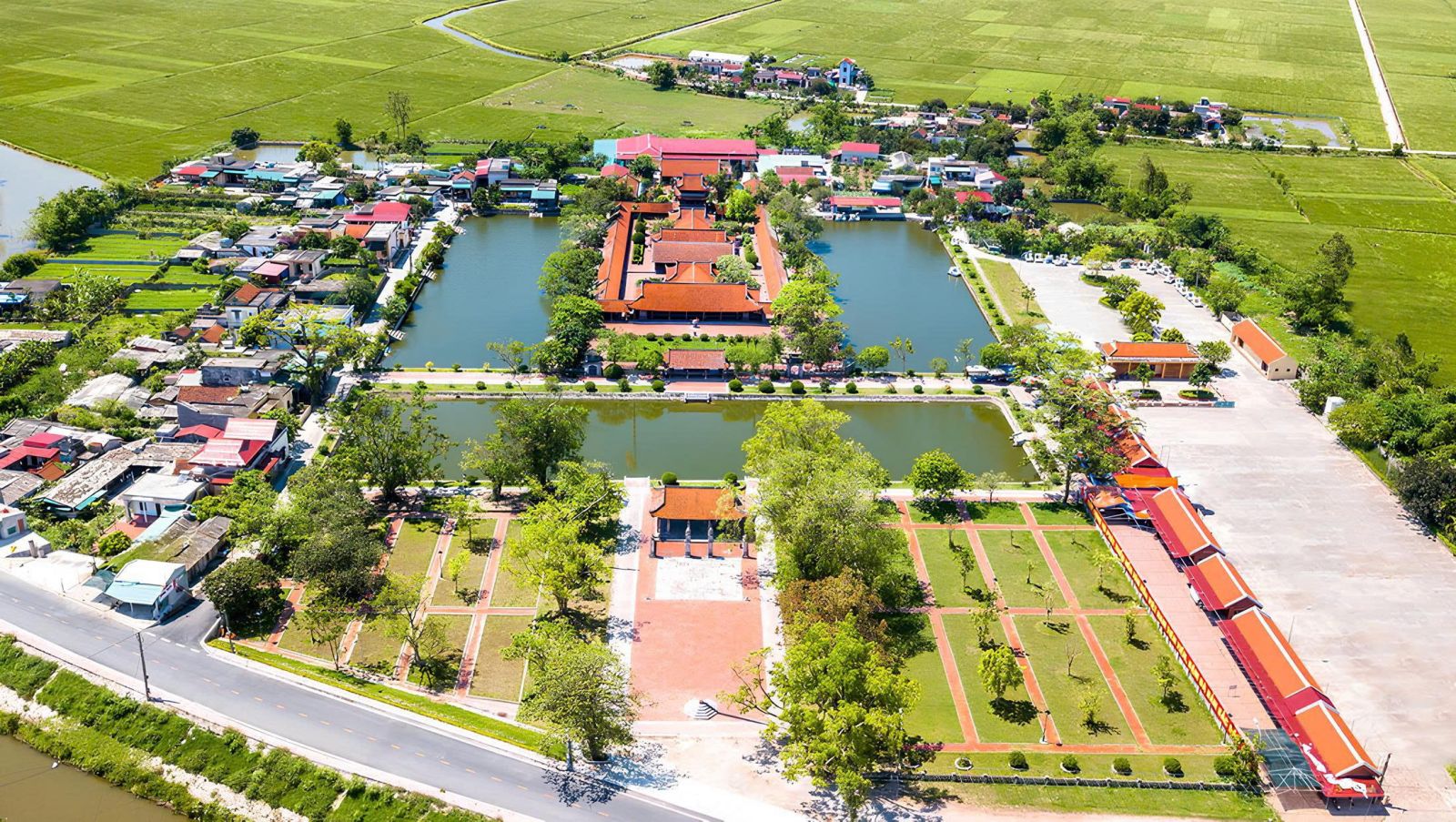
| Hung Yen temple, built in 17th century, is a typical relic praising long-lived study culture and tradition of Hung Yen people |
The cluster of historical sites reflect the spirit of indomitable struggle against foreign invaders of the nation such as Nhat Da swamp which was the basement of Trieu Quang Phuc during the fight against Luong enemies; Ham Tu gate (ham Tu commune) which imprints the fight against Nguyen Mong invaders in 1285; Bai Say revolution led by Nguyen Thien Thuat from 1885-1892.
The long history of formation and development has left Hung Yen an invaluable historical and cultural asset and the love story "Chu Dong Tu - Tien Dung" associated with the Red River heavy with alluvium. These are human resources being exploited by Hung Yen province to develop cultural tourism products of the smokeless industry.
New vitality from the traditional platform
Of all relics, Hien pagoda, built in Tran dynasty, now still preserves a number of statues aged back to 19th century and stone boards made in the year of the 7th Vinh To (1625) and in the year of the 5th Vinh Thinh (1709). In front of the temple yard, there are two extremely rare and precious ancient stone boards, which store numerous historical documents about the settlement process of the old Pho Hien trading port. This is also where the longan tree (from the 16th century) still yielding luxuriant leaves and fruit every year.
 |
| The 400-year-old ancient longan tree in Hung Yen city |
The longan of this land, known as the fruit for the King since the 16th century, is still preserved as a treasure. In "Phu bien tap luc" in 1776, scientist Le Quy Don once wrote about Hung Yen longan: "Once putting the longan into mouth, the tongue feels an aromatic taste as the holy water".
The Red River and Luoc River annually enrich Hung Yen land with fertile alluvium that crystallized the sweetness and fragrance of the longan. The people are always proud of this precious product which is not only delicious, but also meets strict standards of food safety in order to reach domestic and foreign markets.
The rows of green longan laden with fruit in the gardens or stretching on the roads leading to small villages. Currently, they have developed into a large commodity area, with an annual output of several tens of thousands of tons, generating thousands of billions per year.
 |
| People in Hong Chau commune, Hung Yen city takes care of longan in the longan land |
Not only famous for longan, in recent years, Hung Yen oranges are getting well known by domestic consumers. Hung Yen province currently has a total area of nearly 2,000 hectares of oranges. Of which, more than 1,000 hectares are being planted under the VietGap process and concentrated in the following communes: Quang Chau (Hung Yen city), Tam Da (Phu Cu), Dong Thanh (Kim Dong), Dong Tao (Khoai Chau) and some communes in Van Giang district. In May 2020, Hung Yen orange was granted a certificate of trademark registration by the National Office of Intellectual Property (Ministry of Science and Technology). This is a breakthrough in the access to domestic and foreign markets for Hung Yen orange products, and at the same time opens up great opportunities for local economic development.
Prominent among the craft villages of Hung Yen province in the new period, Xuan Quan commune, Van Giang district, from a purely agricultural land mainly cultivating rice and maize, thanks to the encouragement policyto form concentrated agricultural production areas to make contribution to the construction of the new style rural area, has now become a key flower area of Hung Yen province andalso in the North.
 |
| People in Van Giang district, Hung Yen province takes care of roses |
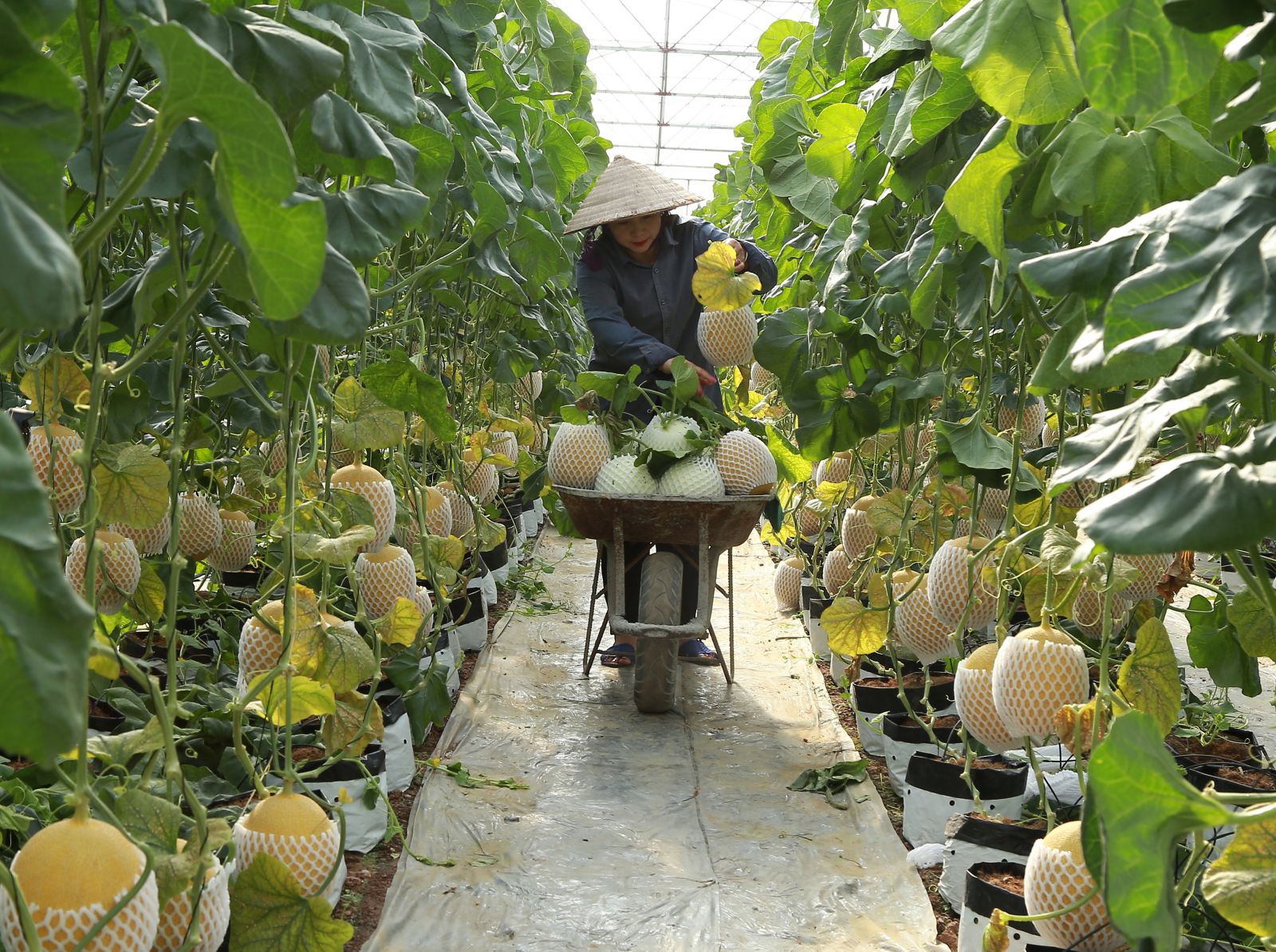
Currently, more than 60% of the commune's arable land is to grow flowers and ornamental plants with 900 households engaged in this profession. The total profit from flowers and ornamental plants of the commune is nearly 200 billion VND each year. The annual income after deducting all expenses ranges from at least VND300 million to billions of VND. Flower growers earning high income in Xuan Quan commune is mostly the initiators in developing high-tech agriculture model.
Hung Yen province has 62 traditional craft villages such as: Tuong Ban craft village, bronze casting village, harrow craft village, incense making in Cao village...All tangible and intangible heritages are becomingthe cultural and spiritual foundation as well as resources for Hung Yen province to develop new cultural forms and tourism products and to update the trend based on the traditional foundation.
Nguồn trích dẫn: baohungyen.vn
.jpg)
.jpg)
.jpg)