“Thứ nhất Kinh kỳ, thứ nhì Phố Hiến” (The most important area is the Imperial capital city [Thăng Long], the second is Hiến Town) is an old saying about the hustle and bustle of Pho Hien, the biggest trading port of Tonkin in the 17th and 18th century, now known as Hung Yen city (Hung yen province). The imprint of its existence still appear on the sculpture and spiritual and cultural life of Hung Yen residents....
“Thứ nhất Kinh kỳ, thứ nhì Phố Hiến” (The most important area is the Imperial capital city [Thăng Long], the second is Hiến Town) is an old saying about the hustle and bustle of Pho Hien, the biggest trading port of Tonkin in the 17th and 18th century, now known as Hung Yen city (Hung yen province). The imprint of its existence still appear on the sculpture and spiritual and cultural life of Hung Yen residents....
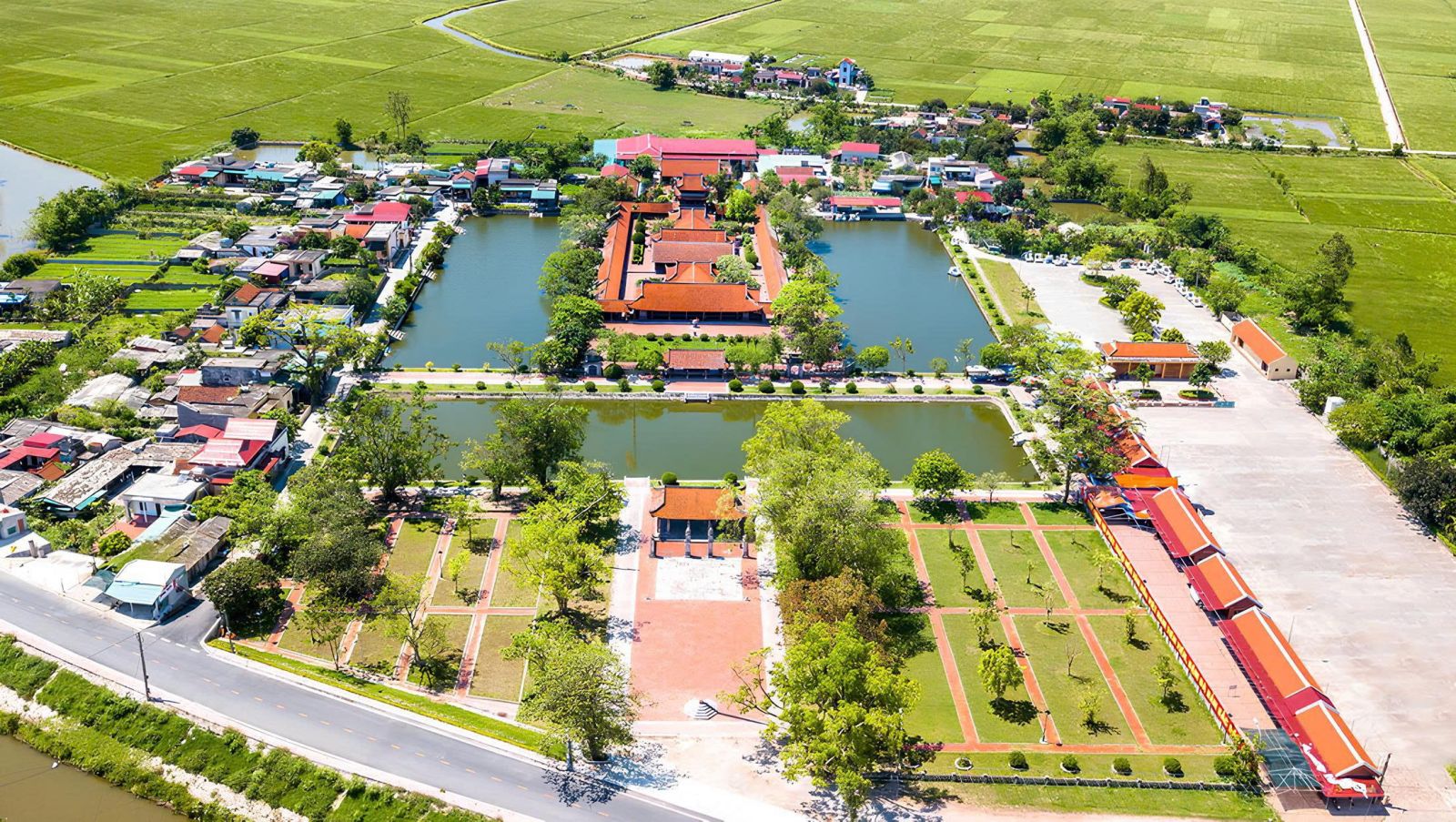
Preservation and promotion of the traditional cultural values in order to develop the tourism products carrying the identity of Pho Hien is one of the orientation that Hung Yen province is focusing on

Mau temple festival is one of the special festivals of Pho Hien, Hung Yen
Trading port imprint
According to history records, the favorable conditions of flow terrain of rivers such as Red river, Thai Binh river and Day river helped Pho Hien become the center of politics, economy and culture of Tonkin in the 17th and 18th century. As the favorable transport location and the gateway of all trading routes from the Northern sea to the capital city of Thang Long as well as other farther regions into the mainland, Pho Hien used to be the most important trading port with the scene of heavy vessels anchoring densely over Xich Dang river.
In addition to the trading port, this region also had the characteristic of an economic urban area with the complex of ports, markets, streets and two representative offices of the UK and Dutch. Pho Hien became a promising place for living and building career of Thailand, Malaysian, Chinese and other Western community. Pho Hien used to be called “little Trang An” due to its formation from busy streets like Thang Long- Ke Cho. While Thang Long had 36 streets, Pho Hien had more than 20 and famous stores such as Tan Thi, Tien Mieu, Hau Truong.
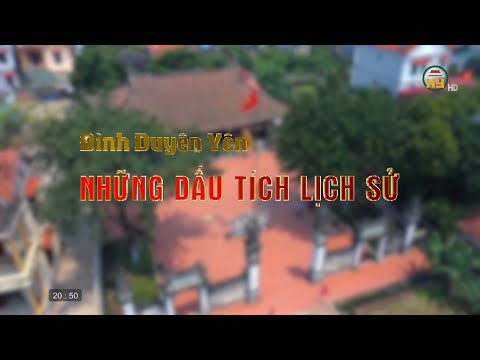
Undergoing ups and downs, especially when Red river started to erode through the part of the port, Pho Hien gradually stayed farther from the river. Foreign vessels could not approach the port, so there were no longer the bustling trading activities. Pho Hien gradually lost its important location and then was forgotten. However, the imprint of foreign community living there has not faded away. The most noticeable feature is the streets, temples and pagodas carrying Vietnamese and Chinese architecture style. In addition, there are multiple buildings showing the mix between Chinese and Western style and Vietnamese style such as Dong Do Quang Hoi, Thien Hau temple,, Pho pagoda, Vo Mieu….
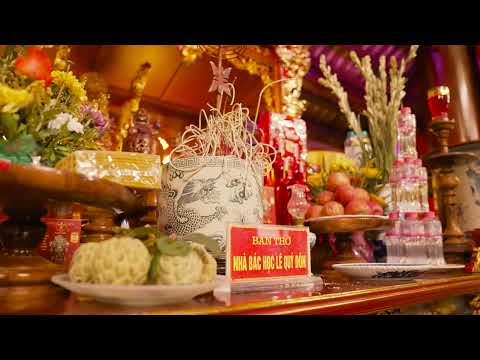
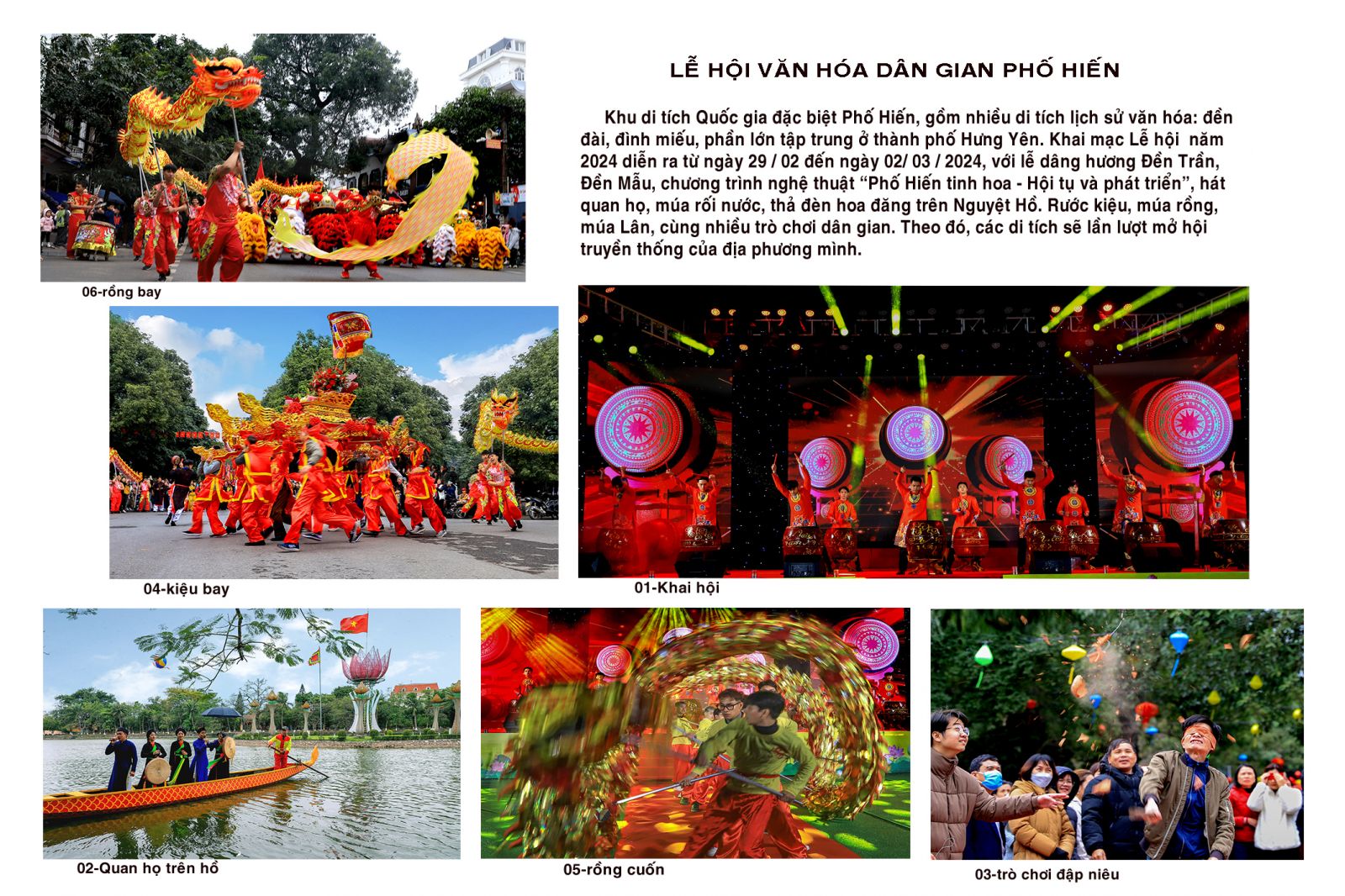
Pho Hien is also the home of various art forms such as Ca Tru, Cheo singing, Trong Quan singing and hundreds of folk festivals. Chairman of the people’s committee of Hung Yen city said that 100 folk festivals annually are the force for socio-economic development in the locality. In 2014, Pho Hien relic complex was recognized as the Special national site. This is the foundation to preserve and develop the cultural historical values in order to foster the potentials of tourism and do promotion of Hung Yen landscape and people.
Develop Pho Hien trademark
With the special values in history, culture and architecture, in 2010, Pho Hien was approved the General planning in preservation, repair and promotion of values of the ancient Pho Hien urban area towards 2010 attached with tourism development. Mr. Doan Van Hoa, Director of the Department of Culture, Sports and Tourism said that based on its potential, Hung Yen province aims at taking tourism as the key industry with multiple varied products, carrying the identity and culture of Pho Hien – Hung Yen.
From now to 2025, the province will focus on the development of Pho Hien national relic complex and three provincial level sites including: Da Hoa- Da Trach (Khoai Chau district), La Tien (Phu Cu district), Ecopark (Van Giang district) to attract visitors from Hanoi and provinces in Red river delta and foreign tourists from Western Europe, North America, North Europe…Hung Yen’s goal by 2020 is attracting 1.5 to 2 million visitors, in which 25,000 to 30,000 foreign tourists.
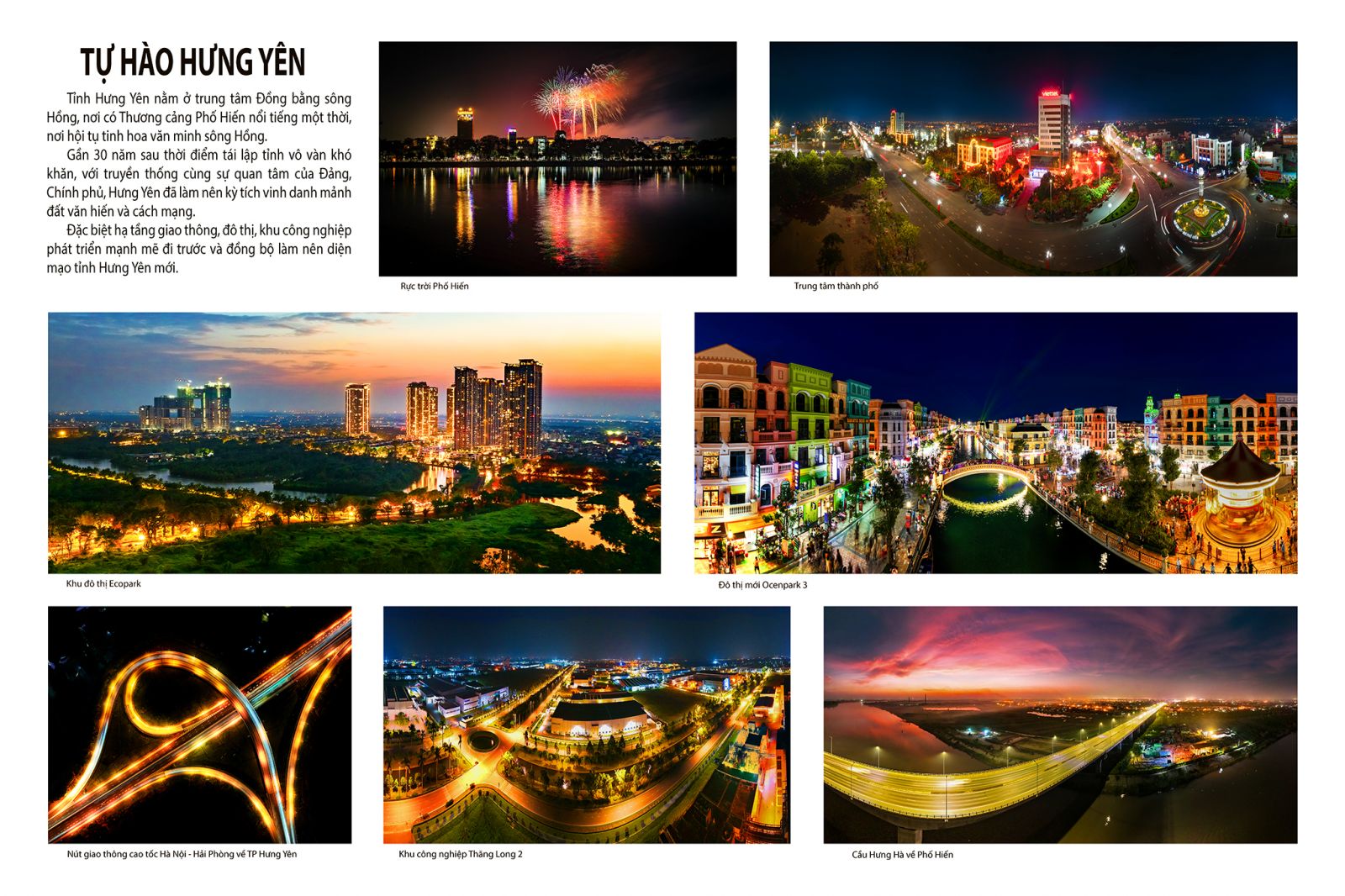
In comparison to other provinces, Hung Yen tourism has not been developed fully nor proportionate to its potential due to the objective and subjective reasons. Locating near a huge tourism center like Hanoi capital is convenient for tourists to travel, but the poor tourism infrastructure intimidates the attraction of accommodation.
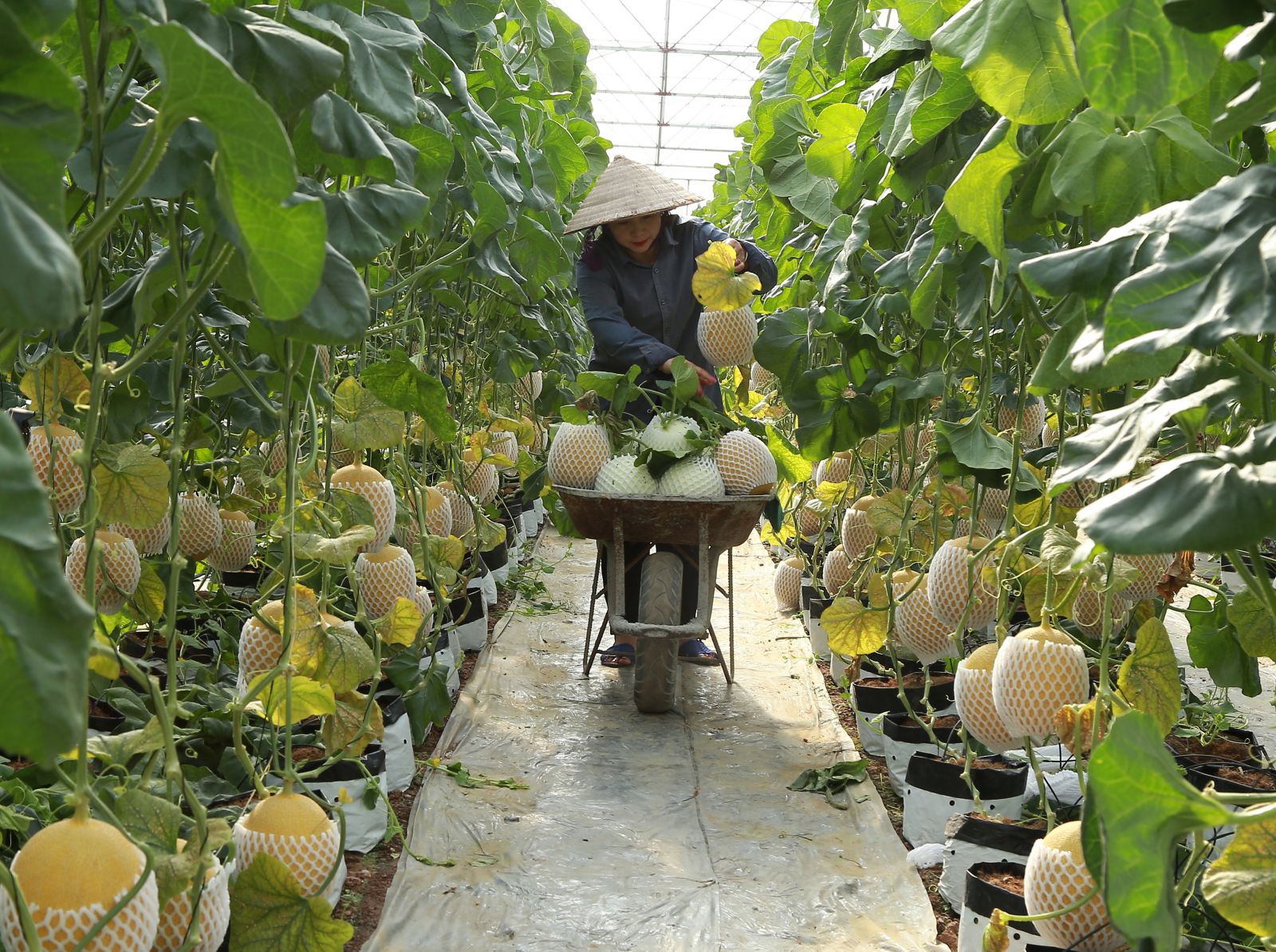
Thus, Hung Yen province should take advantage of Pho Hien trademark to build up exclusive tourism products to attract the attention of visitors. At the same time, it should focus on developing the exploring tours to let tourists experience culture and sightsee the craft villages, promote ecology tourism and agricultural products of the province such as Hung Yen longan, Gau sticky rice cake, Ban soy sauce…
Also, functional departments at all level should change their way of thinking, and the promotion method to widespread Hung Yen’s image to domestic and foreign market. As a result, Hung Yen tourism can be awoke and thrive in the coming time.
Nguồn trích dẫn: baohungyen.vn
.jpg)
.jpg)
.jpg)