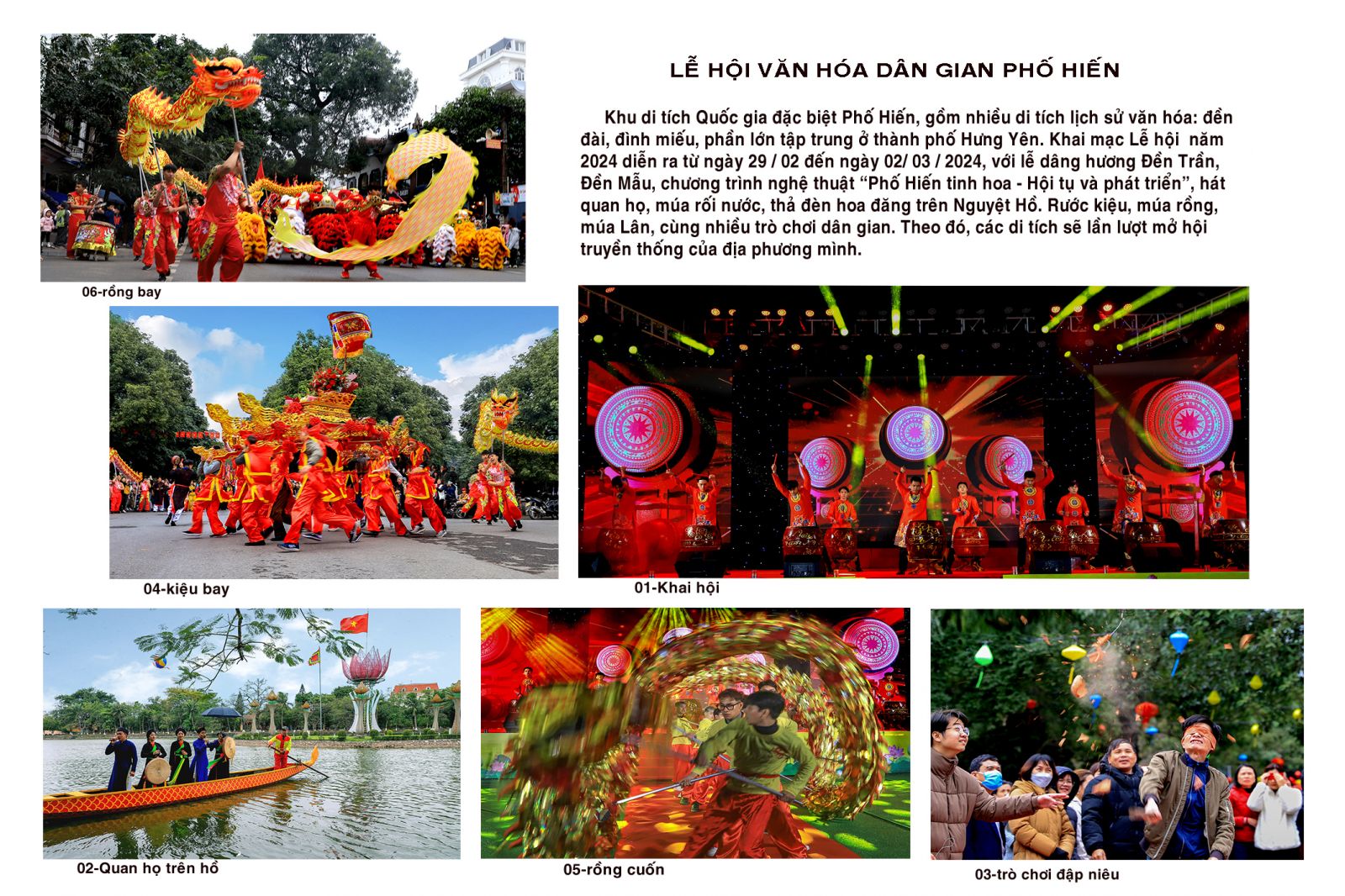
From the ancient times, our ancestors had an old saying: "Dua La, ca Láng, nem Bang, tuong Ban" (which means each specialty referred to a specific locality). With a distinct flavor, the soy sauce of Ban village or also called Ban soy sauce has become an indispensable dipping sauce in meals of Vietnamese people...
From the ancient times, our ancestors had an old saying: "Dua La, ca Láng, nem Bang, tuong Ban" (which means each specialty referred to a specific locality). With a distinct flavor, the soy sauce of Ban village or also called Ban soy sauce has become an indispensable dipping sauce in meals of Vietnamese people...
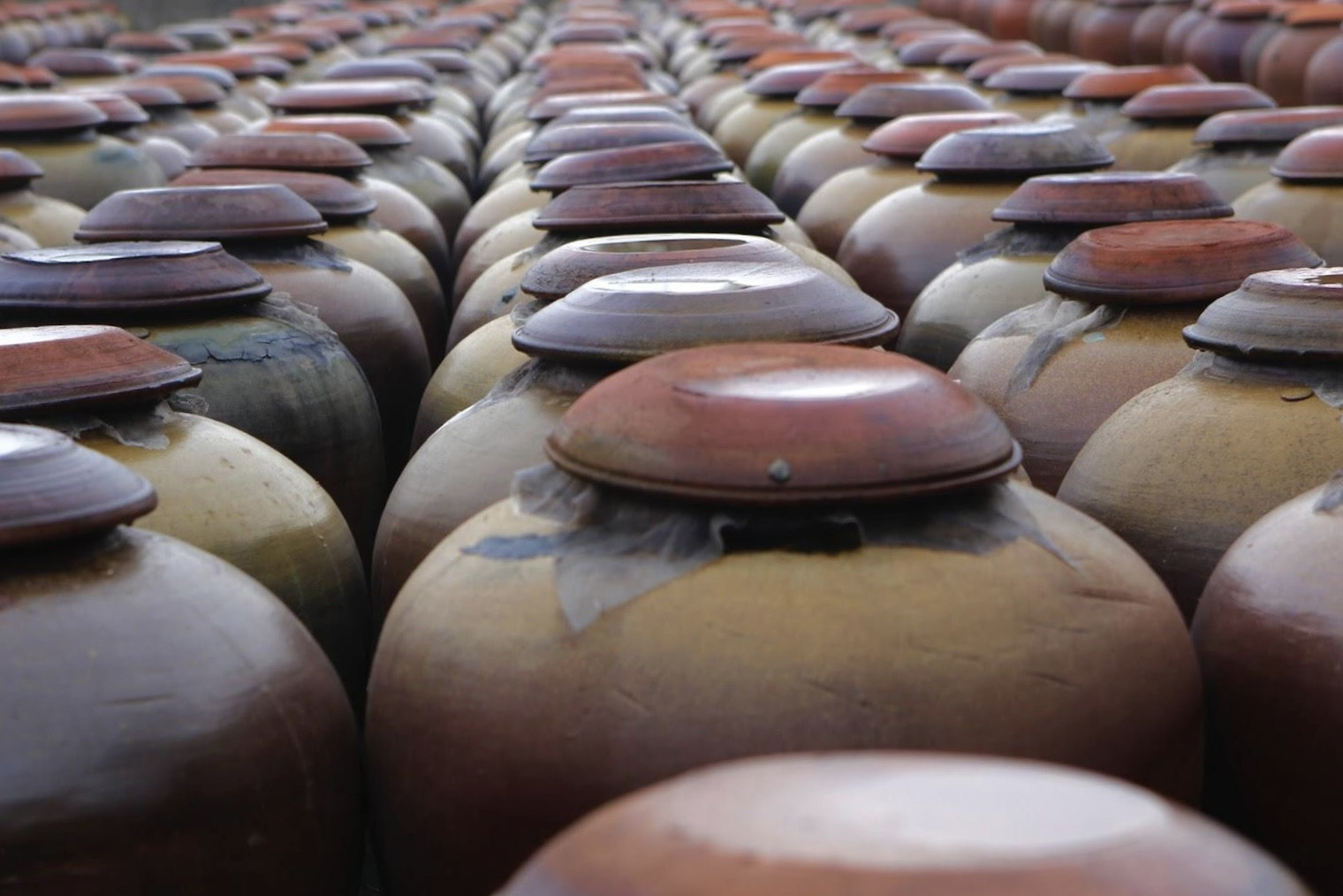
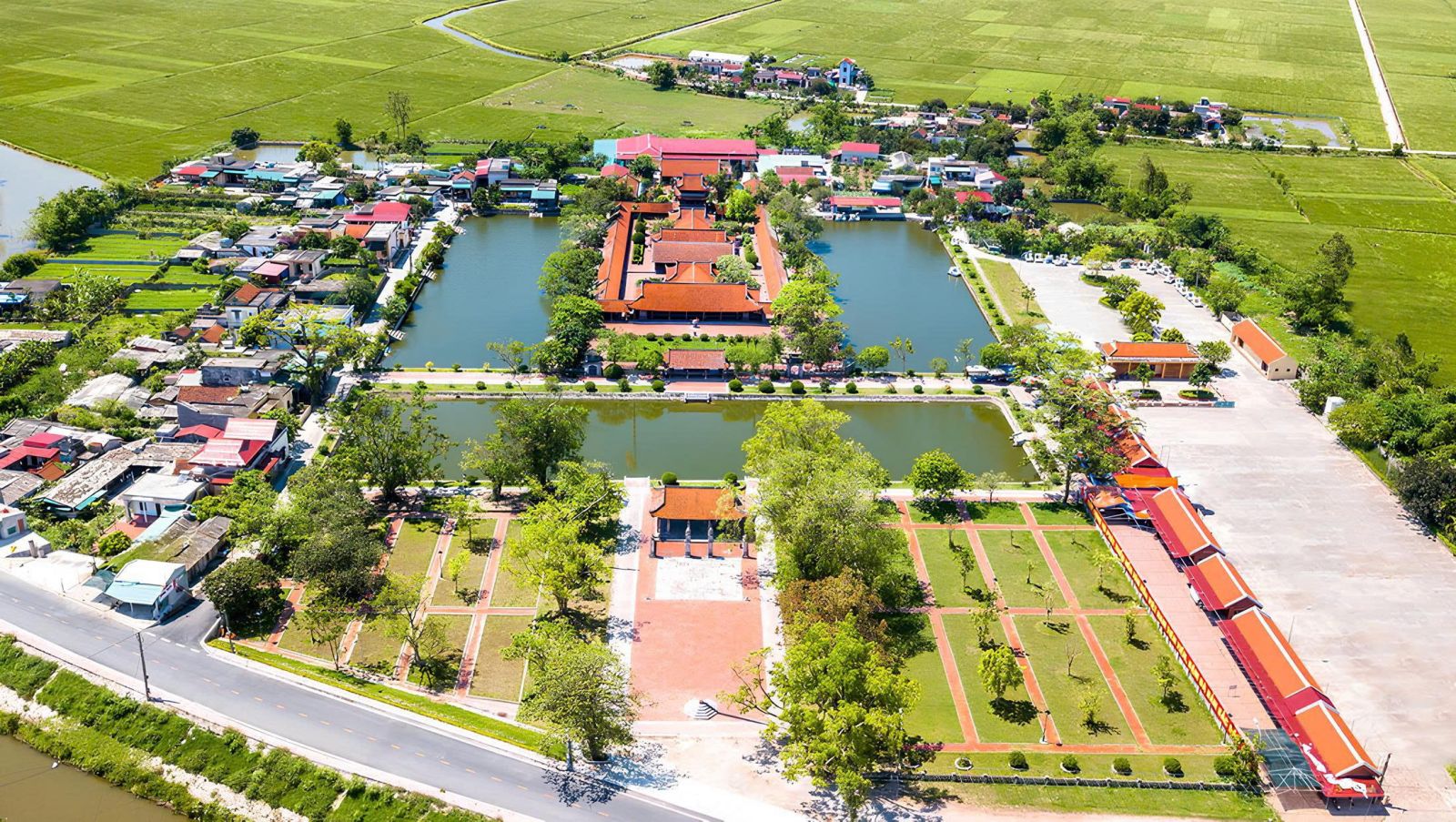
Few people know that in order to make this special dipping sauce, Ban village (now under Ban Yen Nhan ward, My Hao town, Hung Yen province) has a unique secret made from longan leaves, ceramic tubs and village well water.
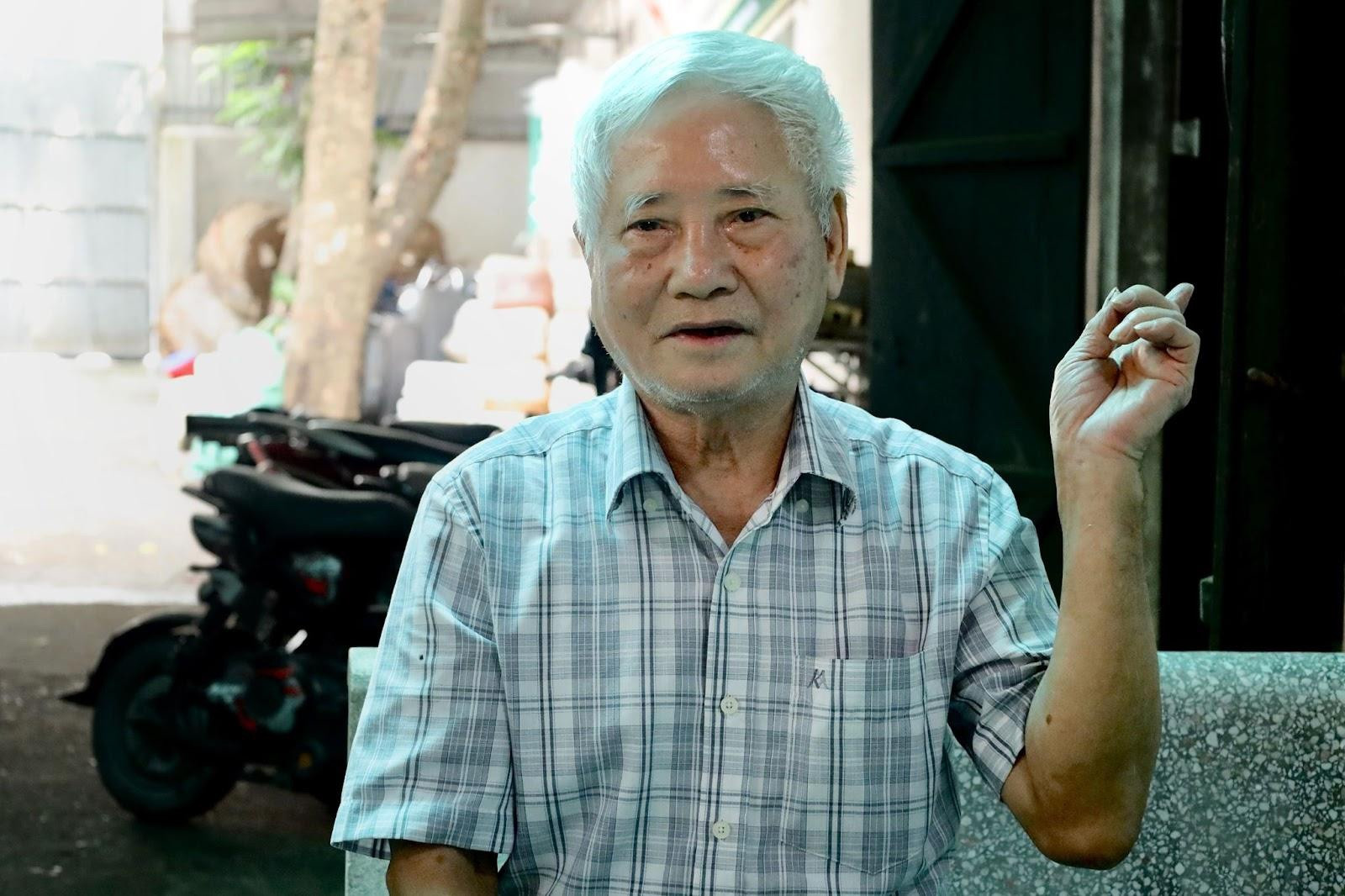
Legend has it that this profession appeared long time ago. Up till now, there are many households maintaining and developing soy sauce making. From the beginning days, villagers used longan leaves to make rice go moldy and cover the mouth of the tub. Longan leaves can keep the temperature, especially ones from Hung Yen province where is famous for Nhan long (longan). Mr. Ngo Xuan Trieu shared that "The soy sauce tubs fermented by longan leave will form a final product with dark spots floating on the surface due to the steams emitted from the leaves condense".
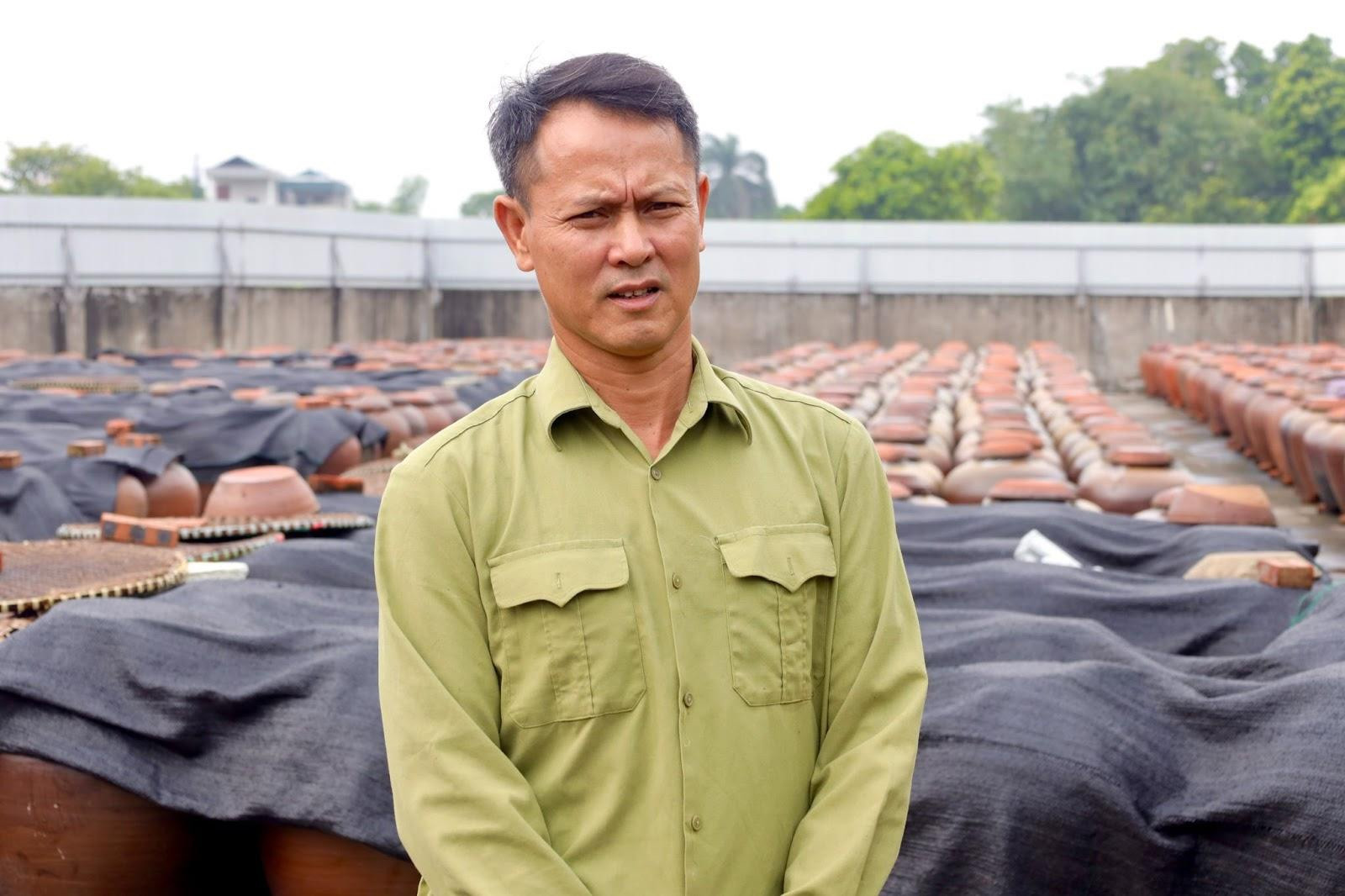
As being asked about the differences of the soy sauce between Ban village and other areas such as Cu Da, Duong Lam or Nam Dan, Mr. Vu Duy Hai said: "People differ from place to place, so the soy sauce making can't resemble. However, water is probably the secret to distinguish Ban soy sauce's taste from others". He also revealed that it was impossible to use the rain water to make soy sauce as it contained acidity, while the boiling water could kill the yeasts. In order to make an exclusive taste, the artisans must use the water in the village well.
Ban well village has existed for ages, featuring a half-moon shape by the base of an old banyan tree having intertwined roots. The water from this well is peculiar, partly murky and partly clear, as if it were the confluence of two spring sources merging together.
In Ban village, it's easy to see the handmade ceramic tubs aged 50 to 70 years. The final products made in the old tubs are better than the modern, new tubs. The old tubs are not only hard but also keep the soil porosity without leakage. The wide mouth of the tub enables artisans to examine the condition and status of the soy sauce in order to make regular adjustments and scoop soy sauce easily
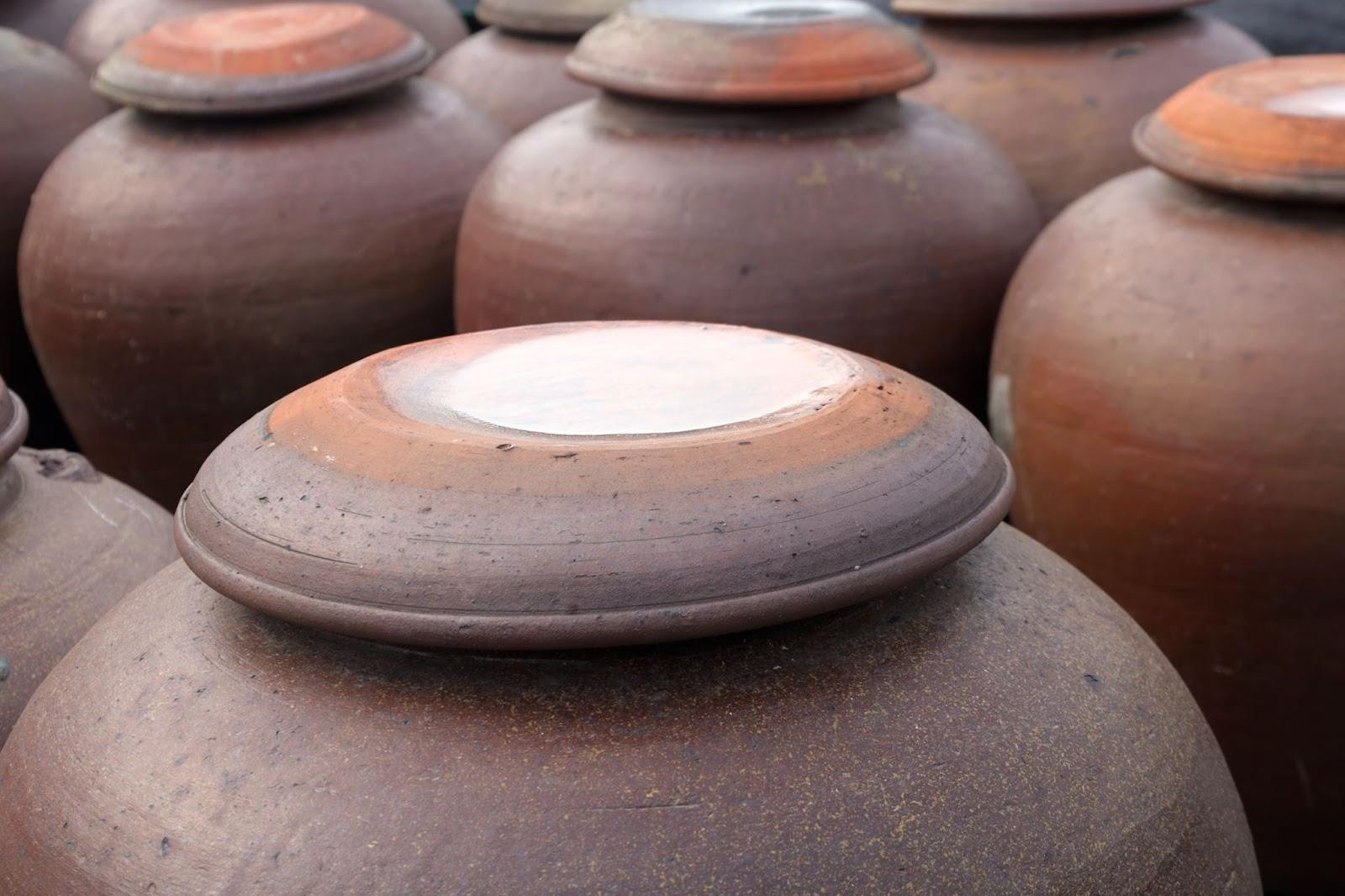
The ingredients are not complicated and fussy; however, in order to make an aromatic batch of soy sauce, artisans must be sophisticated. Hai said: "Making soy sauce is not difficult, but making the standard Ban soy sauce is hard".
The first step is choosing rice to make yeasts. Rice must be glutinous round grain rice which still keeps the bran to make the soy sauce sweeter. After that rice is steamed into sticky rice, and scooped onto sieves to prepare for incubation. According to the ancestors' instruction, the sticky rice must be incubated carefully with the longan leaves.
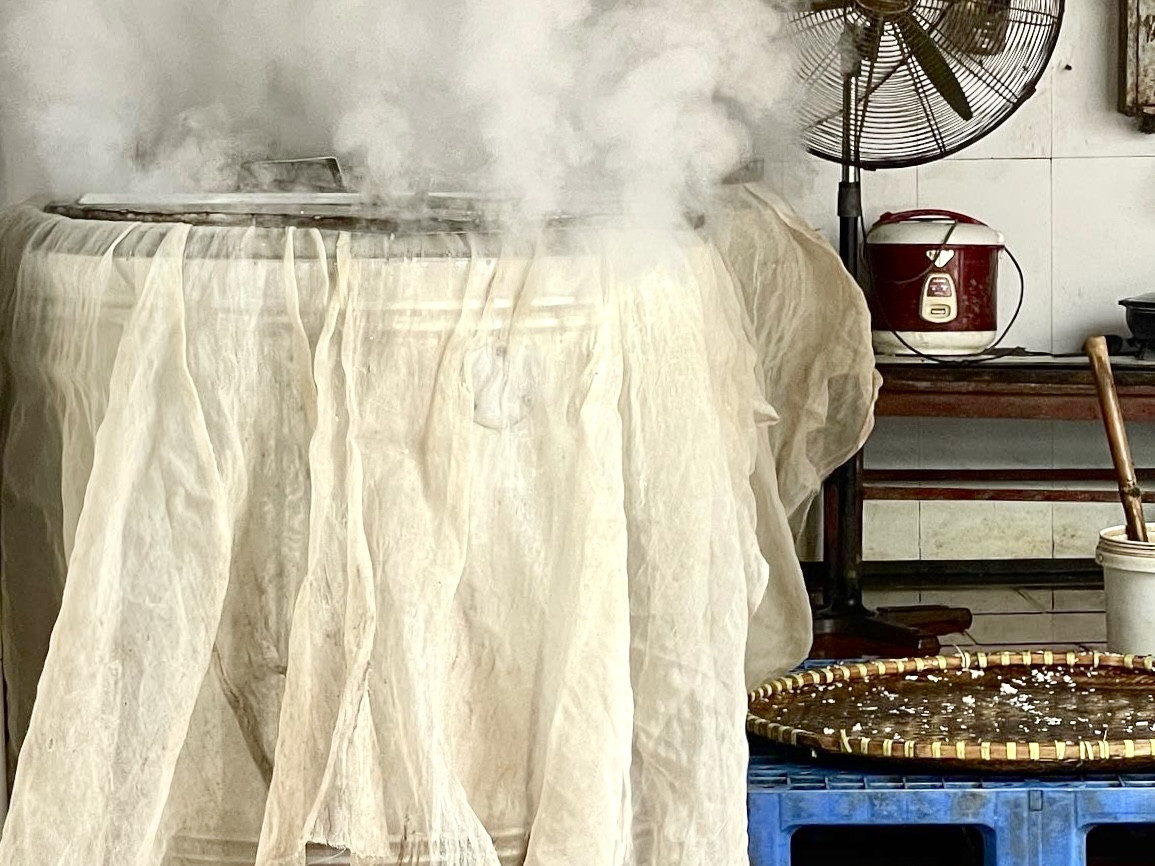
Incubation is one of the factors directly deciding the quality of the soy sauce batch. If the yeast is viscous, sour, too moist or black, the soy sauce will be sour, bad-colored and lose the aroma. Thus, as the white yeasts cover the rice, people use hands to squeeze rice so that every grain is stuck with yeasts. After that, cloths and longan leaves are covered on top.
With soybeans, they need to be washed clean until the water is clear, while also discarding any spoiled or shriveled beans. When roasting, use a thick-bottomed pan and stir continuously to prevent the soybeans from burning. The evenly cooked soybeans are then finely ground by the person making the sauce.
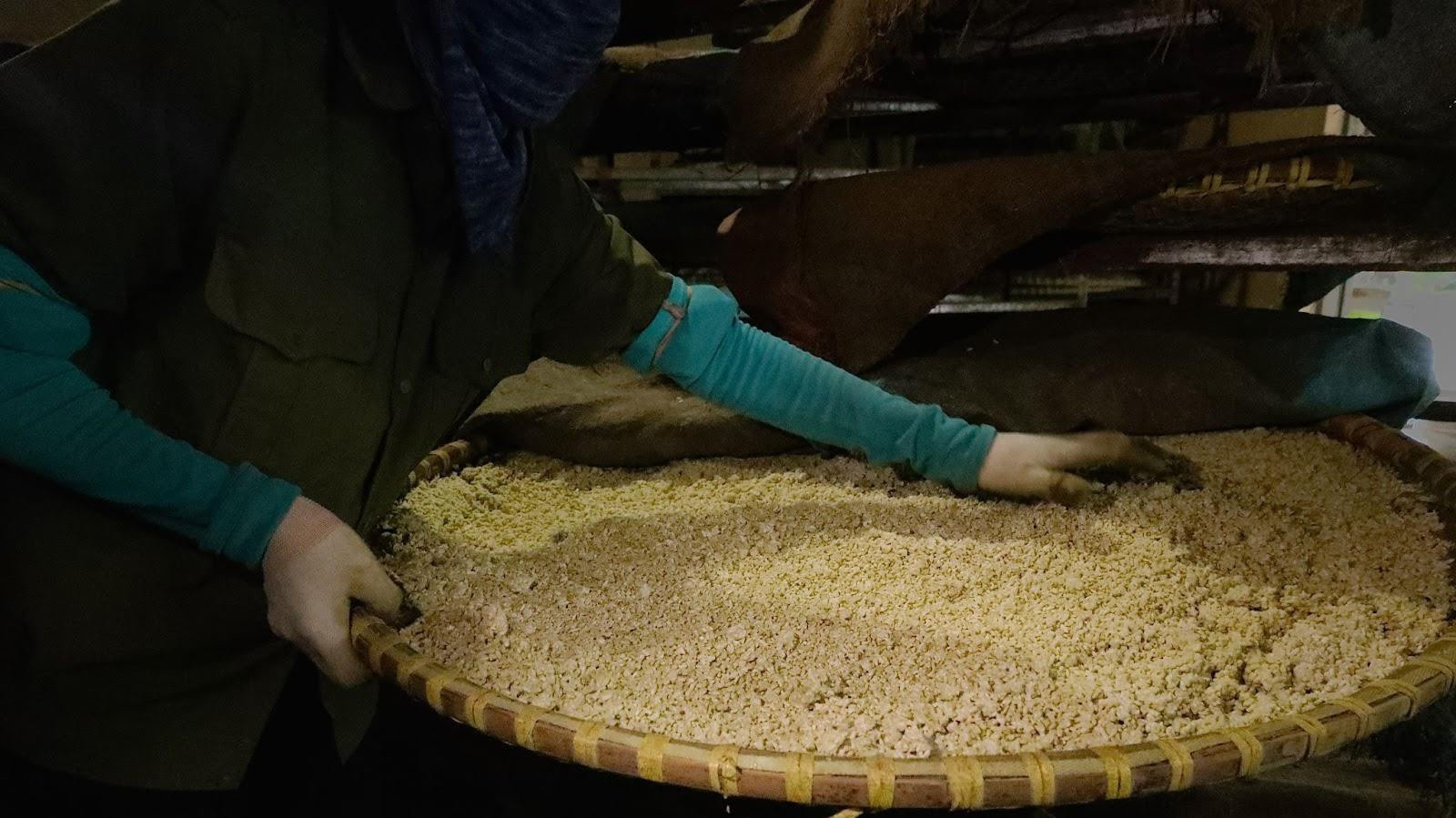
The final step is no less important, which is the fermenting and mixture of ingredients. When mixing ingredients, attention must be paid to the ratio of salt, water, and soybean mold to produce a delicious, sweet, fragrant, and rich final product
Especially, making sauce requires "good sunlight"; without it, the sauce will become musty, meaning it won't achieve the desired flavor. The people of Ban village usually make sauce from the third to the eighth of the lunar month each year because this is the time when the North receives the most sunlight. Also, the sauce needs to be stirred every morning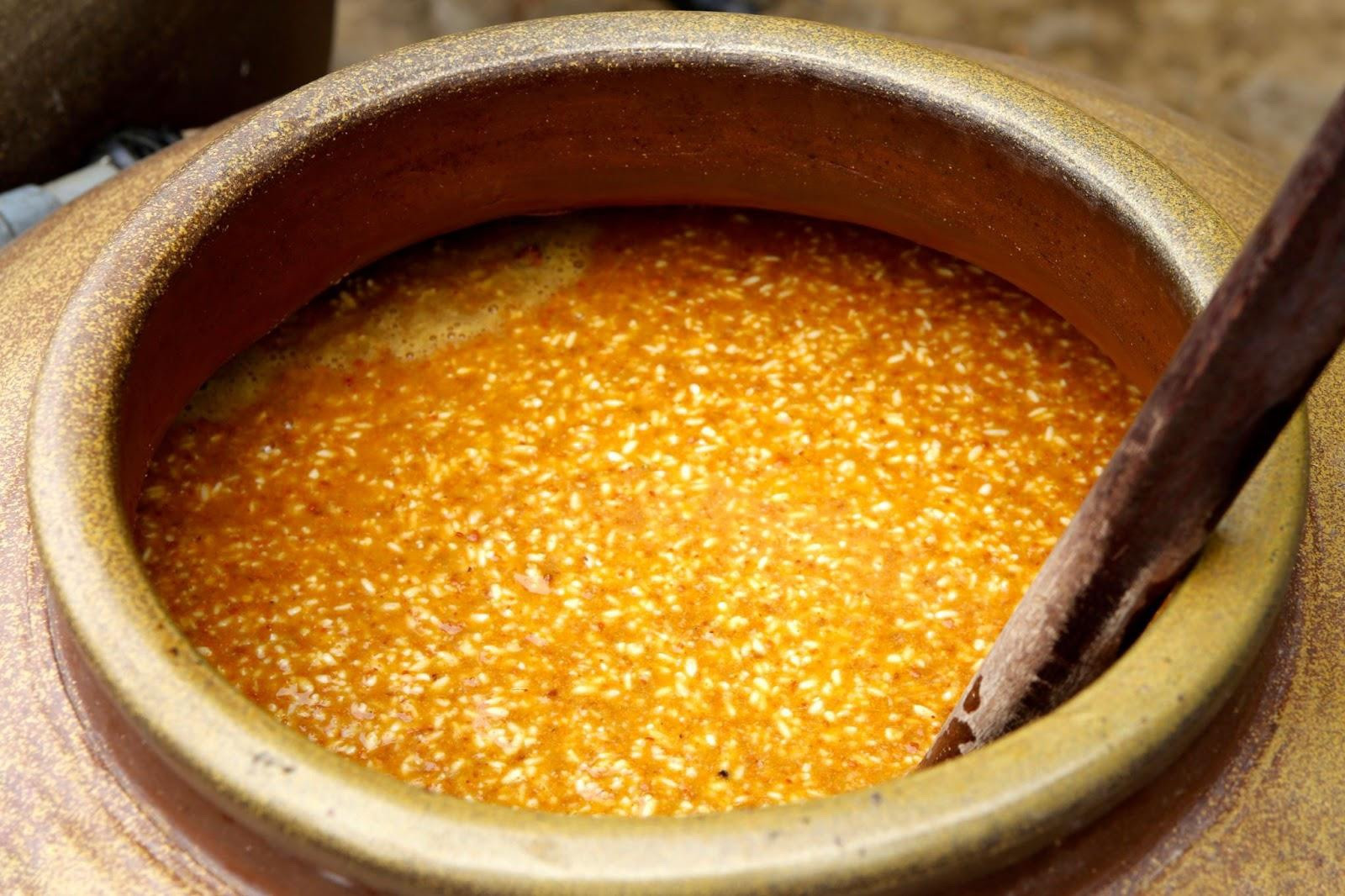
Perhaps the only thing that never changes is that to produce a batch of good, non-musty soy sauce, with just the right fermentation, requires the long-term experience, patience, and perseverance of the Ban sauce makers. Therefore, for the locals, Ban sauce is not just a dipping sauce but also a beautiful aspect of traditional culture. The locals share that: "Working hard and meticulously for days and nights is not to become rich but to preserve the traditional craft village
|
From the beginning of 2023, Ban village produces 100,000 soy sauce liters every month. On the months leading up to the Lunar New Year, the output and consumption increases by 20% compared to the average month.. |
|
Nguồn trích dẫn: baohungyen.vn
.jpg)
.jpg)
.jpg)