On spring days, from Hung Yen province, we had a chance to visit the national special relic- Son La prison. The documentary photos attached on the ancient mossy stone walls and the sentimental voice of the on-site guide evoke emotions as we saw the historic evidence of a heroic revolutionary struggle period and indomitable spirit of brave communists, specifically comrade To Hieu...
On spring days, from Hung Yen province, we had a chance to visit the national special relic- Son La prison. The documentary photos attached on the ancient mossy stone walls and the sentimental voice of the on-site guide evoke emotions as we saw the historic evidence of a heroic revolutionary struggle period and indomitable spirit of brave communists, specifically comrade To Hieu...
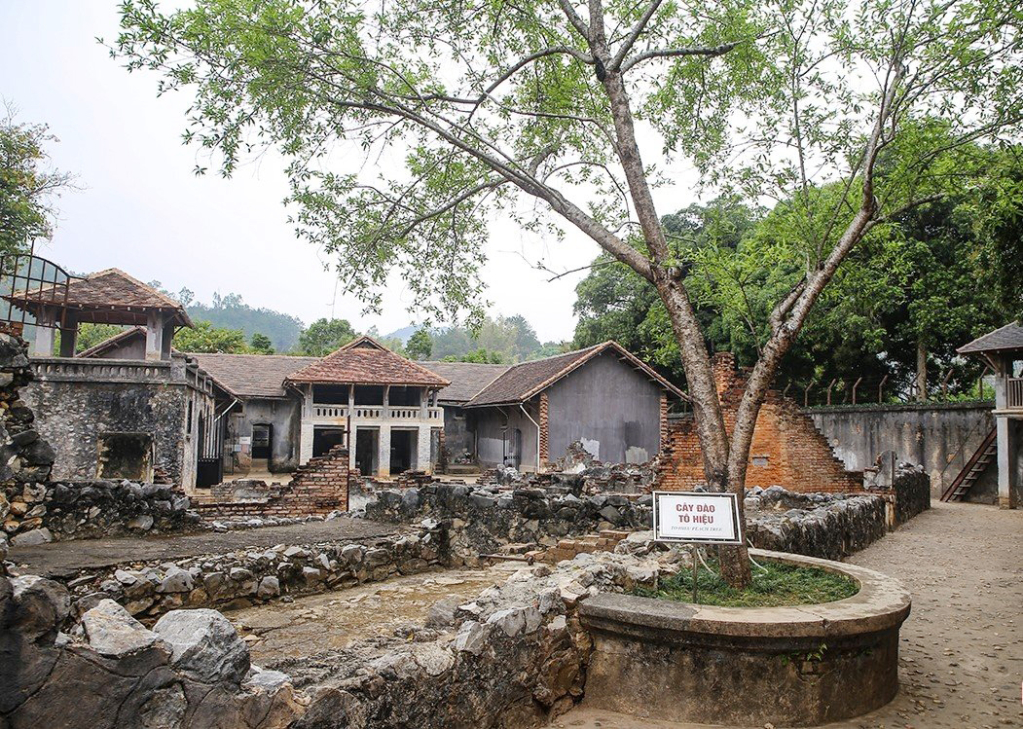
Son La prison national special relic
In 1908, French colonialists started to build Son La prison on Khau Ca top hill, now under the residential group 9, To Hieu ward, Son La city (Son La province). Undergoing 3 times of building and expansion, Son La prison spans over 2,184 m2. French colonists made this place into a "heel on earth" including works, namely the main gate and surrounding fences, the watch tower system, the punishment room system on the ground and under the ground and the prison common ground. Nevertheless, in this "hell on earth", the spirit of communists became brighter. This place sowed "the first red seeds" for the revolution movements in Vietnam, namely Truong Chinh, Le Duan, Van Tien Dung, Tran Quoc Hoan, Nguyen Luong Bang. Especially, Comrade To Hieu was considered the leader of the revolution movement in Son La prison.
Comrade To Hieu was born in 1912 into a poor Confucian family with a patriotic tradition in Xuan Cau village, Nghia Tru commune (Van Giang district). Participating in the revolution since young age, at the age of 18, he was arrested by the French colonialists and exiled to Con Dao. Released from prison, he continued his revolutionary activities. By the end of 1939, he was once again sentenced to 5 years in prison and exiled to Son La Prison. Here, the young communist To Hieu demonstrated his strong will and courage in the face of enemy torture, actively participating in the struggles against the prison guards. He was elected the Secretary of Son La prison party cell. He also wrote articles and prepared training materials for officials. He turned the enemy's prison into the school training many elite cadres for the Party.
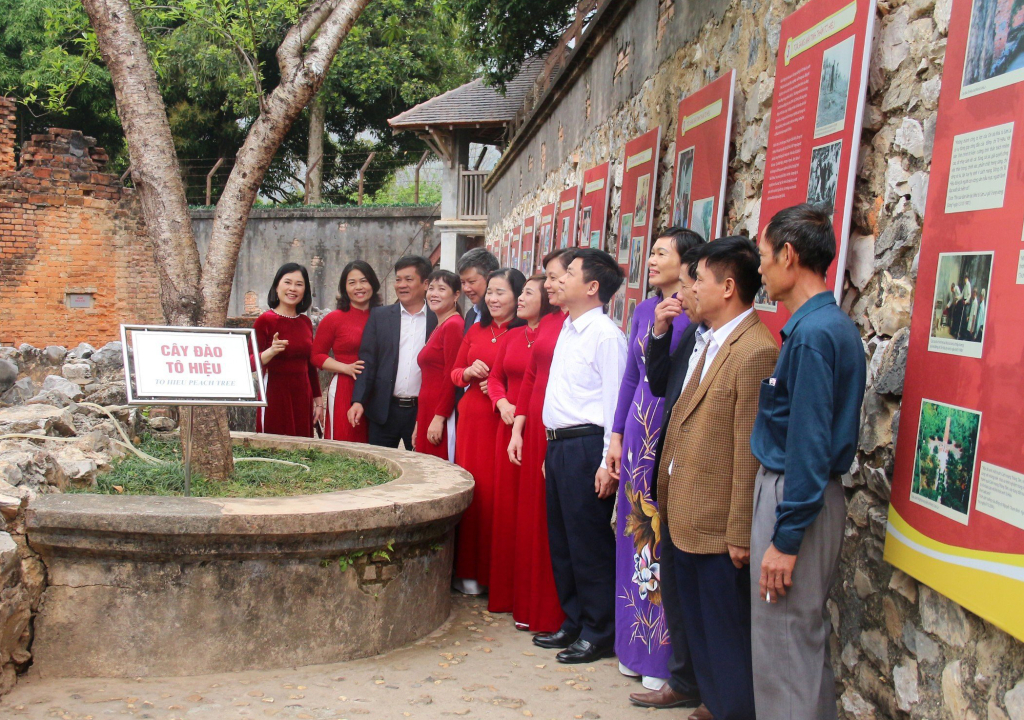
Tourists visit Son La prison national special relic
Ms. Lo Thuy Tien, the on-site guide at Son La Provincial Museum, does not remember how many times she has told the story of the contributions of the communist soldier To Hieu. Although she remembers every detail clearly, every time she leads tourists to visit, Tien always has special emotions. “Every time I introduce the story of To Hieu, I am very proud. That was when I told tourists and people about the indomitable fighting spirit of communist prisoners here, typically the example of To Hieu. Therefore, people who come to visit will have a deeper understanding and be more proud of their nation and the history of their homeland" - Ms. Tien said.
Turning back to history, at that time To Hieu was considered an extremely dangerous person having tuberculosis, so the French colonialists imprisoned To Hieu in a cell next to the patrol corridor. Hunger, cold, illness, and the brutal beatings of the enemy not only failed to crush the revolutionary will of the comrade, but on the contrary, they also strengthened his iron will. Even though tuberculosis ravaged his body, To Hieu still diligently wrote documents, imparted experience, and trained party members with the spirit of revolutionary optimism. He often sat on the cement platform, facing the wall with his knees pulled up against the chest to compress the wound in his lungs to ease the pain, writing documents while coughing, sometimes spitting up blood. Also on these days, from the rare drops of water in the dungeon, To Hieu planted a peach sprout right next to the corner of the cell.
On March 7, 1944, To Hieu breathed his last at the age of 32. He passed away, but his name and career are forever recorded in the glorious history of the nation, becoming a symbol of the "To Hieu spirit" of the typical generation of senior leaders. That spirit endures through the years, proving the immortality of a nation that has never succumbed to difficulties and challenges. To commemorate the beloved comrade, communists in Son La Prison carved a stele named "To Hieu" and secretly placed it under his grave. The peach tree that To Hieu took care of continued to be looked after by the remaining comrades, and bloomed beautifully every spring , sowing hope for the revolutionary future. Having undergone bomb raids by the French colonialists in 1952 and the American imperialists in 1965, Son La Prison was almost destroyed, but the peach tree remained intact as a witness of history, affirming strong vitality and stubborn will of communist soldiers. Later, the tree was named "To Hieu peach tree". Today, visitors would like to stand under the green canopy to remember a period of heroic struggle of the Vietnamese revolution.
On December 31, 2014, Son La Prison was recognized by the Prime Minister as a special national relic. Every year, this place welcomes hundreds of thousands of domestic and international visitors to visit, and becomes a red address to educate revolutionary traditions for the young generation. Comrade Ngo Thi Hai Yen, Director of Son La Provincial Museum, said: "To enrich the artifacts of Son La Prison relics, as well as the story of To Hieu, every year, we actively coordinate with Hung Yen province, relatives of To Hieu's family to collect and add more artifacts. Officials and guides also learned memoirs, articles, and statements of revolutionary predecessors and former political prisoners in Son La Prison to enrich materials and scripts to convey them to people and tourists.
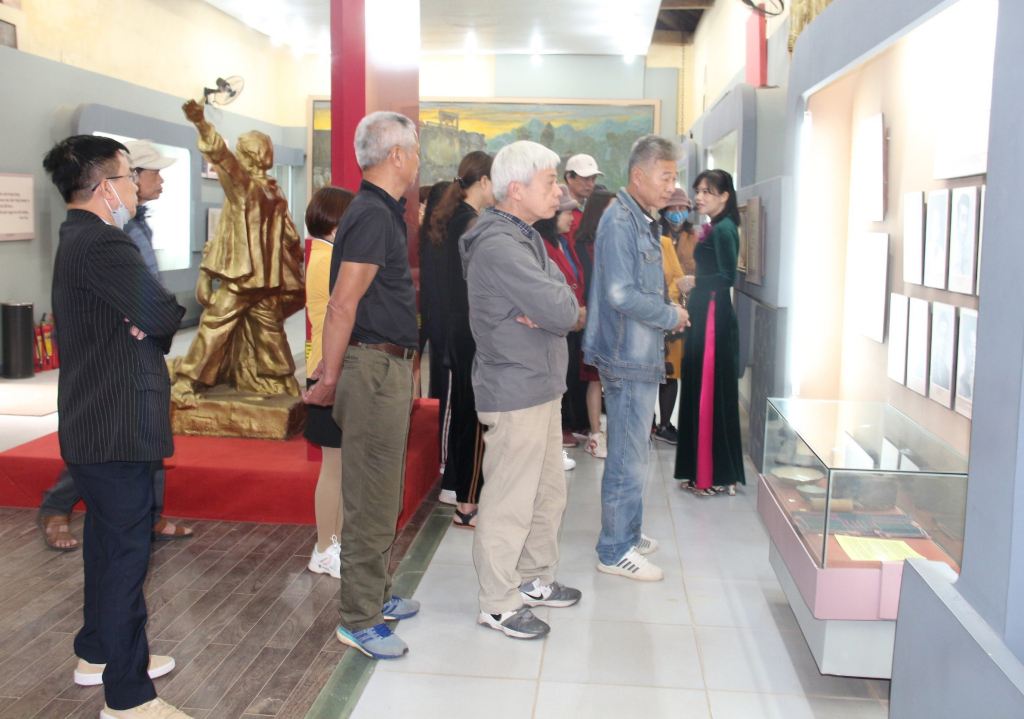
Visitors in Son La prison national special relic
Visiting Son La Prison and standing under the green canopy of To Hieu peach tree, our young generation seems to understand more about glorious history slices of the heroic, resilient, and indomitable struggle for independence and national freedom of loyal communist soldiers. To Hieu's example and spirit will be invaluable asset to the revolutionary cause of the Party and the Vietnamese people in general, and pride of Hung Yen homeland in particular.
Nguồn trích dẫn: baohungyen.vn
.jpg)
.jpg)
.jpg)