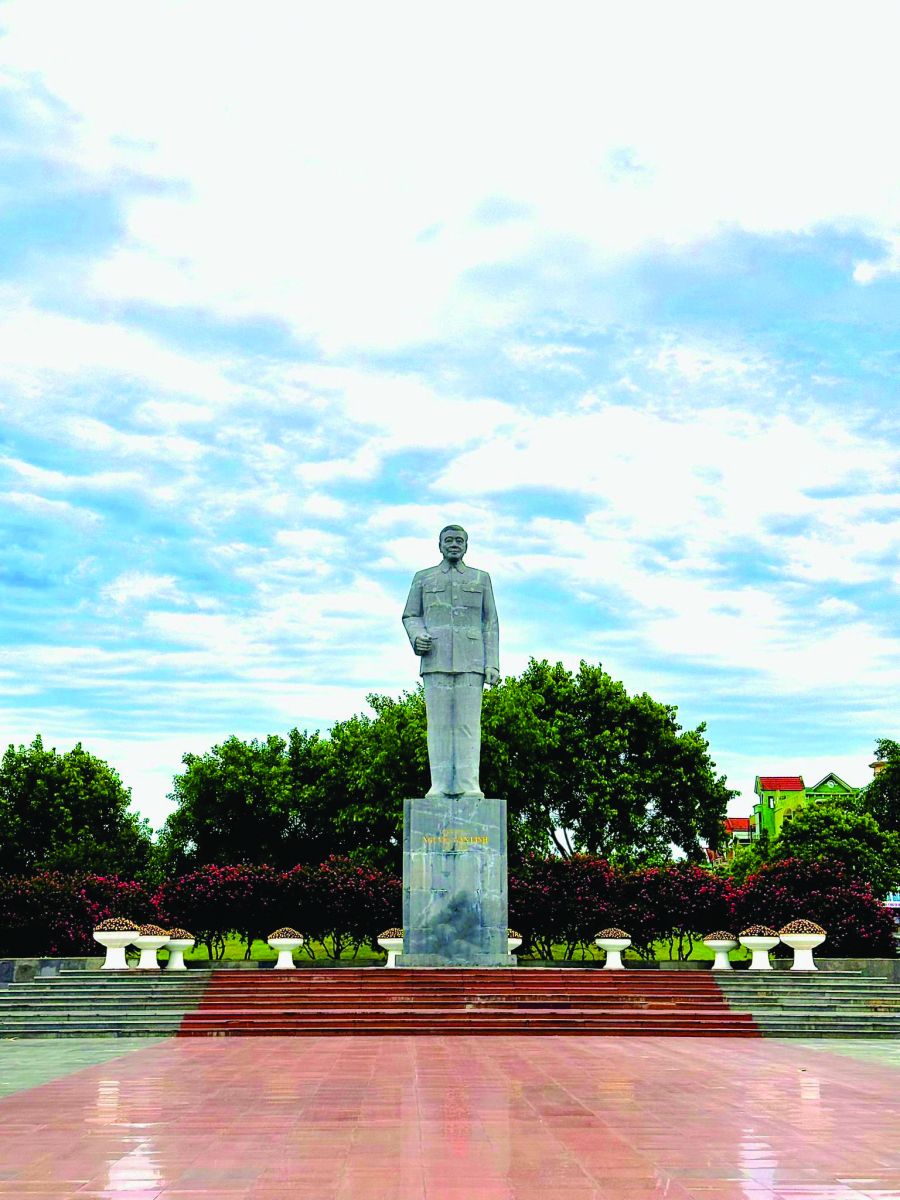
Professor, Academician Pham Huy Thong was a poet, historian, scientist, patriot and social activist. In any field he also had the role of a man who went to explore the opening steps. ...
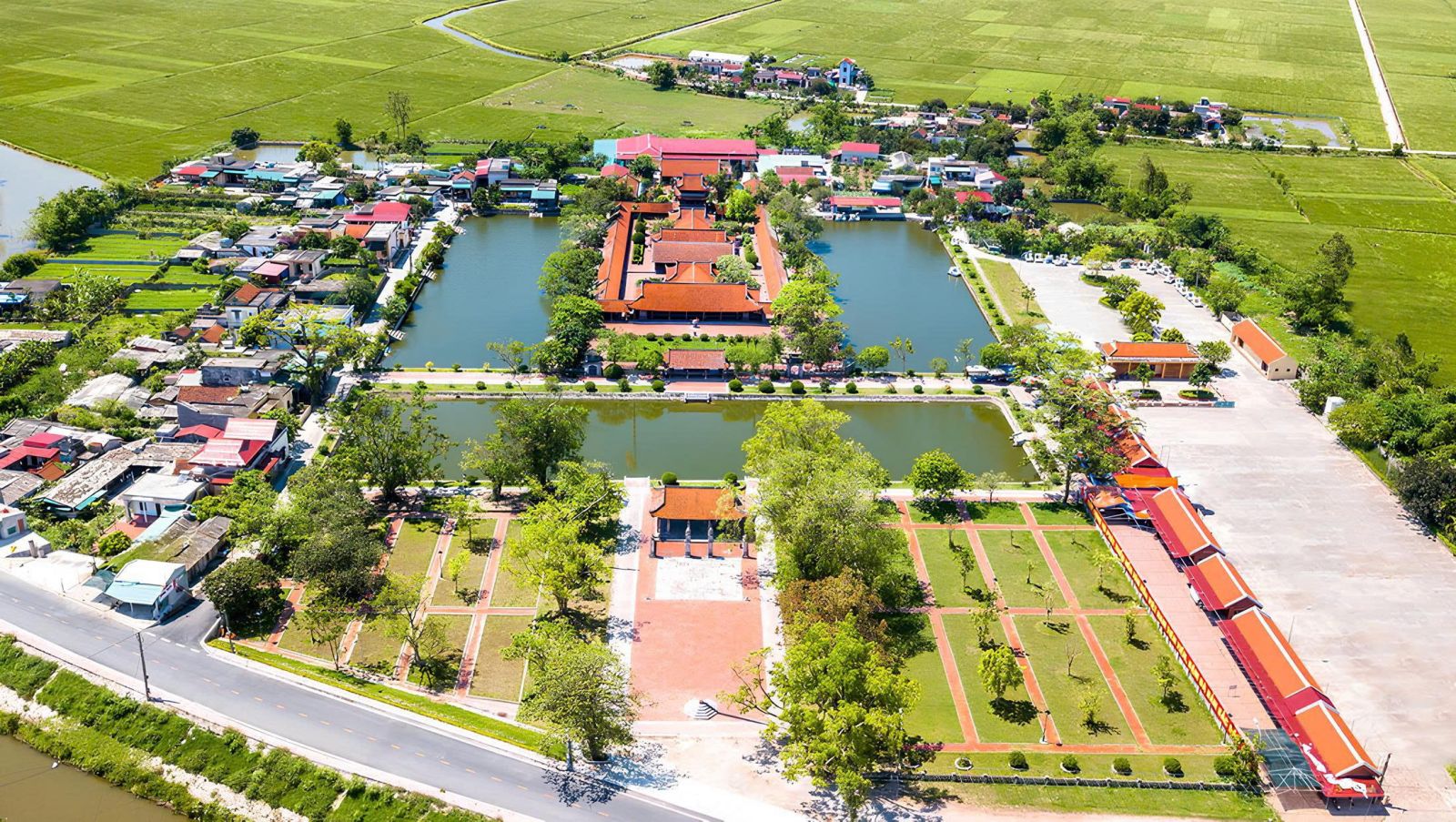
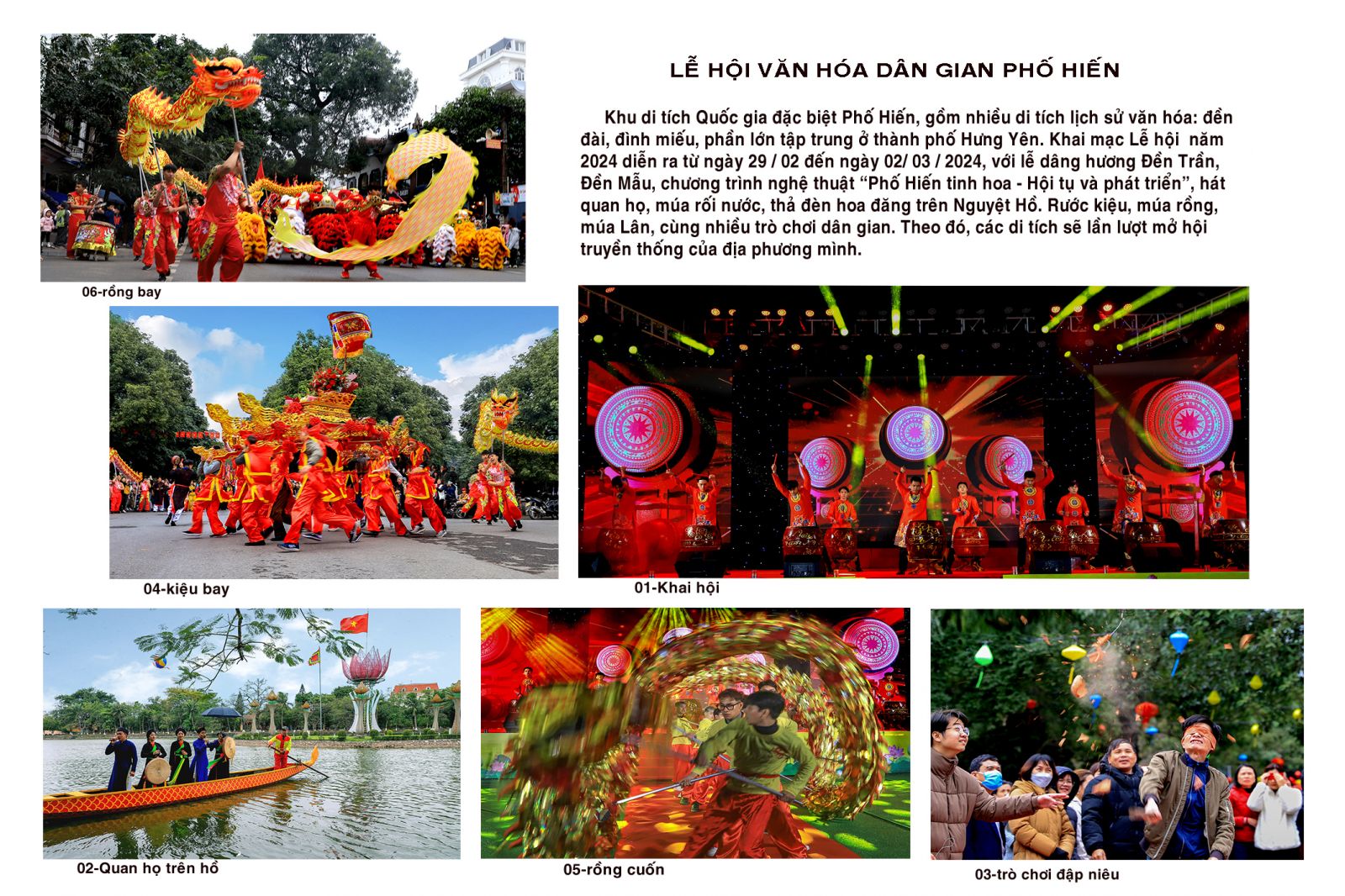
Pham Huy Thong was born on November 22nd, 1916 in a Confucian scholar family in Dao Xa village, Bai Say commune, An Thi district, Hung Yen province) His homeland is famous for its folklore and the once bustling chiếu chèo (chèo sedge mat) played on the yard of Communal Houses. We never know when but all the praises to Dao Xa homeland has sticked in our minds, the praises also become the pride of each person who has been far from homeland.
Dao Xa is the name of a village; Our village is the largest one which divided into three units; Our village is very famous near here; All families in our village making fans as well as trading all things; A lot of people go to school and to be candidates; Some were awarded the Doctor titles, some are honors.
With the homeland and family tradition, Pham Huy Thong had gotten the firm and basic background. At the age of 17, he achieved high school diploma, he got Bachelor of Law at the age of 20. From 1937 to 1945, he went to France for study, and then won degrees of Doctorate of Law, Doctorate of Literature and Master of Art (History- Geography major). During this time, he participated in Overseas Vietnamese Friendship Association in Paris and Toulouse. In 1946, he was selected as the secretary of Uncle Ho and secretary in Fontainebleau conference, and then the advisor for France-resident Vietnamese delegation and worked in the Overseas Vietnamese Association in France. In 1947, he was granted the title Professor by French government at the age of 31. In 1948 (or 1949 in some historical documents), he joined the French Communist Party and in 1952 he led the Oversea Vietnamese Association Also at that year, he was expelled from France.
Coming back to Sai Gon, he took part in peace movements. From 1952 to 1955, he involved in some political struggles and served as the General Secretary of the peace movement. Because of his involvement in these activities, he was arrested many times. In early 1955, he was under home arrest in Hai Phong. After the revolutionary army liberated Hai Phong, he was released He involved actively in mass organizations’ activities such as Vietnamese Fatherland Front, Socio-Cultural Committee of the National Assembly, Vietnam’s World Peace Protection Committee. He was also the Director of the University of Education (1956-1967), Deputy Director of Social Sciences and Humanities Committee and Head of Institute of Archeology (1968-1988).
With more than 40 years of working in science and social fields, he assumed many important positions in the field of politics and foreign relations. His academic knowledge and talent was the pride of Vietnamese science. In 1987, he was granted as the Academician of German Academy of Sciences.
At the age of 15-16, Pham Huy Thong knew how to compose literature, he also one of the first poets who opened the New Poetry Movement like The Lu and Luu Trong Lu. In the field of poem, he was famous in poetry and dramatic poetry. His poems had some identical characteristics and were affected significantly by Western romantic poetry in the nineteenth century. His poems were imprinted with the melody of magnanimity. Some of his works in Hanoi and Sai Gon newspaper in 1934-1937 received special attention of readers such as “Tieng dich song O”(The voice of enemy in the O River), “Con voi gia”(The old elephant), “Anh Nga” (Brother Nga)…
Most of his literature works were made in the early period of his adolescent age. With these works, he was recognized as one of talented poets in 1930s. In “Vietnam talented poets”, Hoai Thanh and Hoai Chan - literature critics - said that “Pham Huy Thong’s writing style was really extraordinary”. After 1955, he focused on historical research and archeology and contributed many academic studies on literature and history.
Pham Huy Thong studied a number of fields covering linguistics, history, archeology, traditional literature and the preface for books on traditional literature research, etc. He provided guidance to elaborate the Vietnamese grammar book, Franco-Vietnamese dictionary and some social research. When he was the Head of Institute of Archeology, he was in charge of some research on Hung King’s period, Vietnamese bronze kettle-drum and he also worked as Chief Editor of the Archeology magazine.
When he participated in international conferences on archeology in France, Australia, the US and Japan, his presentations on Vietnam’s archeology. He helped to improve the awareness of world scientists on Vietnamese archeology and received their high appreciation towards our achievements.
He died on June 23rd, 1988 in Hanoi. In recognition of the worthy contributions of Pham Huy Thong, the Government has awarded him first-class Independence Medal and many other noble medals.
In 2000, he was granted the Ho Chi Minh award for his archeology research (Con Moong, Dong Son bronze kettle-drum, and some works related to Hung Kings’ period).
.jpg)

.jpg)
.jpg)