Famous for its rice paddies and coastal craft villages, Thai Thuy commune (Hung Yen province) is also known for its traditional salt-making craft in Tam Dong village – a national intangible cultural heritage. For hundreds of years, the salt from this area has retained its salty taste of the sea and the warmth of human connection.
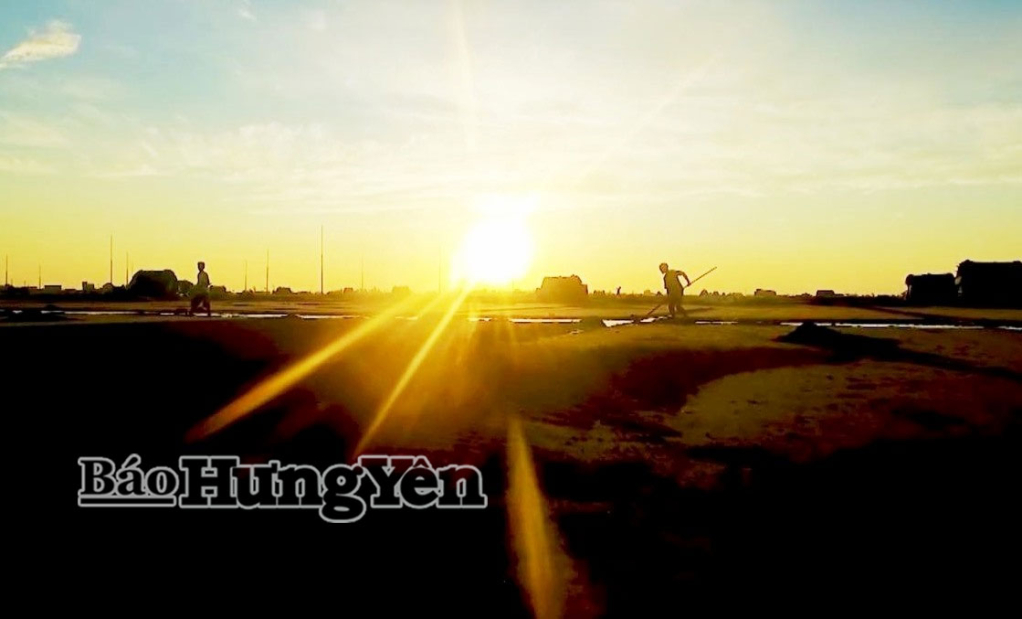
From early morning, salt farmers in Tam Dong village (Thai Thuy commune) go to the fields to produce salt.
Staying true to the profession.
We visited the salt fields in Tam Dong village, one of the centuries-old salt-making areas of this coastal region. Mrs. Bui Thi Doan was using a rake to gather crystallized salt into piles while chatting with us: "For hundreds of years, coastal residents have utilized seawater to make salt. To obtain salt crystals 'born' from seawater, the salinity must be high." But instead of relying on the salinity of seawater, the salt farmers of Tam Dong have found a unique way to increase the salinity of the sand by drying it. They channel seawater through ditches to the fields, then fill the small ditches interspersed within the "seed" sand fields with water, and also fill storage tanks. From the tanks, the water seeps into the "seed" sand beds that are spread out on the sand. At the end of each day, they collect the dried sand, filter it with seawater, let it settle, before drying it to make salt.
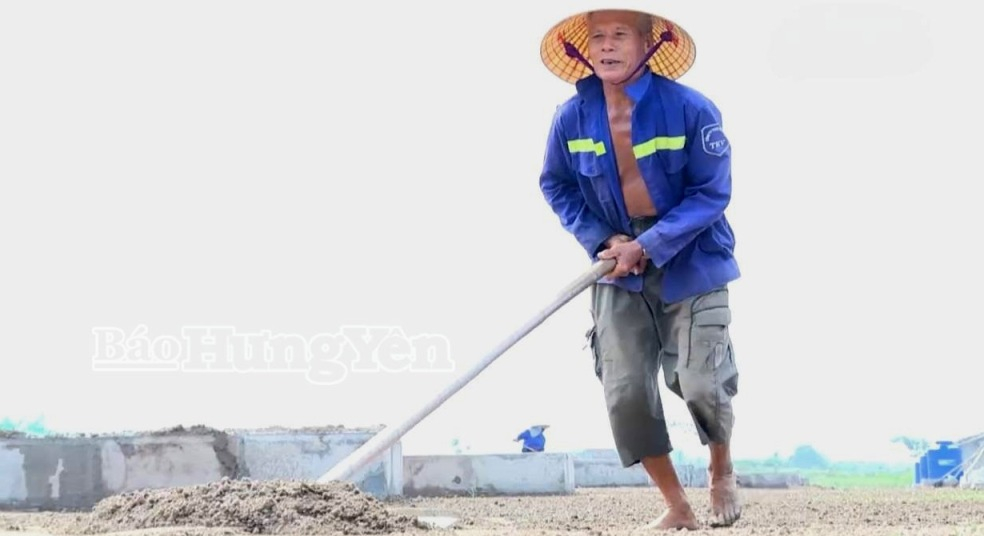
Mr. Vu Duc Lien (80 years old) still diligently works in the salt fields.
Mr. Vu Duc Lien shared: "The salt-making profession in Tam Dong has gone through many ups and downs for generations. There have been bitter times because of the low price of salt, but the salt farmers here have always held onto their profession, working hard in the salt fields under the sun. The locals still pass down the saying: 'From grandfather's generation to father's generation / There's a pile of sand being wheeled in and out' to describe the hardship of salt-making. Before bicycles, we had to walk to sell salt. Some days the sun was scorching hot, the heat rising from the road, the sun beating down from the sky, two heavy baskets of salt on our shoulders – fainting was common." Salt-making is an arduous and laborious profession, requiring "sweat and tears," yet it is the main source of livelihood for the workers in Tam Dong village. Salt farmers, some aged 60-80, still diligently work in the fields drying sand and making salt. This is not only a means of livelihood but also a way to preserve the traditional cultural values of the village.
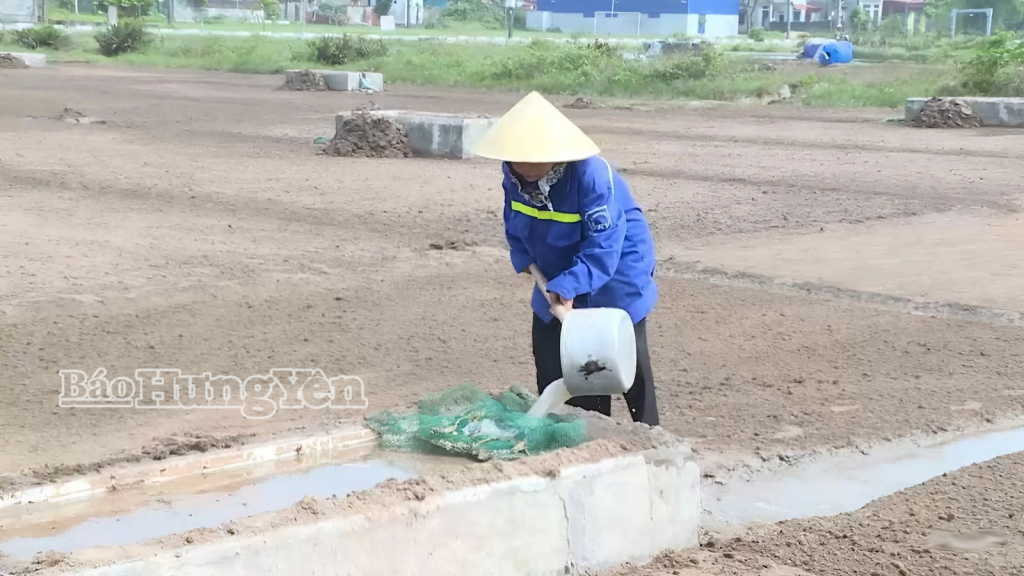
Scooping seawater into settling tanks is one of the traditional salt-making processes in Tam Dong village.
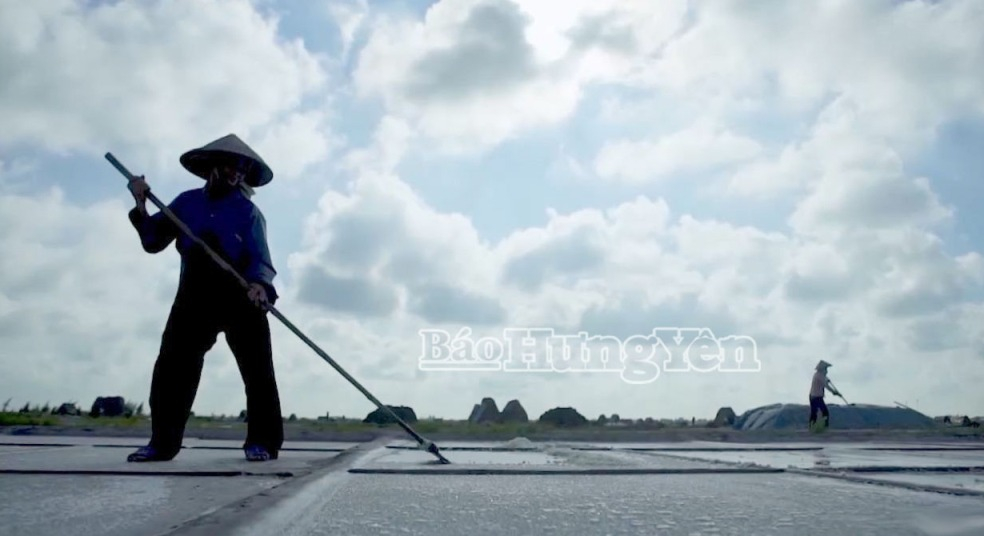
Despite facing many ups and downs, the elderly people of Tam Dong village (Thai Thuy commune) still work to maintain the salt-making profession.
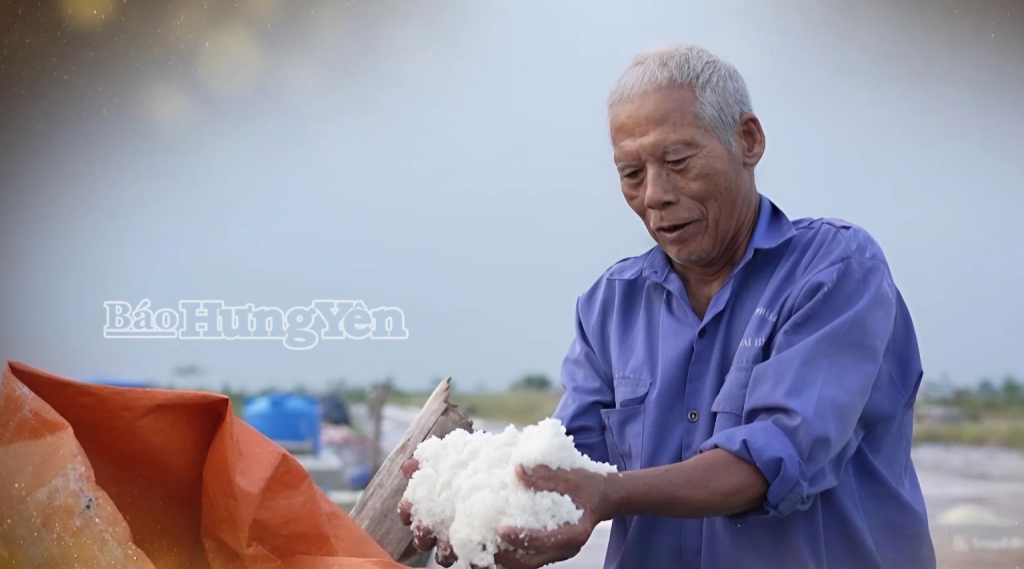
The rich, salty taste of salt from the salt farmers of Tam Dong village (Thai Thuy commune).
"Paving the way" for Tam Dong salt to reach further.
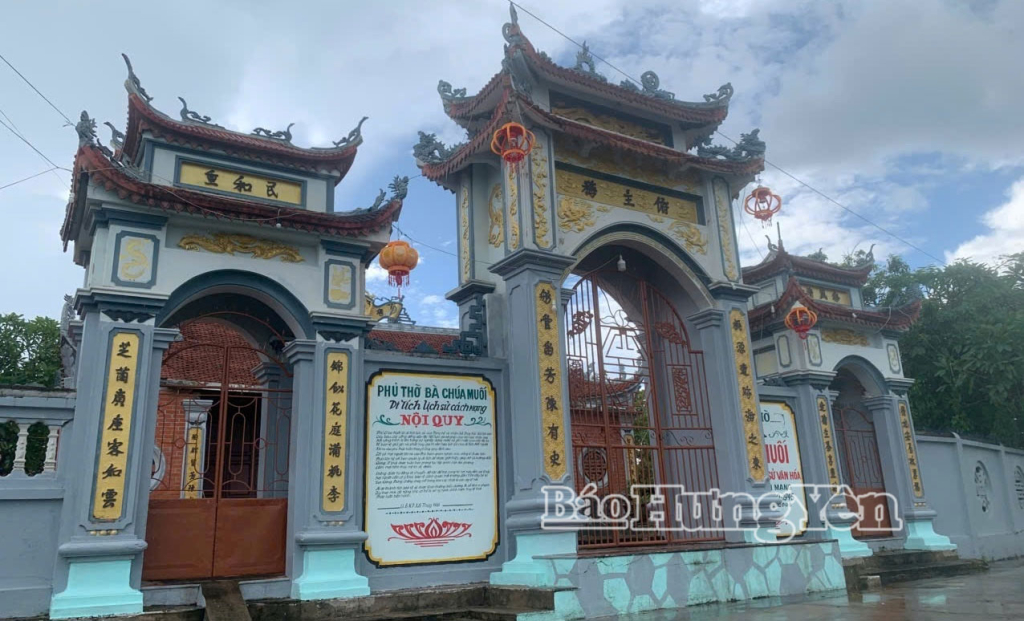
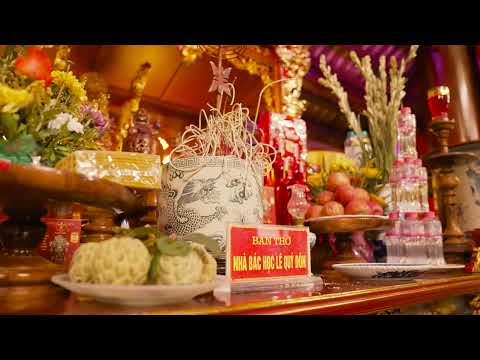
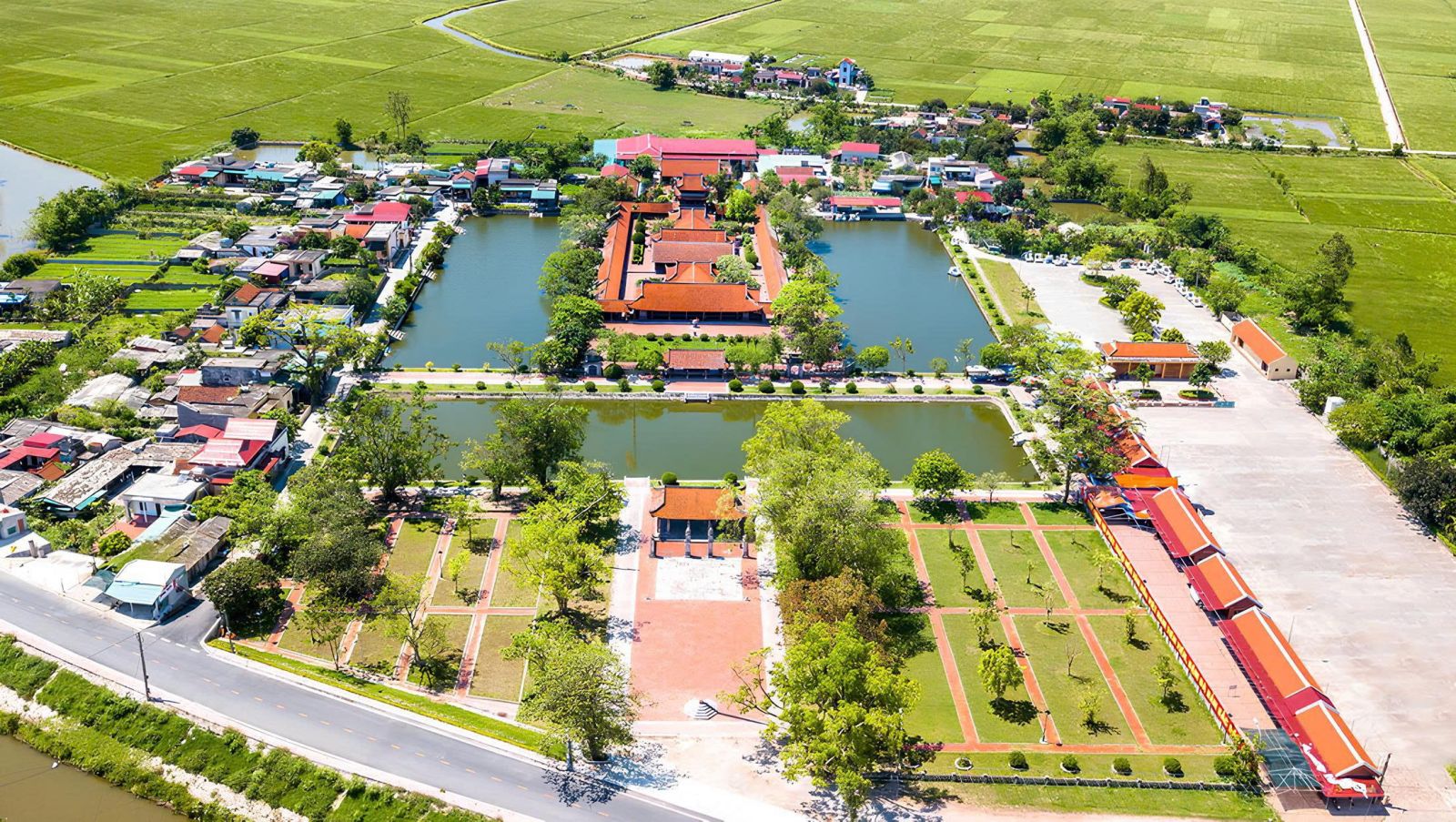
The shrine dedicated to the Goddess of Salt is located in Tam Dong village (Thai Thuy commune).
The salt-making industry in Tam Dong is developing in conjunction with cultural and spiritual tourism, linked to the legend of the Salt Goddess. According to legends and folk records, the Salt Goddess was Tam Phi Nguyen Thi Nguyet Anh, wife of King Tran Anh Tong. She was instrumental in preserving and developing the salt-making industry in this area and is revered and worshipped by the people as the benevolent deity of Tam Dong village – a goddess who brings blessings, peace, and prosperity to the people. Every year, on the 14th day of the 4th lunar month, the villagers hold the Salt Goddess Festival. During this festival in Tam Dong village today, an indispensable offering to the Salt Goddess is salt – a product associated with the Salt Goddess's childhood, as still remembered in legend. The firm, iridescent Tam Dong salt is packaged in small bundles and arranged on the altar like a platter of five fruits to offer to the goddess. The recognition of salt-making in Tam Dong as a National Intangible Cultural Heritage not only affirms the unique cultural value of the locality but also contributes significantly to the preservation and development of the craft village.
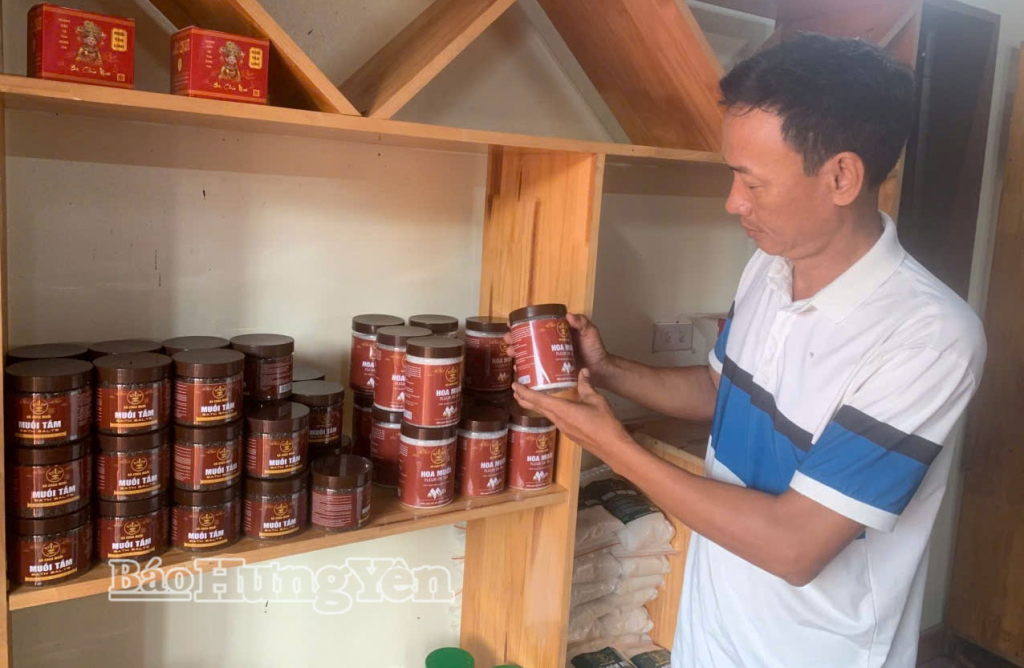
Dai Dong Cooperative (Thai Thuy commune) collaborates with several businesses to organize the production and sale of salt for salt farmers.
Tam Dong salt is produced using the traditional method of Northern Vietnam, which involves the osmosis of saltwater through sand. This method preserves many vitamins and minerals, resulting in low salt concentration (17-20%) and over 60 trace elements beneficial to human health. It can even be used as medicine due to its composition of 12 different types of salts. For the salt farmers here, salt is not just a spice; it's also a blessing, a vessel for their wishes for a prosperous and abundant new year. The salt is now packaged in small, attractive red bags, adding to the meaning of wishing for a year filled with good fortune. These bags of salt bring joy to the sellers, symbolizing a successful year of business, and also serve as a place for buyers to entrust their hopes and wishes.
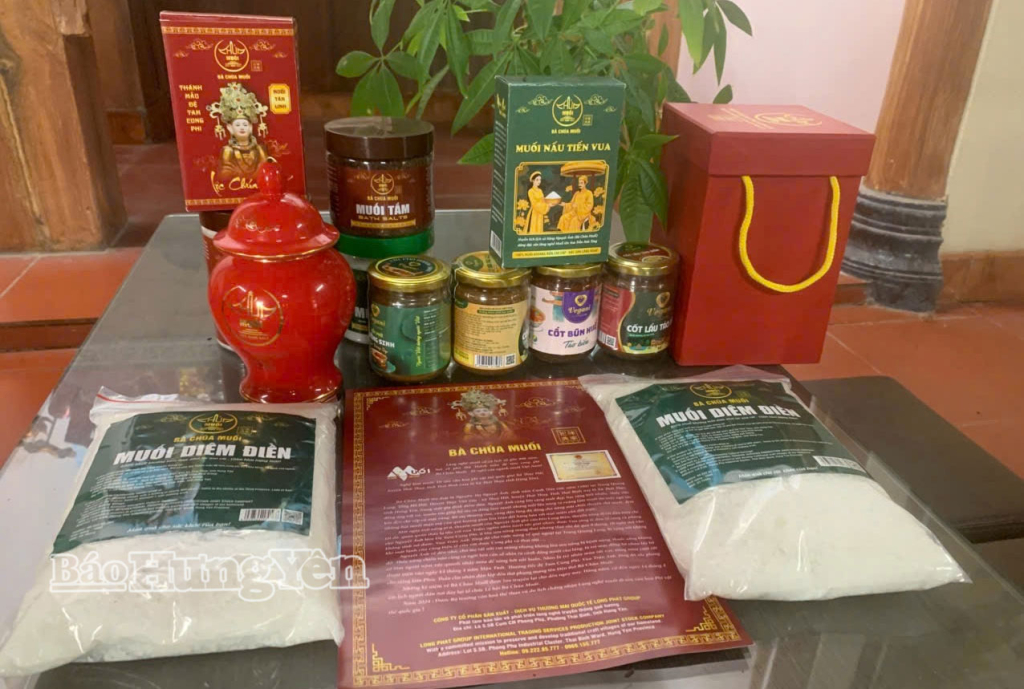
The salt produced by salt farmers in Tam Dong village now offers a diversified range of products for consumption both within and outside the province.
Mr. Nguyen Trong Bang, Director of Dai Dong Cooperative (Thai Thuy commune), said: To date, the planned salt production area is 50 hectares, with 60 households in Tam Dong village maintaining salt production on an area of 8 hectares. Salt production reaches 400-500 tons per year. To "pave the way" for Tam Dong salt to reach further, the cooperative focuses on improving and upgrading salt field infrastructure; applying science and technology in salt production and processing, increasing productivity by at least 30% for specialized salt products to coordinate and develop with spiritual tourism and the Phu Ba Chua Muoi festival; The cooperative has partnered with several businesses to expand salt production, supplying markets both within and outside the province. To date, the cooperative produces four main products: spiritual salt, priced from 800,000 to 1,000,000 VND per 400g jar; roasted and ground salt, priced from 18,000 to 20,000 VND per 400g jar; seasoned salt, priced from 25,000 to 30,000 VND per 400g jar; and foot soak salt, priced at 150,000 VND per 300g jar.
Amidst the hustle and bustle of modern life, the Tam Dong salt fields still gleam white under the sun. From the salt of their homeland, Tam Dong is forging a new direction: connecting heritage with spiritual tourism, transforming the traditional salt-making craft into a unique cultural product, and contributing to sustainable local economic development.
Nguồn trích dẫn: baohungyen.vn
.jpg)

.jpg)
.jpg)