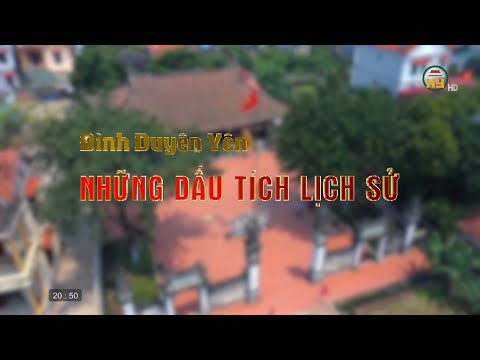
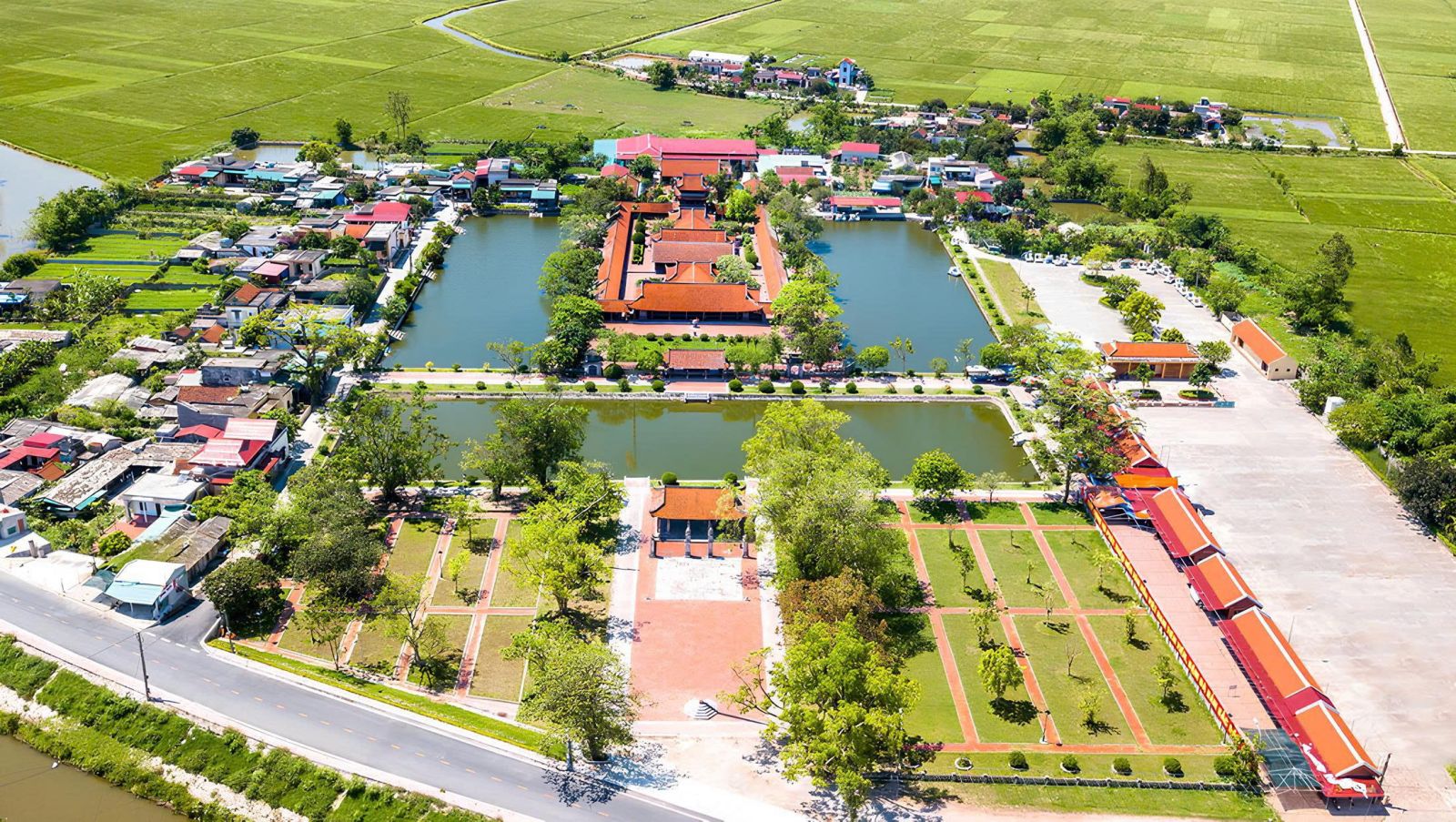
Ne Chau pagoda is literally called Thuy Ung Tu (Thuy Ung pagoda) which was built in the former Le dynasty (10th century). Legend has it that as Le Hoan’s troops were garrisoned in Ne Chau to fight against Tong's enemy, he had a pagoda built...
As the pagoda was finished, Le Hoan said that the pagoda would belong to whoever could affort the wages for builders. Thanks to the support of Mrs. Nguyen Thi Ngoc Thanh’s family ( Ne Chau’s villager), Ne Chau villagers mobilized enough money to cover the expenses so that the pagoda belonged to their village. Undergoing 10 centuries, the pagoda was renovated many times. In 17th century, the pagoda was overhauled. In 1926, it was renovated but the architecture of 17th century has been preserved up till now.
Recognizing her beauty, Le Hoan got married to Ngoc Thanh. During that time, she had tremendous assistance for Le Hoan’s troops defeating Tong’s enemy. She helped the troops with hiding the food and washing clothes. After defeating the enemy, Le Hoan came to the crown. As Ngoc Thanh had no children and her parents were weak, she asked the King for her to stay in her hometown. Le Hoan agreed and sent the 9th child named Le Long Kinh ( or Trung Quoc dai vuong) to take control of this land and take after Ngoc Thanh. After her death, the King built the temple that was opposite to Ne Chau pagoda and conferred her with “Ngoc Thanh Hoang hau”.
The pagoda was renovated many times. The latest time was in 2005 in the framework of 2nd phase renovation project of ancient Pho Hien relic. This time, the pagoda was renovated as the original design of square structure inside and I-shaped outside (Noi cong ngoai quoc) with many works such as Tien duong, Thuong dien, and two corridors.
Tien Duong is 15 meters long with 7 rooms. In two ends of Tien duong, there are 2 bronze poles which are 3.5 meters high with two 'Con nghe" facing each other. In the middle of the roof, there are 3 Chinese words ‘Thuy Ung Tu’. All the decoration patterns on Tien Duong are carved two dragons watching the Moon, flowers and leaves that are permeated with Le dynasty's culture.
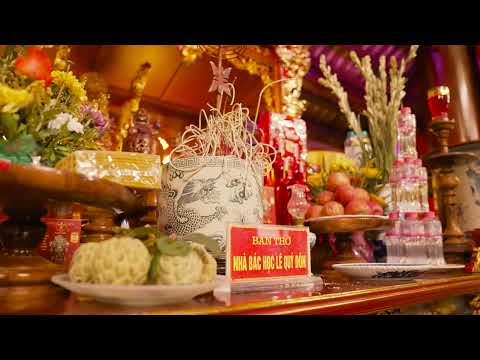
Next to Tien duong is Thuong dien which is 12 meters long, 5 meters wide with the similar architecture to Tien duong's. Inside Thuong dien, there are worship statues with skillful architecture out of which the outstanding antiques are Tam The and Tuyet Son statues that were made in 18th century. Tam The statues are made of wood on the lotus pedestal in the sitting position with the smiling face. Faces of the lotus pedestal are carved flowers and leaves with some Buddhist stories. It is noticeable that three Tam The statues are leaning in a wooden leave that is like the ancestral tablet. Unlike Tam The statues, Tuyet Son is carved in the position of wondering, two arms embracing the knees. They are two ancient statues made in Le's dynasty that are the embodiment of Duc Phat Thich Ca during the period of training on Tuyet Son mountain.
Two symmetrical corridors of the pagoda display hundreds of statues sitting in different positions and carrying different faces that sketch all stories of Buddhism. In 1992, Ne Chau pagoda was acknowledged as the National historical and cultural relic by Ministry of Culture and Information (now called Ministry of Culture, Sports and Tourism). Every year, Ne Chau pagoda often holds worship rituals on January 15 and August 15 on the Lunar calendar in order to commemorate the birthday and death anniversary of Mrs. Nguyen Thi Ngoc Thanh. On September 10 (on the Lunar calendar), people celebrate the death anniversary of Trung quoc dai vuong Le Long Kinh. In addition, Buddhist major festivals such as Phat Dan, Vu Lan are held solemnly in the pagoda that draws a large number of residents.
.jpg)

.jpg)
.jpg)