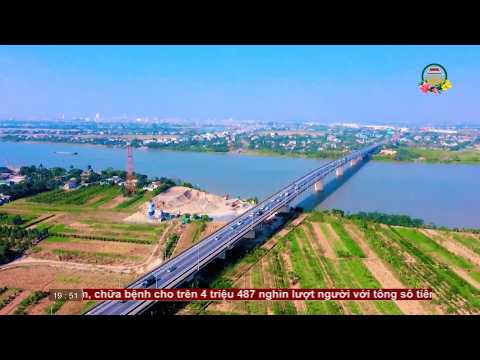
1. Location Van Giang District is located in the northwest of Hung Yen Province, located in the Red River Delta, on the left bank of the Red River, near Hanoi. It borders Khoai Chau district to the South, Yen My district to the Southeast, Gia Lam district to the North and Hung Yen district to Van Lam district. Flowing along the border with Van Lam District is Bac Hung Hai River. Red River is the natural boundary of Thanh Tri District and Thuong Tin District. The natural area of Van Giang distri...
2. Natural conditions
Location and climate
Location: Located in the center of Red River Delta, the district is relatively flat. Located on the banks of the Red River, undergoing 18 years of dike breaking in Tu Duc dynasty, height of land in the district was uneven and different high and low strips creates land in wave form. High land is in Xuan Quan, Me So, Lien Nghia, Thang Loi, Cuu Cao and Van Giang town. The land turns low in Phung Cong, Long Hung, Tan Tien, Nghia Tru and Vinh Khuc communes.
Van Giang has the advantage of developing a variety of agricultural products for the market inside and outside the district, while also has the potentials for urban development.
Climate: Van Giang has a tropical monsoon climate with 4 distinct seasons. However, the temperature between the seasons does not differ much (monthly average is 23degree celcious). The rainy season lasts from May to October; the temperature fluctuates from 25-28 degree Celsius monthly. Dry season is from November to April next year, the temperature range from 15-21 degree Celsius. Average annual sunshine hours are about 1,450 hours, average rainfall level is 1,575 mm, and average evaporation is 886 mm. Humidity of air is within 80-90%.
It can be said that the climate is very convenient for Van Giang to develop agricultural production, intensive cropping, restructuring of plants and animals.
River
There are some rivers flowing through the province, namely Bac Hung Hai River and small rivers such as Nguu Giang River, Dong Que River, Tam Ba Hiep River, which supply water for irrigation, production and people's life.
3. History and development
Thousands of years ago, in the Bronze Age, ethnic minorities in the Northern Midlands migrated down the Red River delta and land of Van Giang district today to open villages and set up hamlets. In Van Lang - Au Lac society, the population became crowded, life is increasingly prosperous.
Prior to 1945, Van Giang was in Bac Ninh province. During Hung King, Bac Ninh belonged to Vu Ninh, Van Lang - Au Lac society. Under Ly dynasty, this area was renamed Bac Giang. The land was separated into Bac Giang and Lang Giang. Under Le Thanh Tong dynasty, Bac Giang highway was renamed Kinh Bac and Van Giang was called Te Giang. Since 1831, Van Giang is located in Bac Ninh province. After times of merger and territorial changes, on September 1, 1999, implementing Decree No. 60 / NĐ-CP dated July 24, 1999, Van Giang district was officially established.
Since then, Van Giang officially became an administrative unit of Hung Yen province. Van Giang district is the district town of Van Giang (established on May 14, 1999 on the basis of former Van Phuc commune) and 10 communes: Cuu Cao, Lien Nghia, Long Hung, Me So, Nghia Tru, Phung Cong, Tan Tien, Thang Loi, Vinh Khuc, Xuan Quan. Nghia Tru and Vinh Khuc communes were moved from the old My Van district of Hai Hung province.
Van Giang people is hard-working, constantly striving to conquer nature, reclaim land, expand farming, build houses and set up villages. Due to the needs of society, water management and trade exchange, Van Giang people are really close to each other. In eighteen consecutive years (1871 - 1889) Van Giang dyke broke out, the villagers fell into poverty. Due to the spirit of solidarity, people here have overcome all the challenges together and created the village more prosperous.
Residents of Van Giang have the belief in gods, national heroes having great contribution to the country in the struggle to protect the village. This is home to the legends of the romantic love of Princess Tien Dung with Chu Dong Tu. There are temples dedicated to General Trieu Quang Phuc and famous Khong Minh Khong who has treated diseases for the royal family and the legend of the river Kim Nguu in Ly dynasty.
As a cultural land, almost every commune in Van Giang has talents. In 825 years (1075 - 1901), Van Giang Confucians won the highest ranks in the exams at Khong san Trinh. Kinh Bac area had 700 people, in which Van Giang had 72 people, accounting for more than 10%. Today, the tradition continues to be promoted by the enthusiasm of the next generation.
Patriotic tradition in the fight against foreign invaders is also a prominent feature of people here. In the struggles against forces in the North, Van Giang people had fought fierce battles and marked glorious victories. The patriotic tradition was inherited when French colonialists invaded the territory. Many Van Giang youngsters eagerly participated in the national liberation movement. Typical character was Duong Ba Truc in the movement of Dong Kinh Nghia Thuc, To Chan (replaced Nguyen Thai Hoc) commanded the activities of the Vietnam Nationalist Party.
But only after the Communist Party of Vietnam was established, many talented youngsters, representing a whole generation of communists from Van Giang, adorned the traditions of the country with many heroes such as Nguyen Huu Can, To Hieu, Le Van Luong. Under the leadership of the Party, people of Van Giang had taken the government. In October 1945, Van Giang's first Party cell was formed. In two wars against the French colonialists and against American imperialism, 5,000 youngsters of this land traveled throughout the battlefields in the spirit of "Going withTo Hieu", “indomitable Van Giang - heroic Quang Tri ". Many people never returned, but their spirit is still alive.
The heroic tradition of Van Giang is being preserved and honored by generations. New pages of history, development and integration are opening up with new challenges and opportunities.
4. Administrative units
There are 11 administrative units, including 10 communes and 1 town with a total area of 71.79 km2, specifically:
The administrative area of Van Giang is 6.84 km2
The administrative area of Van Giang is 3.51 km2
The administrative area of Cuu Cao is 4.4 km2
The administrative area of Phung Cong is 4.89 km2
The administrative area of Long Hung is 8.49 km2
The administrative area of Lien Nghia is 6.15 km2
The administrative area of Lien Nghia is 9.92 km2
The administrative area of Thang Loi is 4.84 km2
The administrative area of Me So is 6.64 km2
The administrative area of Nghia Tru is 8.12 km2
The administrative area of Vinh Khuc is 6.19 km2
5. Society and economy
Agriculture:
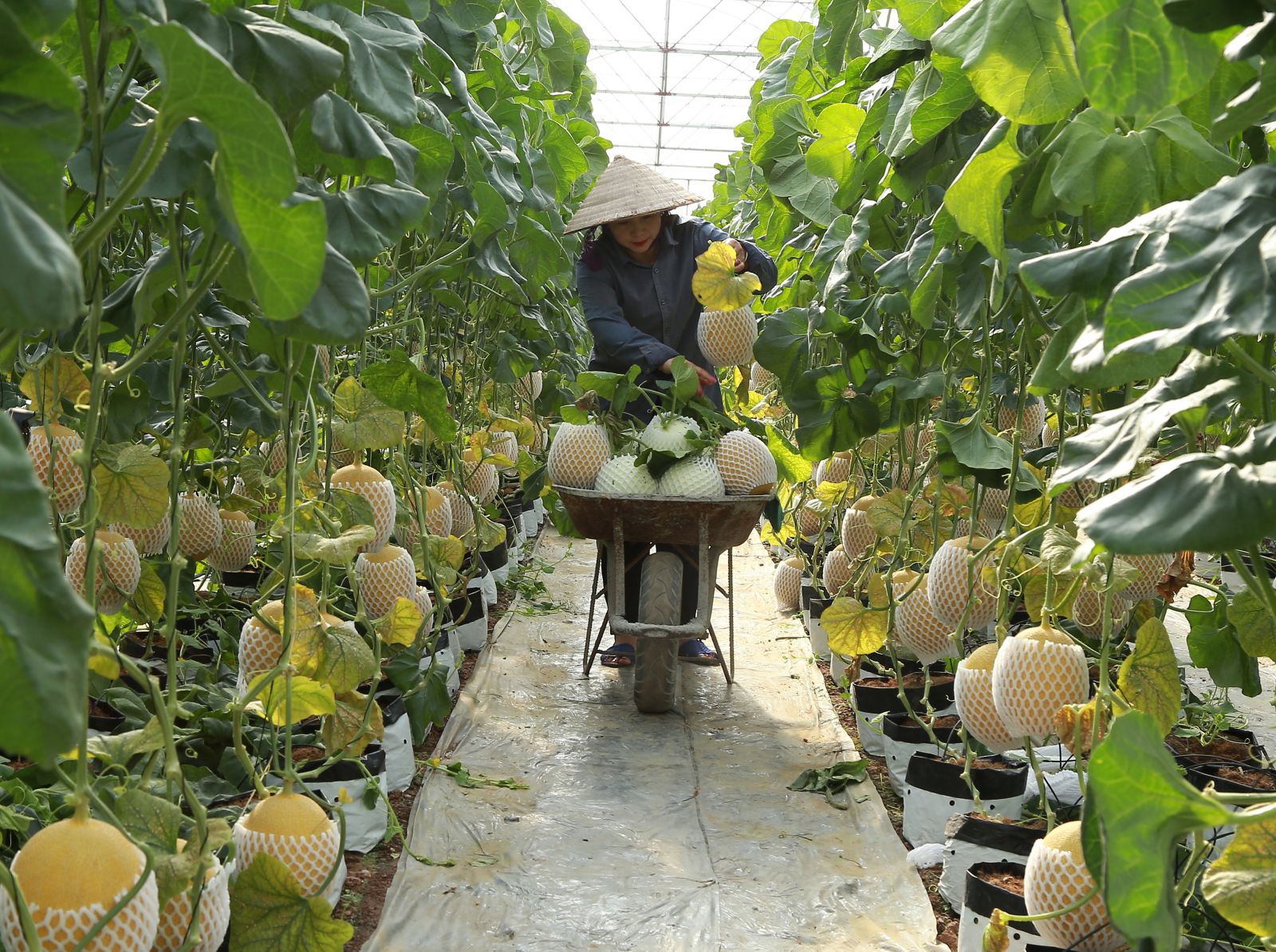
At present, Van Giang agriculture ranks in the top of the province, people are gradually getting rich. Thanks to strategic vision on the basis of applying guidelines and orientations of the Central policies creatively and flexibly, the province firmly grasps the actual situation of the local and takes advantage resources from inside and outside to create the concentrated production areas of in the direction of commodity production such as special rice cultivation areas and seed varieties.
Districts and localities have close links with many application centers, research institutes on cultivation and husbandry to regularly invite leading experts from the central government to give instructions and knowledge of agriculture and cooperate with farmers into joint ventures to consume products.
Given the area of agricultural land decreased due to the process of industrialization and modernization, the value of agricultural production continued to grow higher over the years, up 3, 4 % compared with the previous year. The areas of flowers, bonsai and fruit trees yield from VND 300 to 500 million. Livestock and poultry raising, and aquaculture are increasing rapidly and accounting for a large proportion in agricultural production.
The district is on the same page with the country in the process of industrialization and modernization. The district not only focuses on fast development and effective agriculture, but it also promotes the development of industry and crafts and trade and services with the spirit of initiative to catch up with the opportunities, promote the advantages of suburban district,
As a result, in such a short time, many traditional trades in the district have been restored and developed well, which creates income and many other occupations derived from agricultural products such as: meat dishes in Me So, Phung Cong bread, Cuu Cao glutinous rice cake. These dishes have survived for many years and favored by tourists.
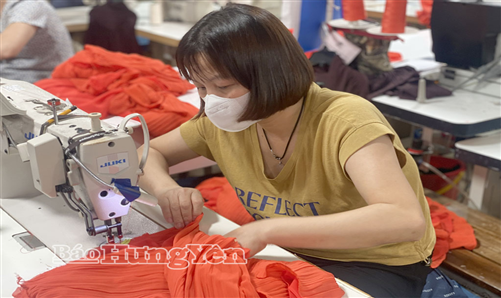
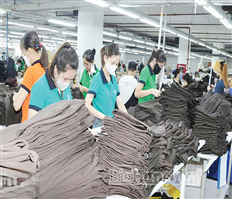
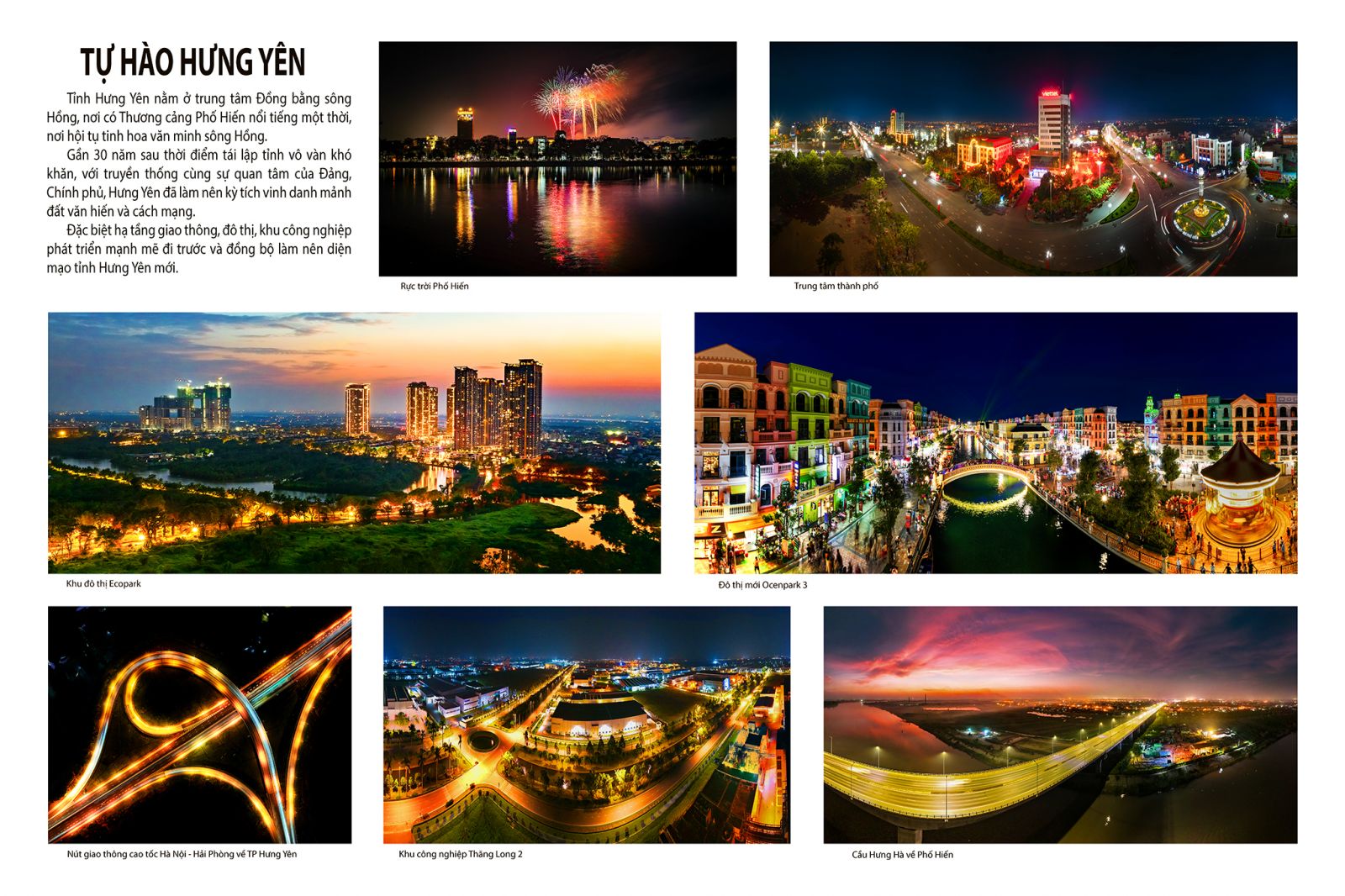
Infrastructure such as electricity, roads, schools, stations are invested, built and upgraded in order to boost socio-economic development in the locality, facilitate and encourage investments in the district. Currently, the district is investing in building infrastructure, increasing accumulations, taking advantage of all capital investment in the area. The roads managed by the province and district continue to be upgraded and repaired with the amount of tens of billions of VND by the state and people's contributions. Through propaganda activities to raise awareness of the community in building public works under the motto of the state and the people doing together, people have voluntarily contributed money and labor force to build roads and other welfare facilities, making a positive contribution to the rural appearance of Van Giang. Many fields in the industry have been developed on a large and modern scale to create jobs for thousands of local and neighboring workers. The industrial production value of industry and handicraft in 2015 is VND 1,517 billion, of which the estimated industry value is VND804 billion and that of handicraft is VND 712 billion.
The enterprises are not only directly getting involved in production and business activities, but also actively participate in many social activities such as charitable humanitarian funds, study encouragement fund, humanitarian blood donation, literary work restoration, charity houses for beneficiaries.
Commercial and service sector in the district develops rapidly, contributing significantly to economic growth and serving the people's life. Trade and services are strongly growing. Goods are diversified in both quantity and types which timely meets the market demand, especially in Hanoi and other neighboring provinces. Besides, the diversification of economic sectors has also been promoted to make use of advantages of the locality.
In order to boost up economy and take advantages of effectiveness of natural resources in combination with ecological environment protection, all levels of the authority have regularly informed people about ecological environment protection and achievements in science and technology applied to grown clean products with high economic value. Investment projects all meet the standards in waste treatment. Many residential areas have, together with all levels, implemented the environment protection.
The defined policy: Education is at the top national policy. A wealthy district is not a strong district if the educational level is low. Since then, the district has guided motto of education focus, which promotes the tradition of learning in Van Giang, the socialization of education, and mobilizes the contribution of the whole society into the education. By 2016, the district has 26 national standard schools. Thanks to the intensive investment in facilities, and enthusiasm of educators, the quality of education in the district has been gradually improved to become the spotlight in the whole province.
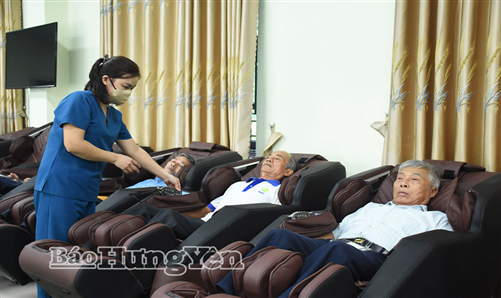
Together with education and training of new people, people's health care, and family-children program have made remarkable progress. The instructions is fostering and promoting human factor as a driving force and as a goal of development. The district step by step improves the quality of people's life.
To reach those goals, the network of health facilities must be improved. Medical staff is gradually skilled at professional quality. By 2016, 11out of 11 health stations have medical doctors qualified in national medical standards. Van Giang hospital was properly built high-rise with modern medical equipment which strengthens the quality of primary care, medical examination and treatment. Particularly, Phuc Lam International General Hospital in the district has played a significant role in taking care of residents. In 2016, the whole district has 70 out of 79 cultural villages, reaching 88.6% of the total number of villages, with over 24 thousand families recognized as cultural home. The information and propaganda has made many innovations in order to timely bring the policies and laws of the Party and State to people. Thanks to attention of the Party Committee and District People's Committee, the district radio is upgraded with necessary technical equipment to ensure proper operation. There are many local stations equipped with modern wireless radio systems for timely communication with people in the fastest and most effective way. Movements, activities of gratitude, humanitarian charity have been further developed, supported by a large number of people, contributing significantly to the implementation of social policies of the Party and State
Promoting the tradition of heroic Van Giang in proportion with economic, cultural and social development, Van Giang always pay much attention in implementing the Party's instructions, resolutions and policies on defense and security. Van Giang performs recruitment and call for citizens to join the army, which assure the principles on quality, democracy and law.
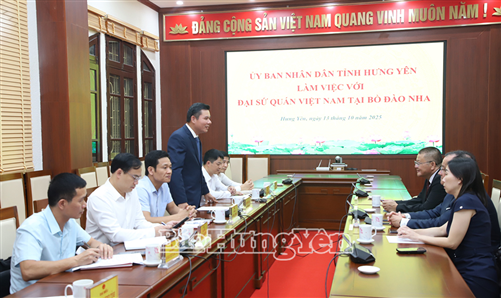
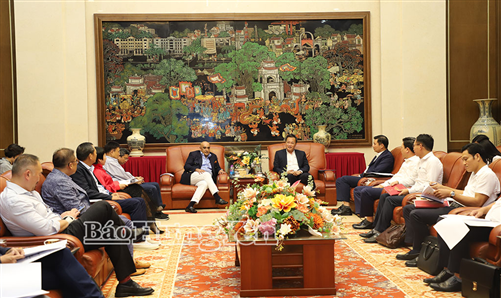
Achievements are due to leadership of the Party committees, which are directly supported by the Party Committee of Van Giang district, central agencies, the provincial Party Committee, People's Council, People's Committee, departments as well as the encouragement full of comrade spirit of people, neighboring cities, people living in Van Giang district and Van Giang people working in all regions of the country.
Especially, the sense of independence and self-reliance, strengths of the entire political system from district to smaller units, the consensus of party members and people in the district is the most vivid evidence for us to have more confidence, energy and successfully implement the objectives and tasks set by the 24th Party Congress.
6. Historic relics and festivals
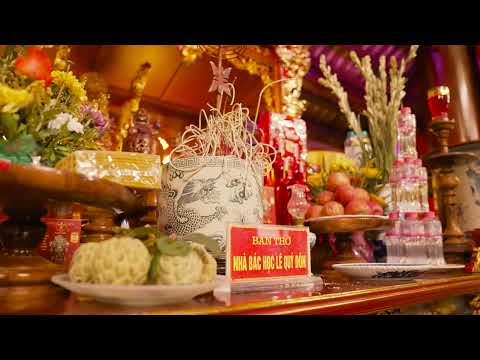
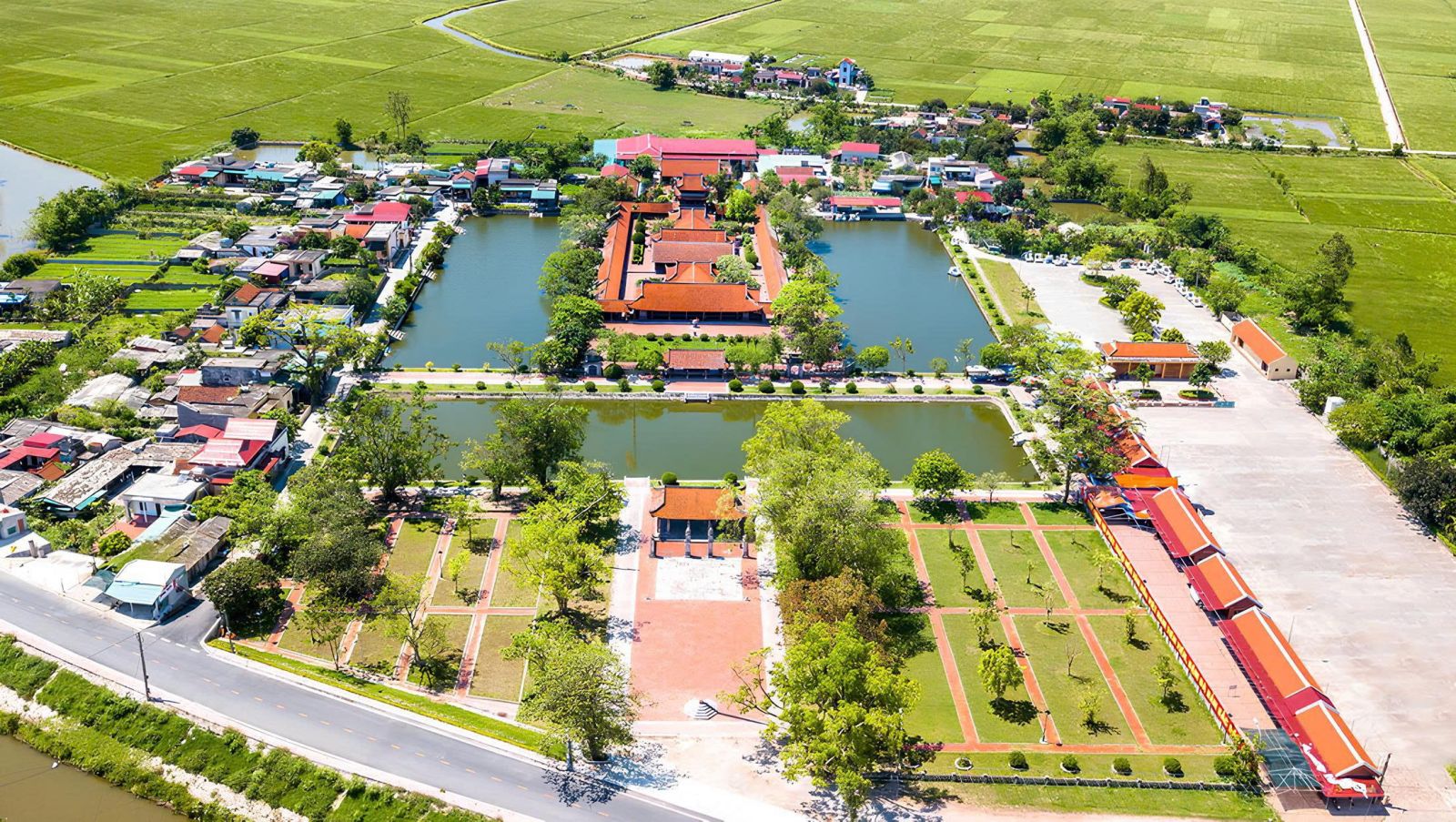
In Van Giang district, there are 31 monuments, in which 16 are classified in National level such as Me So pagoda which was built in Le dynasty with beautiful engravings. The pagoda still preserves the system of statues of the rich, in which the typical one is the Quan Am statue having a thousand eyes and a thousand hands.
This is a beautiful wooden sculpture carrying high artistic value, which is rare in our country. Da Nguu Palace, the hundred-column communal house, is a symbol of architectural and sculptural art. Trieu Da communal house carries the architectural style with an area of about 13,000 m².
.jpg)

.jpg)
.jpg)