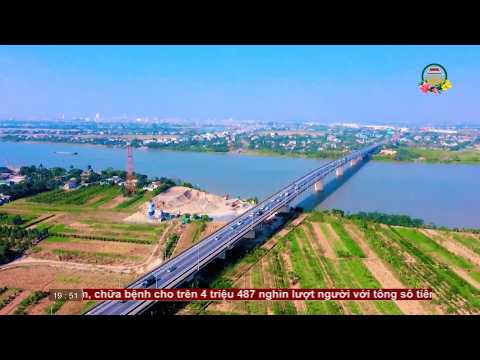
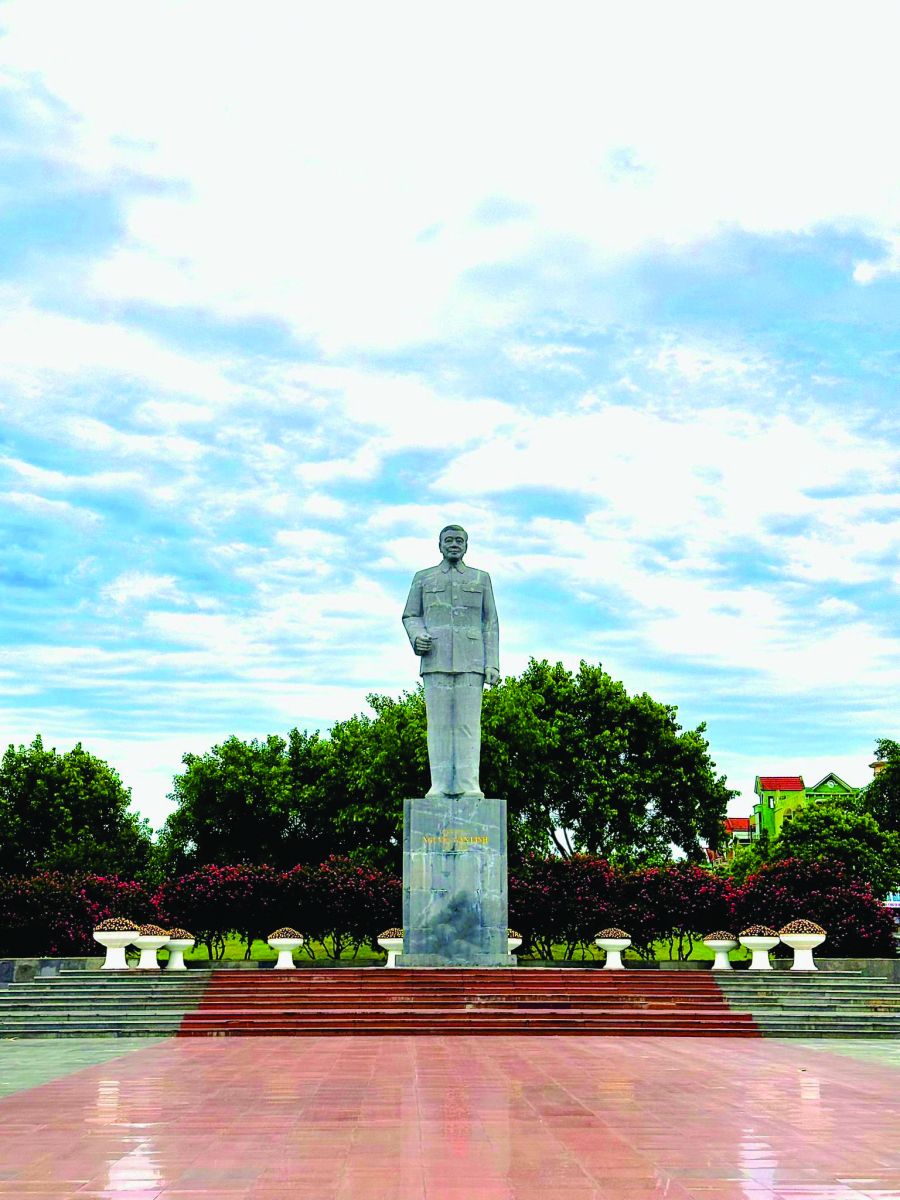
1. Location Located in the east of the province. The North borders with My Hao, Yen My, the South borders with Phu Cu, The East borders with Hai Duong, the West borders with Kim Dong, Khoai Chau district ...
2. Natural condition
Terrain and climate
Terrain: An Thi is located in the low land of Hung Yen Province, the terrain is lower from the northwest to the southeast, the low elevation of the land is not even, causing difficulties for irrigation.
Climate: An Thi is located in the tropical monsoon climate, there are four distinct seasons everyyear; the weather is dry in the winter, wet at the end of the year; the summer is hot and humid. The average rainfall ranges from 1.400 to 1.500mm; the rainy season lasts from May to October. The dry season is from November to April next year which is cold and drizzled.
Hydrological
An Thi has an extensive system of rivers, which is not only for irrigation but also for transportation. In addition, the district also has an abundant source of underground water to meet the needs of industrial and urban development.
3. History
Together with the changes of history, An Thi has changed the administrative boundaries as well as its name. However, An Thi always promote the tradition of patriotism, hard work, creativity, to build a more prosperous country.
An Thi has been employed since ancient times. After many splits and mergers, on January 27, 1996, implementing the Government's Decree No. 05 / ND-CP on the adjustment of administrative boundaries, Kim Thi district was divided into two districts: An Thi and Kim Dong. An Thi was officially re-established then
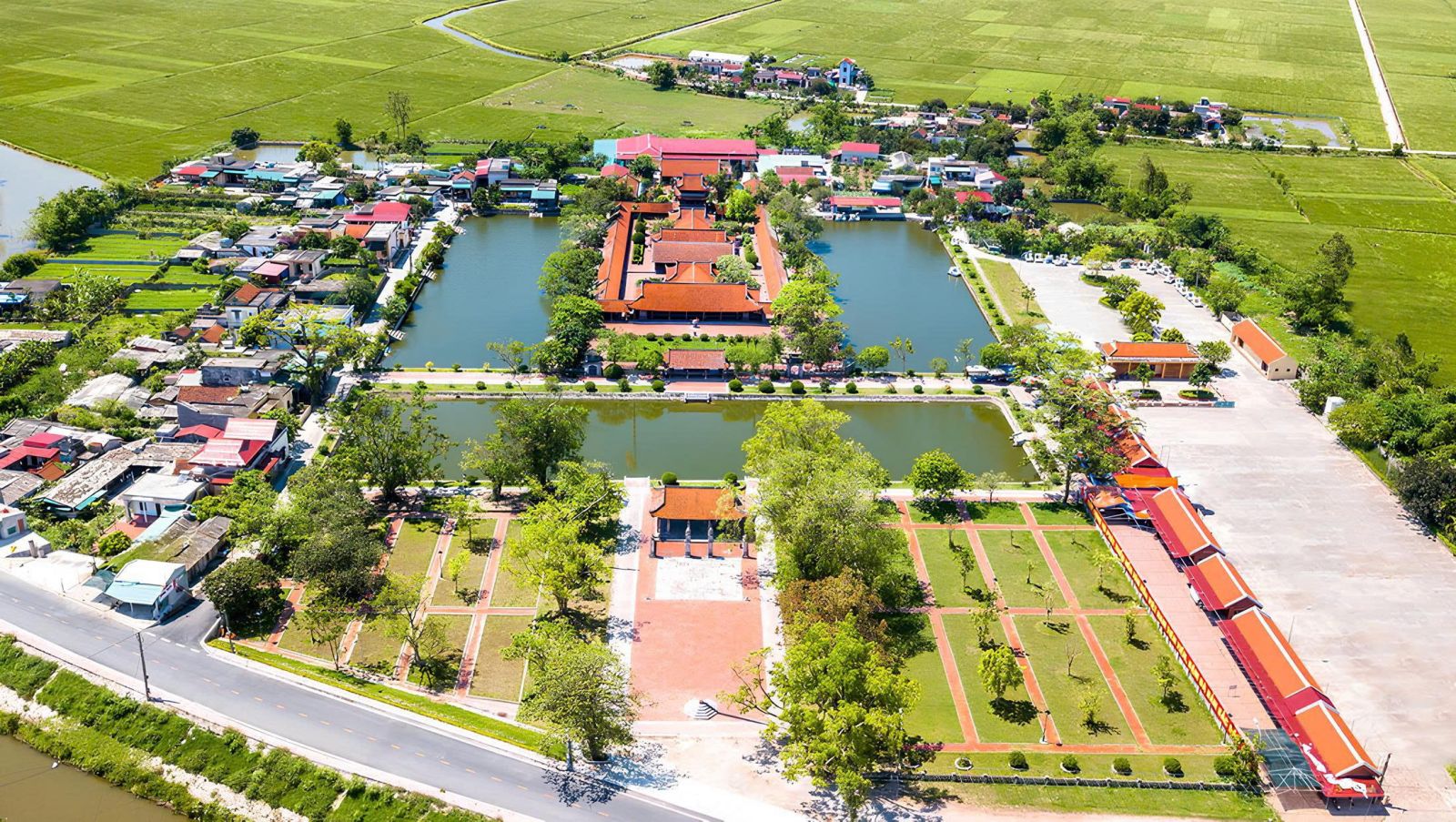
An Thi has many scenic spots and ancient relics, such as temples, pagodas and temples built in the 18th century. Some of them were built from Ly, Tran dynasty, with ancient architecture and elaborate carving. It is also known for its famous literature tradition. There are talents and brilliant characters which are recalled today.
From 1075 to 1919, An Thi had 42 Ph.Ds, namely Hoang Cong Chi, who had been the doctorate in Le Canh Tri dynasty (1663 - 1671), Hoang Dinh Chinh, Cat Phung, Nguyen Nho Tong who made great contributions to their homeland and country in many fields. Particularly, the 12-year-old Nguyen Trung Ngan, led the troops to the North and South, was the mandrin in five generations ofTran Kings. He made great contributions to the history of the country
In the early years of the twentieth century, An Thi was proud of being a place where many talented people were represented. Pham Huy Thong, a poet and scientist, was the former director of the Vietnam Institute of History. At present, many An Thi people have become professors, doctors, engineers, doctors and senior military officers.
Throughout history, the spirit of patriotism, anti-foreign invasion of An Thi people have been molded into precious traditions. From the dawn of history, Huong Thao summoned An Thi people to join the revolution of Hai Ba Trung. Undergoing feudal dynasties, the brilliant deeds of general Pham Ngu Lao (in Tran Dynasty), Lanh Tien, Doc Khuy, Lanh Tru in Bai Say revolution (in late XIX century) still shine in the heroic history of the nation.
Thanks to the party's leadership, the anti-colonialist movements in An Thi became intensified. In July 1941, a meeting was held in Ninh Thon - Cam Ninh - An Thi to set up the first interim provincial committee of Hung Yen province, opening a new turning point in the revolutionary struggle of the whole province. During two wars against the French colonialists and American imperialists, tens of thousands of An Thi youths voluntarily joined the battle, of which 3,072 people died across the battlefields. The party and people of An Thi district were honored to be awarded the title of Hero of the People's Armed Forces by the Party and the State.
Following the tradition of ancestors, the Party committees, authorities and people of An Thi district are now working hard together, striving to make use of their potentials and advantages to raise the living standards step by step, create new cultural values and build more beautiful rich homeland.
4. Administrative units
There are 21 adminsitrative units, including 20 communes and 1 town with the total area of 128,22 km2:
An Thi town has the administrative area of 7.70 km2
Phu Ung commune has the administrative area of 8.34 km2
Bac Son commune has the administrative area of 7.75 km2
Bai Say commune has the administrative area of 7.10 km2
Dao Duong commune has the administrative area of 6.19 km2
Tan Phuc commune has the administrative area of 4.63 km2
Van Du commune has the administrative area of 5.54 km2
Quang Vinh commune has the administrative area of 5.52 km2
Xuan truc commune has the administrative area of 7.75 km2
Hoang Hoa Tham commune has the administrative area of 6.42 km2
Quang Lang commune has the administrative area of 6.76 km2
Van Nhue commune has the administrative area of 5.72 km2
Dang Le commune has the administrative area of 6.07 km2
Cam Ninh commune has the administrative area of 4.48 km2
Nguyen Trai commune has the administrative area of 7.21 km2
Da Loc commune has the administrative area of 5.78 km2
Ho Tung Mau commune has the administrative area of 6.77 km2
Tien Phong commune has the administrative area of 4.7 km2
Hong Van commune has the administrative area of 4.42 km2
Hong Quang commune has the administrative area of 3.46 km2
Ha Le commune has the administrative area of 5.71 km2
5. Society and economy
Agriculture:
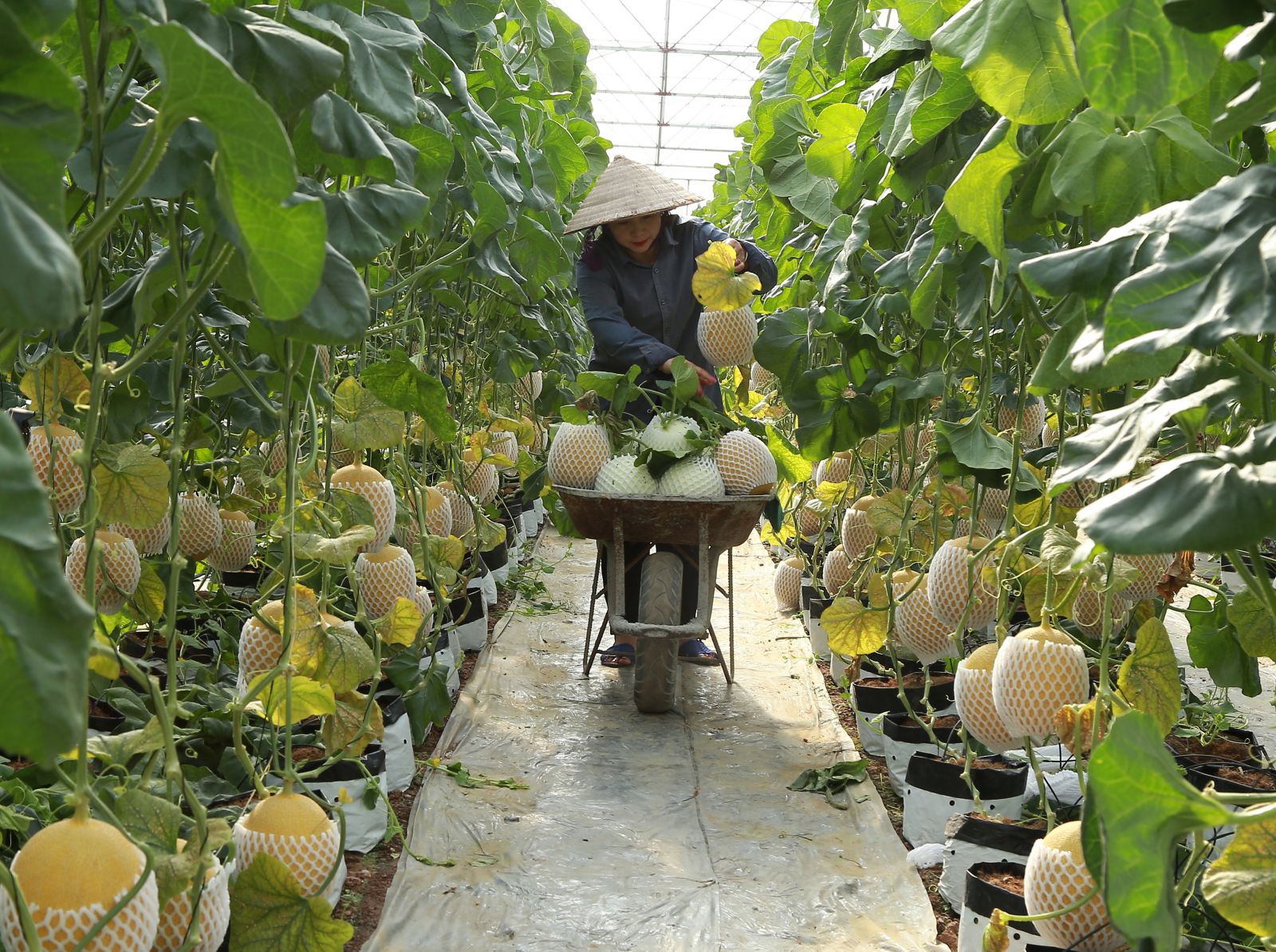
Up to the re-establishment, An Thi was still an agricultural district, the land for agricultural production was mostly the low land areas, often flooded, penetrated by acid and includes a lot of alkaline soil. Thus, the agriculture usually produces only one crop per year and is very dependent on nature. The application of scientific and technical advances to production as well as the selection of varieties of plants and animals adapted to unfavorable conditions is a serious problem.
The Party committees and An Thi government have determined that in order for agriculture to develop rapidly and sustainably, it is necessary to change the old production mindset among people. In particular, the district focuses on the development of conversion models of plants and animals and improvement of mixed gardens, short-term crops with high economic value. Appropriate and practical directions initially gave satisfactory results. In the past few years, despite the complicated weather and epidemics, agricultural development has been relatively stable. There have been some breakthroughs in breeds, plants and animals. The structure of the industry shifted towards increasing the proportion of the livestock and aquaculture sector and gradually reducing the proportion of cultivation. In 2005, cultivation accounted for 63.6%, breeding and aquaculture proportion reached 34.4%; In 2010, cultivation accounted for 53% while that of breeding and fishery were 47%.
The implementation of industrialization and modernization in rural agriculture achieved many encouraging results. The restructuring of plant and animal breeds has brought about initial results, creating a comprehensive agricultural development in terms of total yield and product value. Keep food security at 750 kg per person per year. Raising the value of one hectare of cultivated land from VND 36.5 million in 2005 to VND 59 million in 2010, the district has 96.9 hectares with the annual income of VND 50-100 million per hectare. Developing the farm economy model, the whole district has 98 farms meeting the criteria while the plan is 200 farms. In 2006, 46% of the area was planted, up 65% compared to 2010 (the plan is 65%). Leanization pig and crossbred cows were developed to increase yield and value. Many programs have been implemented effectively such as rice seed production program.
To step by step diversify occupations in order to attract labor resources in rural areas, industrial production establishments, small-scale handicraft industry are using on-the-spot materials and labors. The rural economy has been flourishing and rural infrastructure has been significantly improved, contributing positively to raising the incomes and living standards of the rural population.
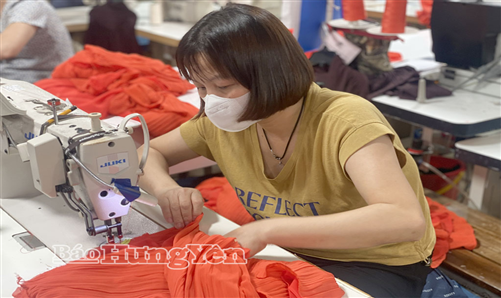
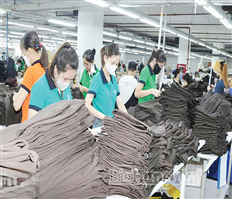
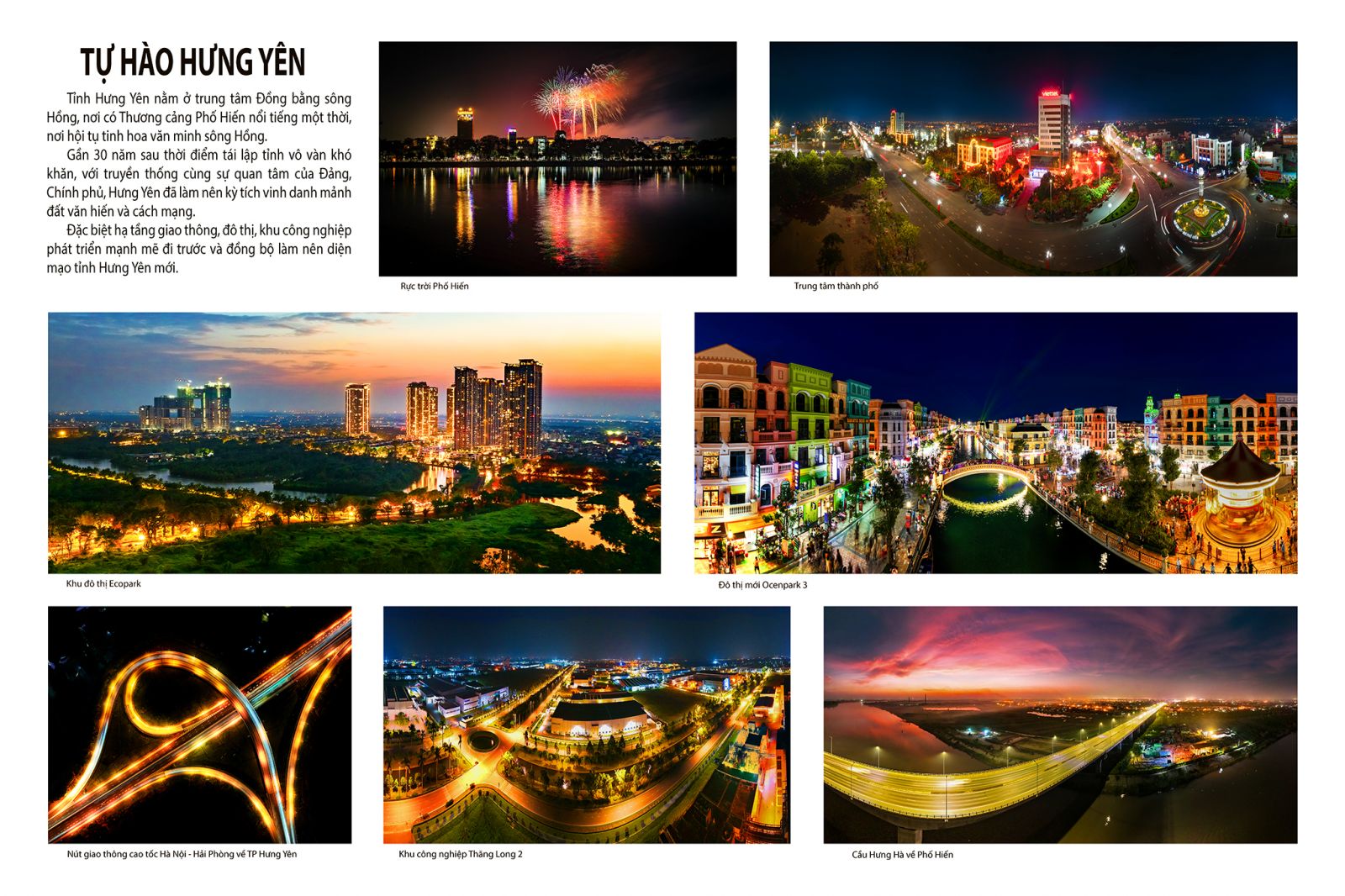
Traffic - Industry - handicrafts: Rural roads are invested, upgraded; the network of inter-commune roads, inter-village roads and roads to the fields are expanded. 22.5kms of asphalted roads, 64.3kms of concrete road are renewed in 5 years with the investment budget of nearly VND 50 billion. Regular maintenance and road repair are conducted in the district, contributing to production development, economic development and convenient transportation. Production of craft industry continues to grow, the production value increases by 11.8% on average; the average turnover is VND 93.680 million per year. Traditional industries are maintained and developed such as bamboo and rattan, garment and textile, contributing to the reduction of leisure time for rural labor and increasing income for farmers.
Services: Together with the development of the manufacturing industry, the service sector in the past years also has high growth rate, 15% per year on average, various types of commercial services are developed to serve production and life of the people. Total annual retail sales reached VND 855 billion; the growth rate is 17.7% per year on average. The district also expands the network of goods exchange and purchase so as to supply materials, goods and farm products to the market. Annual output is 72,000 tons. Passenger transportation increased in number and quality, especially the inter-provincial bus Hung Yen-Hai Duong has facilitates travelling. Every year, the number of passengers is 11,000 passengers per year on average, the passenger rotation is 646,000 passengers per km. Post and telecommunication services have developed rapidly, the quality of service has been continuously improved to meet the demand of telecommunication, especially mobiles, landlines and internet services. In 2005, there will be 5 telephones per 100 people, with an goal of 24 telephones per 100 people in 2010.
7. Historical relics and festivals
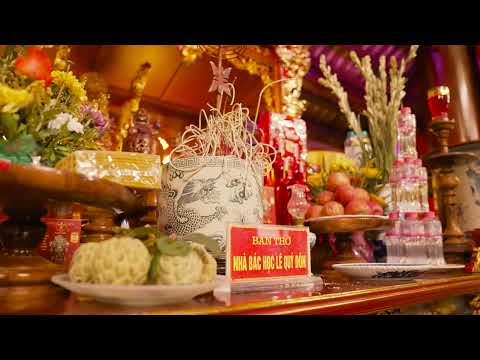
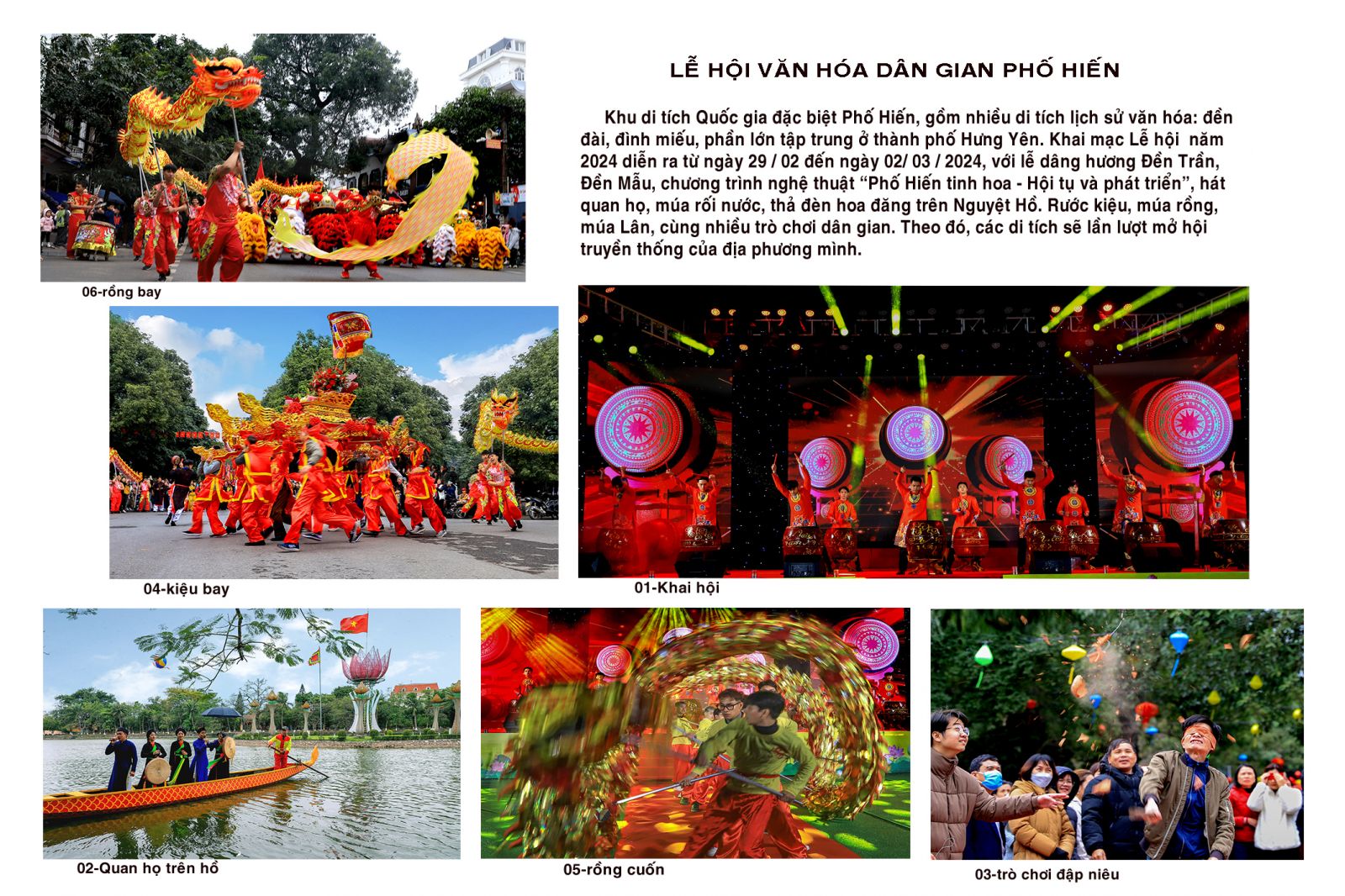
There are many historical and cultural relics in An Thi. One of the most famous ones is Phu Ung Temple relics where recalled general Pham Ngu Lao. The festival was held from January 11th to 15th, which attracts many visitors.
.jpg)

.jpg)
.jpg)